A new approach to Parkinson’s Disease

Exploring nerve stimulation as a potential treatment.
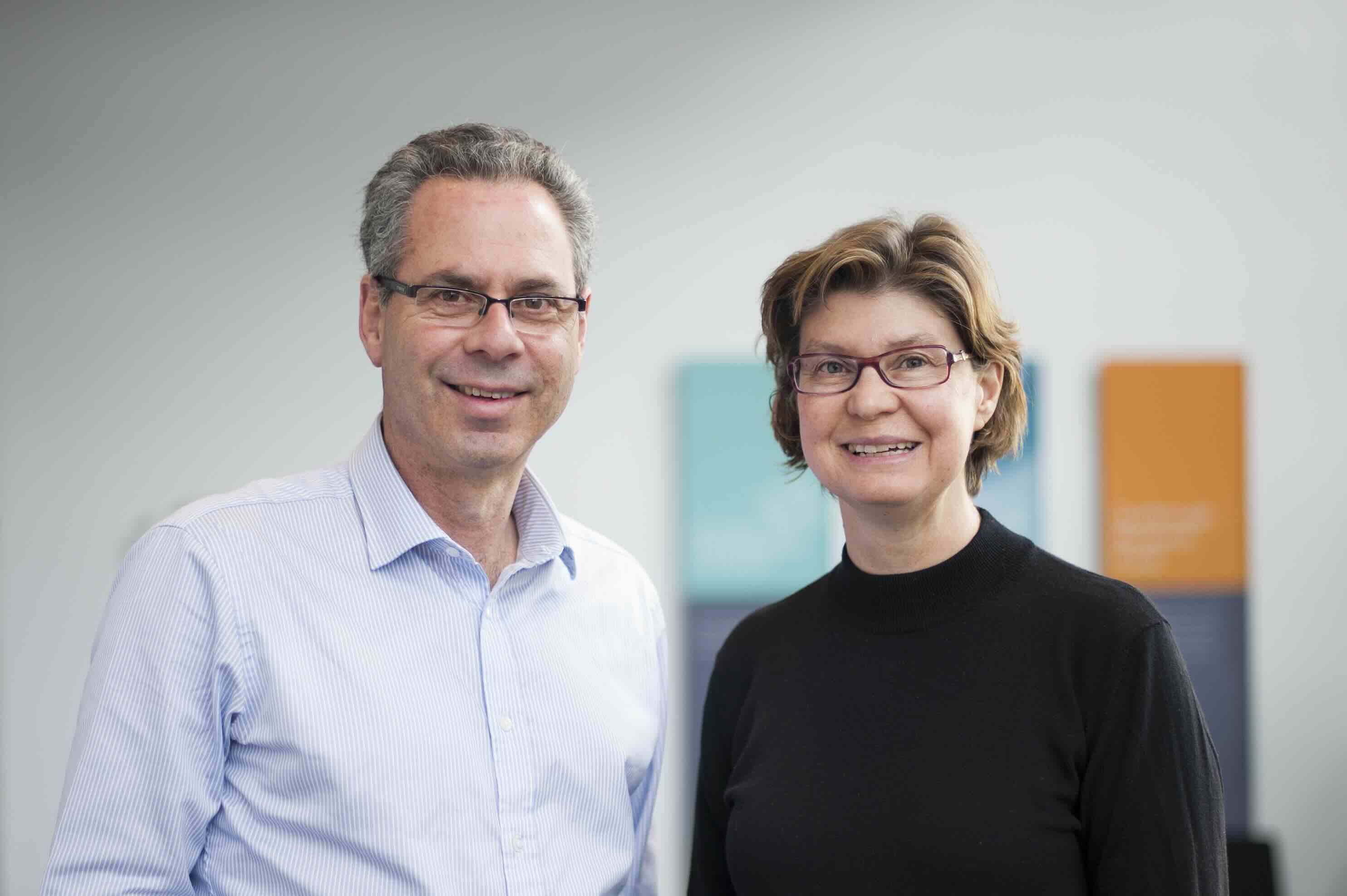
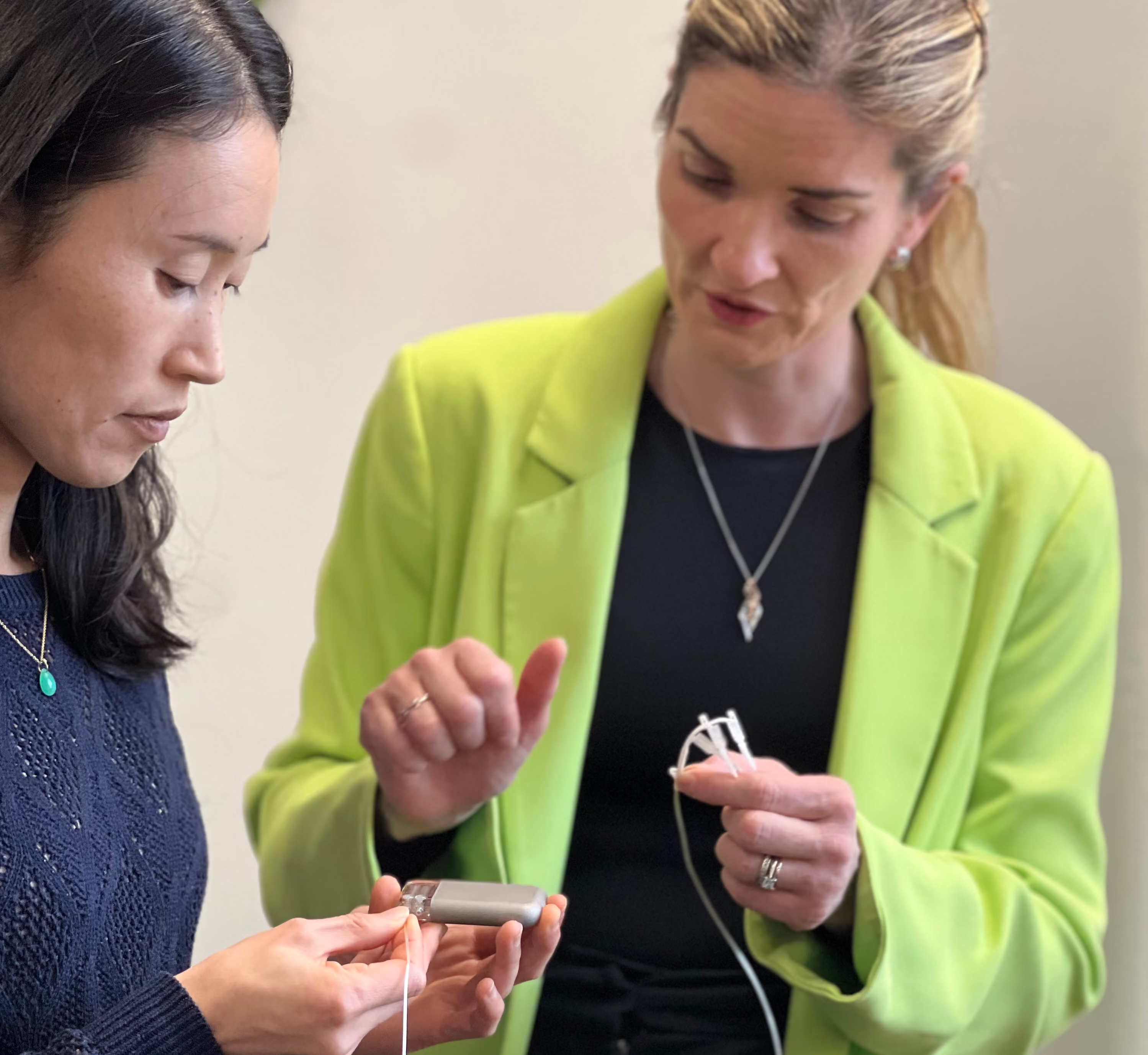
Bionics Institute researchers A/Prof Sophie Payne and Dr Tomoko Hyakumura.

A new approach to Parkinson’s Disease

July 1, 2026
Exploring nerve stimulation as a potential treatment.
Read Transcript

The challenge

Parkinson’s Disease affects more than 150,000 Australians and is the fastest-growing neurological condition in the world. Parkinson’s Disease is a progressive neurological condition that affects movement, memory, energy, and independence. It's caused by the loss of neurons in key areas of the brain. While treatments are available, they do not stop the disease from progressing and can often have significant side effects.

While most common in older age, Parkinson’s can affect people as young as 40, with the disease causing life-changing disability. Researchers at the Bionics Institute are investigating whether abdominal vagus nerve stimulation (abVNS) could offer a new approach to treat the condition. Studies have shown that vagus nerve stimulation could relieve symptoms while also slowing and preventing neuronal loss that causes the disease.

What is vagus nerve stimulation?

The vagus nerve runs from the brain to the gut and controls many processes in the body, including the body’s natural anti-inflammatory response. It also connects to key areas of the brain involved in memory, learning and other behavioural responses linked to neurodegenerative diseases such as Parkinson’s Disease. Vagus nerve stimulation at the neck is an approved treatment for conditions such as epilepsy. However, stimulation at this level can sometimes have serious effects on heart rate and breathing, which limits its use and dosing.

To overcome this limitation, Bionics Institute researchers have developed a device that stimulates the vagus nerve at the abdominal level, and they have demonstrated that stimulating the vagus nerve in the abdomen may achieve therapeutic effects more safely than stimulation at the neck. Bionics Institute researchers now aim to generate proof-of-concept evidence that abVNS can reduce motor symptoms and neuronal loss in a Parkinson's disease model, supporting future clinical trials.

The role of philanthropy

Hearts & Minds funding, as nominated by Cooper Investors, will be critical in enabling this research to progress. It will allow researchers to focus fully on the project, build momentum, and plan over multiple years with confidence. The funding has already helped attract additional support from private donors who recognise the potential impact of this research. The team is now actively testing whether this approach can make a meaningful difference.

They have finalised the abVNS testing plan, manufactured implants, and begun the first animal experiments, while also expanding behavioural assessments and developing automated methods to measure changes in the brain. Early results suggest that abdominal vagus nerve stimulation can activate brain pathways linked to slowing and preventing neurodegeneration. The next step is to understand whether this approach can also reduce motor symptoms in Parkinson’s Disease.

What this could unlock

If successful, this work could lead to early clinical trials in people living with Parkinson’s Disease. Longer term, it could support the development of a new kind of treatment for people around the world.

This project is supported by Hearts & Minds, as nominated by Core Fund Manager, Cooper Investors. For further information and updates, visit Bionics Institute. This content was last updated in July 2026.

The challenge

Parkinson’s Disease affects more than 150,000 Australians and is the fastest-growing neurological condition in the world. Parkinson’s Disease is a progressive neurological condition that affects movement, memory, energy, and independence. It's caused by the loss of neurons in key areas of the brain. While treatments are available, they do not stop the disease from progressing and can often have significant side effects.

While most common in older age, Parkinson’s can affect people as young as 40, with the disease causing life-changing disability. Researchers at the Bionics Institute are investigating whether abdominal vagus nerve stimulation (abVNS) could offer a new approach to treat the condition. Studies have shown that vagus nerve stimulation could relieve symptoms while also slowing and preventing neuronal loss that causes the disease.

What is vagus nerve stimulation?

The vagus nerve runs from the brain to the gut and controls many processes in the body, including the body’s natural anti-inflammatory response. It also connects to key areas of the brain involved in memory, learning and other behavioural responses linked to neurodegenerative diseases such as Parkinson’s Disease. Vagus nerve stimulation at the neck is an approved treatment for conditions such as epilepsy. However, stimulation at this level can sometimes have serious effects on heart rate and breathing, which limits its use and dosing.

To overcome this limitation, Bionics Institute researchers have developed a device that stimulates the vagus nerve at the abdominal level, and they have demonstrated that stimulating the vagus nerve in the abdomen may achieve therapeutic effects more safely than stimulation at the neck. Bionics Institute researchers now aim to generate proof-of-concept evidence that abVNS can reduce motor symptoms and neuronal loss in a Parkinson's disease model, supporting future clinical trials.

The role of philanthropy

Hearts & Minds funding, as nominated by Cooper Investors, will be critical in enabling this research to progress. It will allow researchers to focus fully on the project, build momentum, and plan over multiple years with confidence. The funding has already helped attract additional support from private donors who recognise the potential impact of this research. The team is now actively testing whether this approach can make a meaningful difference.

They have finalised the abVNS testing plan, manufactured implants, and begun the first animal experiments, while also expanding behavioural assessments and developing automated methods to measure changes in the brain. Early results suggest that abdominal vagus nerve stimulation can activate brain pathways linked to slowing and preventing neurodegeneration. The next step is to understand whether this approach can also reduce motor symptoms in Parkinson’s Disease.

What this could unlock

If successful, this work could lead to early clinical trials in people living with Parkinson’s Disease. Longer term, it could support the development of a new kind of treatment for people around the world.

This project is supported by Hearts & Minds, as nominated by Core Fund Manager, Cooper Investors. For further information and updates, visit Bionics Institute. This content was last updated in July 2026.

Disclaimer: This material has been prepared by Hearts & Minds, published on July 1, 2026. HM1 is not responsible for the content of linked websites or content prepared by third party. The inclusion of these links and third-party content does not in any way imply any form of endorsement by HM1 of the products or services provided by persons or organisations who are responsible for the linked websites and third-party content. This information is for general information only and does not consider the objectives, financial situation or needs of any person. Before making an investment decision, you should read the relevant disclosure document (if appropriate) and seek professional advice to determine whether the investment and information is suitable for you.

facebook
linkedin
All
Thank you! Your submission has been received!
Oops! Something went wrong while submitting the form.
February 14, 2023

Bringing Equity and Diversity to Genomic Medicine

Professor Daniel MacArthur, Director of the Centre for Population Genomics has big goals to bring equity and diversity into genomic medicine in Australia, something surprisingly inadequate presently.

Read More
September 6, 2022

VCCRI: 'Heart in a Box'

An Australian method of preserving donated hearts has boosted the number of successful transplants across the world, with new research demonstrating similar survival rates to traditional transplants.

Read More
February 24, 2022

Impact Video: Cerebral Palsy Alliance

This video features Professor Nadia Badawi AM, Professor Alistair McEwan, Paul Rayson and others discussing the incredible impact our partnership will have.

Read More
February 24, 2022

New Partnership with Cerebral Palsy Alliance

We’re excited to announce a new partnership with the Cerebral Palsy Alliance and are proud to be supporting this important research.

Read More
August 3, 2021

Australian breakthrough to stop heart arteries from clogging

Victor Chang scientist has led landmark research that has the potential to stop arteries of the heart from becoming clogged by targeting a particular gene.

Read More
October 12, 2020

Beneficiary Profile: Victor Chang

Cardiovascular disease is the number one cause of death globally and costs the Australian economy $12 billion each year. Every 12 minutes, one Australian dies from the disease. This is why the Victor Chang Cardiac Research Institute is dedicated to finding cures through their world class research.

Read More
September 23, 2020

Silent wave' of brain damage could follow pandemic

Australia urgently needs to prepare for a "silent wave" of COVID-19, which appears to be taking the form of long-term neurological side effects following infection with the virus.

Read More
September 8, 2020

Beneficiary Profile: Black Dog Institute

1 in 5 of us will experience symptoms of mental illness in any given year. In Australia that’s around 5 million people. And roughly 60% of these people won’t seek help. Learn what Black Dog is doing to create a mentally healthier world for everyone.

Read More
August 10, 2020

Beneficiary Profile: RPA Green Light

Emergency departments are the frontline of health care, with one in seven Australians seeking help from a hospital emergency department every year. Our medical staff depend on research findings to help inform their responses to urgent patient needs.

Read More
July 7, 2020

Beneficiary Profile: The Florey

Every year, 4.7 million Australians are diagnosed with one of the conditions that the Florey study. That's why they believe everyone has a stake in medical research.

Read More
June 9, 2020

Beneficiary Profile: Orygen

1 in 5 young people will have experienced a depressive episode by the time they are 18. With thanks to Cooper Investors and Hearts & Minds, we have been able to put youth mental health on the global agenda and progress our work in developing a global mental health framework.

Read More
November 22, 2019

Impact Video Series: Sydney Children's Hospital Foundation

We interviewed leading individuals from our beneficiaries to discuss the importance of medical research, their recent breakthroughs and the vital need for private funding.

Read More
May 29, 2019

Winning Hearts and Minds

Mark Nelson of Caledonia discusses his connection with the Florey Institute, one of our beneficiaries, and why he's involved with Hearts and Minds.

Read More