A new path forward for women living with period and pelvic pain

Uncovering the biology driving debilitating symptoms

A new path forward for women living with period and pelvic pain

July 1, 2026
Uncovering the biology driving debilitating symptoms
Read Transcript

The challenge

Pain associated with menstruation and conditions such as endometriosis is highly prevalent and can significantly affect quality of life, limiting participation in physical, educational and social activities. 

Among adolescents, up to 90% report experiencing period pain, and around 20% miss out on activities as a result. In adulthood, around 25% of women are reported to experience chronic pelvic pain – defined as pain lasting more than six months. 

While hormonal and other medications can provide relief for some, there remains a group of women whose pain is extremely difficult to manage. Researchers at Murdoch Children's Research Institute are seeking to better understand why.

The research

Researchers are investigating the role that inflammation may play in period and pelvic pain. By comparing inflammatory markers in women with and without pain across different stages of the menstrual cycle, the team hopes to identify the biological processes that drive period and pelvic pain. 

Importantly, this type of exploration has successfully led to novel treatments for pain associated with migraines and sickle cell disease – by identifying the inflammatory marker that is driving the pain and then repurposing known drugs for new indications.

The role of philanthropy

By supporting researchers to explore new approaches to understanding the biological drivers of period and pelvic pain, philanthropy is helping unlock the potential for more targeted treatment options for women whose symptoms remain difficult to manage.

What this could unlock

Hearts & Minds funding, as nominated by Munro Partners, has enabled this research to commence. If this research succeeds in identifying the inflammatory processes driving pain, clinicians may one day be able to identify women who could benefit from targeted treatments much earlier in their care.

The long-term goal is to offer women an alternative approach to managing period and pelvic pain, guided by a better understanding of the biological processes driving their symptoms.

Funding support from Hearts & Minds, as nominated by Core Fund Manager, Munro Partners. This content was last updated in July 2026. For further information, visit Murdoch Children's Research Institute.
The challenge

Pain associated with menstruation and conditions such as endometriosis is highly prevalent and can significantly affect quality of life, limiting participation in physical, educational and social activities. 

Among adolescents, up to 90% report experiencing period pain, and around 20% miss out on activities as a result. In adulthood, around 25% of women are reported to experience chronic pelvic pain – defined as pain lasting more than six months. 

While hormonal and other medications can provide relief for some, there remains a group of women whose pain is extremely difficult to manage. Researchers at Murdoch Children's Research Institute are seeking to better understand why.

The research

Researchers are investigating the role that inflammation may play in period and pelvic pain. By comparing inflammatory markers in women with and without pain across different stages of the menstrual cycle, the team hopes to identify the biological processes that drive period and pelvic pain. 

Importantly, this type of exploration has successfully led to novel treatments for pain associated with migraines and sickle cell disease – by identifying the inflammatory marker that is driving the pain and then repurposing known drugs for new indications.

The role of philanthropy

By supporting researchers to explore new approaches to understanding the biological drivers of period and pelvic pain, philanthropy is helping unlock the potential for more targeted treatment options for women whose symptoms remain difficult to manage.

What this could unlock

Hearts & Minds funding, as nominated by Munro Partners, has enabled this research to commence. If this research succeeds in identifying the inflammatory processes driving pain, clinicians may one day be able to identify women who could benefit from targeted treatments much earlier in their care.

The long-term goal is to offer women an alternative approach to managing period and pelvic pain, guided by a better understanding of the biological processes driving their symptoms.

Funding support from Hearts & Minds, as nominated by Core Fund Manager, Munro Partners. This content was last updated in July 2026. For further information, visit Murdoch Children's Research Institute.

Disclaimer: This material has been prepared by Hearts & Minds, published on July 1, 2026. HM1 is not responsible for the content of linked websites or content prepared by third party. The inclusion of these links and third-party content does not in any way imply any form of endorsement by HM1 of the products or services provided by persons or organisations who are responsible for the linked websites and third-party content. This information is for general information only and does not consider the objectives, financial situation or needs of any person. Before making an investment decision, you should read the relevant disclosure document (if appropriate) and seek professional advice to determine whether the investment and information is suitable for you.

facebook
linkedin
All
Thank you! Your submission has been received!
Oops! Something went wrong while submitting the form.
July 1, 2026

Improving care for adults with motor neuron diseases

Building better care for adults living with Motor Neuron Disease and Spinal Muscular Atrophy.

Read More
July 1, 2026

Understanding fatigue in young people with Charcot-Marie-Tooth disease

Developing a tool to improve understanding, research and care.

Read More
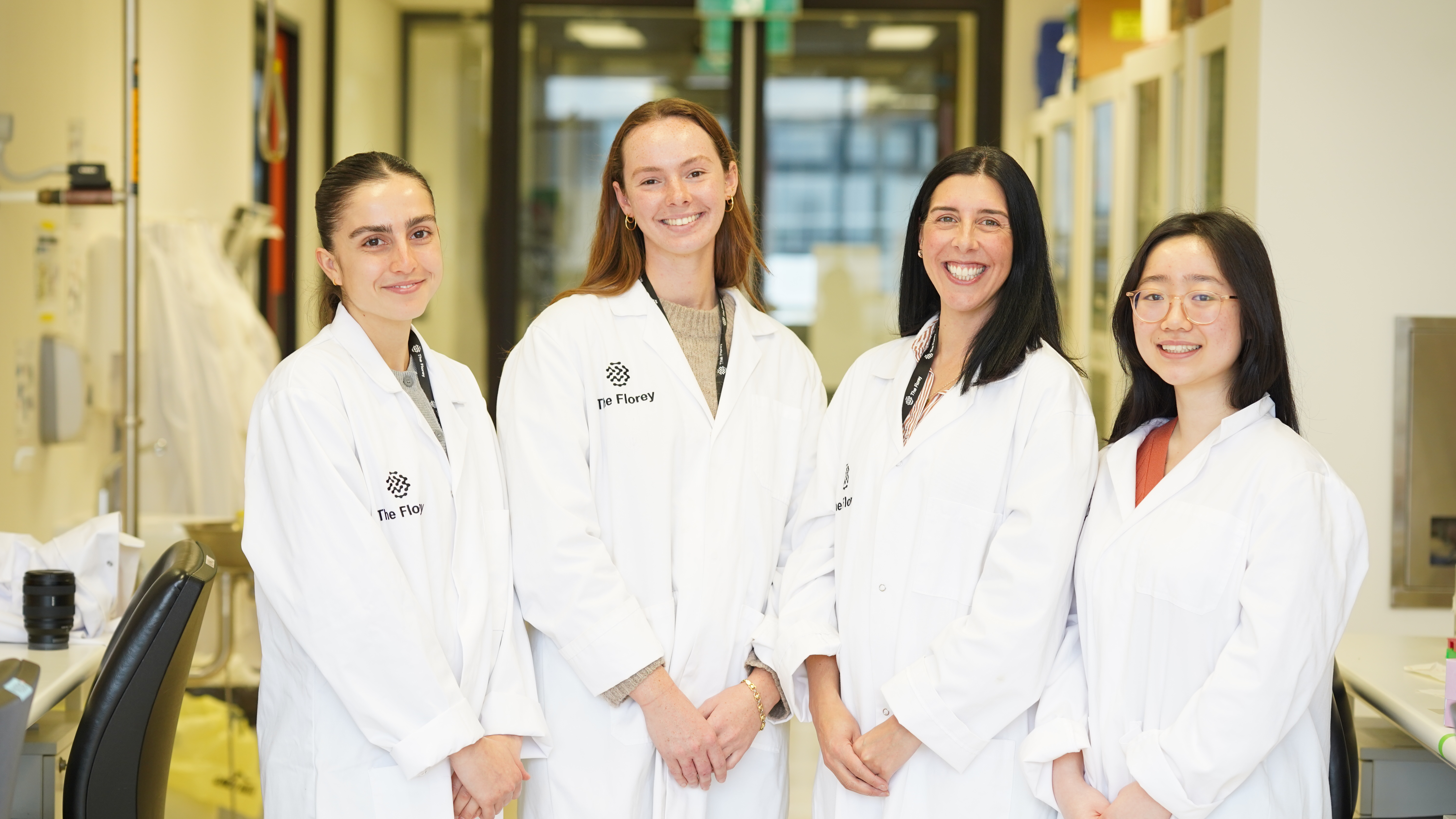
Pictured left to right: Professor Gina Ravenscroft (Perkins), Jasmine Chew, Sam Payne (CEO and Founder, Pink Elephants Support Network), and Shelby Mullin (Perkins).Pictured left to right: Professor Gina Ravenscroft (Perkins), Jasmine Chew, Sam Payne (CEO and Founder, Pink Elephants Support Network), and Shelby Mullin (Perkins).Pictured left to right: Professor Gina Ravenscroft (Perkins), Jasmine Chew, Sam Payne (CEO and Founder, Pink Elephants Support Network), and Shelby Mullin (Perkins).Pictured left to right: Professor Gina Ravenscroft (Perkins), Jasmine Chew, Sam Payne (CEO and Founder, Pink Elephants Support Network), and Shelby Mullin (Perkins).
July 1, 2026

Giving families living with rare diseases the answers they need

Supporting research to improve the diagnosis of rare genetic neuromuscular diseases and build the foundations for future treatments.

Read More
Picture: Dr Laura Grice, Lead Researcher Picture: Dr Laura Grice, Lead Researcher Picture: Dr Laura Grice, Lead Researcher Picture: Dr Laura Grice, Lead Researcher
July 1, 2026

Understanding spinal cord injury recovery

The world's first molecular map of spinal cord injury across time and injury levels

Read More
Picture: Professor Lindy Jeffree, Neurosurgeon and Chair, Brain Cancer Australia National Consortium Picture: Professor Lindy Jeffree, Neurosurgeon and Chair, Brain Cancer Australia National Consortium Picture: Professor Lindy Jeffree, Neurosurgeon and Chair, Brain Cancer Australia National Consortium Picture: Professor Lindy Jeffree, Neurosurgeon and Chair, Brain Cancer Australia National Consortium
July 1, 2026

Building the foundations for faster progress against brain cancer

Uniting researchers, clinicians and patients to accelerate research and improve patient care.

Read More
July 1, 2026

Accelerating CAR-T cell therapies for patients in need 

Bringing innovative cancer therapies closer to patients.

Read More
July 1, 2026

Supporting babies at high risk of cerebral palsy from the very beginning

Testing a family-centred early intervention program to improve outcomes for infants and support parents during the first critical months of life.

Read More
July 1, 2026

Making early cerebral palsy screening more accessible

Exploring new ways to identify babies at risk of cerebral palsy sooner and support better outcomes.

Read More
Picture: Professor Tracy Putoczki, Laboratory Head at WEHIPicture: Professor Tracy Putoczki, Laboratory Head at WEHIPicture: Professor Tracy Putoczki, Laboratory Head at WEHIPicture: Professor Tracy Putoczki, Laboratory Head at WEHI
July 1, 2026

Mapping the surface of pancreatic cancer cells

Identifying proteins on pancreatic cancer cells that could become new targets for developing future treatments.

Read More
Picture: Professor Jane Visvader and Professor Geoff Lindeman from the Breast Cancer Laboratory at WEHI Picture: Professor Jane Visvader and Professor Geoff Lindeman from the Breast Cancer Laboratory at WEHI Picture: Professor Jane Visvader and Professor Geoff Lindeman from the Breast Cancer Laboratory at WEHI Picture: Professor Jane Visvader and Professor Geoff Lindeman from the Breast Cancer Laboratory at WEHI
July 1, 2026

Understanding how breast cancer begins

Tracking the earliest changes in BRCA mutation carriers to help prevent cancer before it starts.

Read More
Picture: Professor Daniel MacArthurPicture: Professor Daniel MacArthurPicture: Professor Daniel MacArthurPicture: Professor Daniel MacArthur
July 1, 2026

Closing the gap in rare disease diagnosis for Australian families

Building better genomic tools and more representative data to help families receive answers sooner.

Read More
PICTURE: A/Prof Rebecca Nisbet and her teamPICTURE: A/Prof Rebecca Nisbet and her teamPICTURE: A/Prof Rebecca Nisbet and her teamPICTURE: A/Prof Rebecca Nisbet and her team
July 1, 2026

Developing a new mRNA vaccine for Alzheimer’s disease

Using innovative technology to explore new possibilities for treatment and prevention.

Read More
Researchers are growing human “mini-brains” in the laboratory and introducing immune cells from people living with MS. Researchers are growing human “mini-brains” in the laboratory and introducing immune cells from people living with MS. Researchers are growing human “mini-brains” in the laboratory and introducing immune cells from people living with MS. Researchers are growing human “mini-brains” in the laboratory and introducing immune cells from people living with MS.
July 1, 2026

Unlocking new approaches for Multiple Sclerosis

Understanding why the brain fails to repair itself and exploring new treatment possibilities.

Read More
December 5, 2023

Prof Daniel MacArthur | 2023 Sohn Hearts & Minds Conference

At the 2023 Sohn Hearts & Minds Conference, we heard from Prof Daniel MacArthur, the Director of the Centre for Population Genomics.

Read More
December 5, 2023

Prof Michelle Simmons AO | Sohn Hearts & Minds Conference

At this year's Sohn Hearts & Minds Conference, we heard from Prof Michelle Simmons, the CEO and Founder of Silicon Quantum Computing.

Read More