Developing a new mRNA vaccine for Alzheimer’s disease

Using innovative technology to explore new possibilities for treatment and prevention.
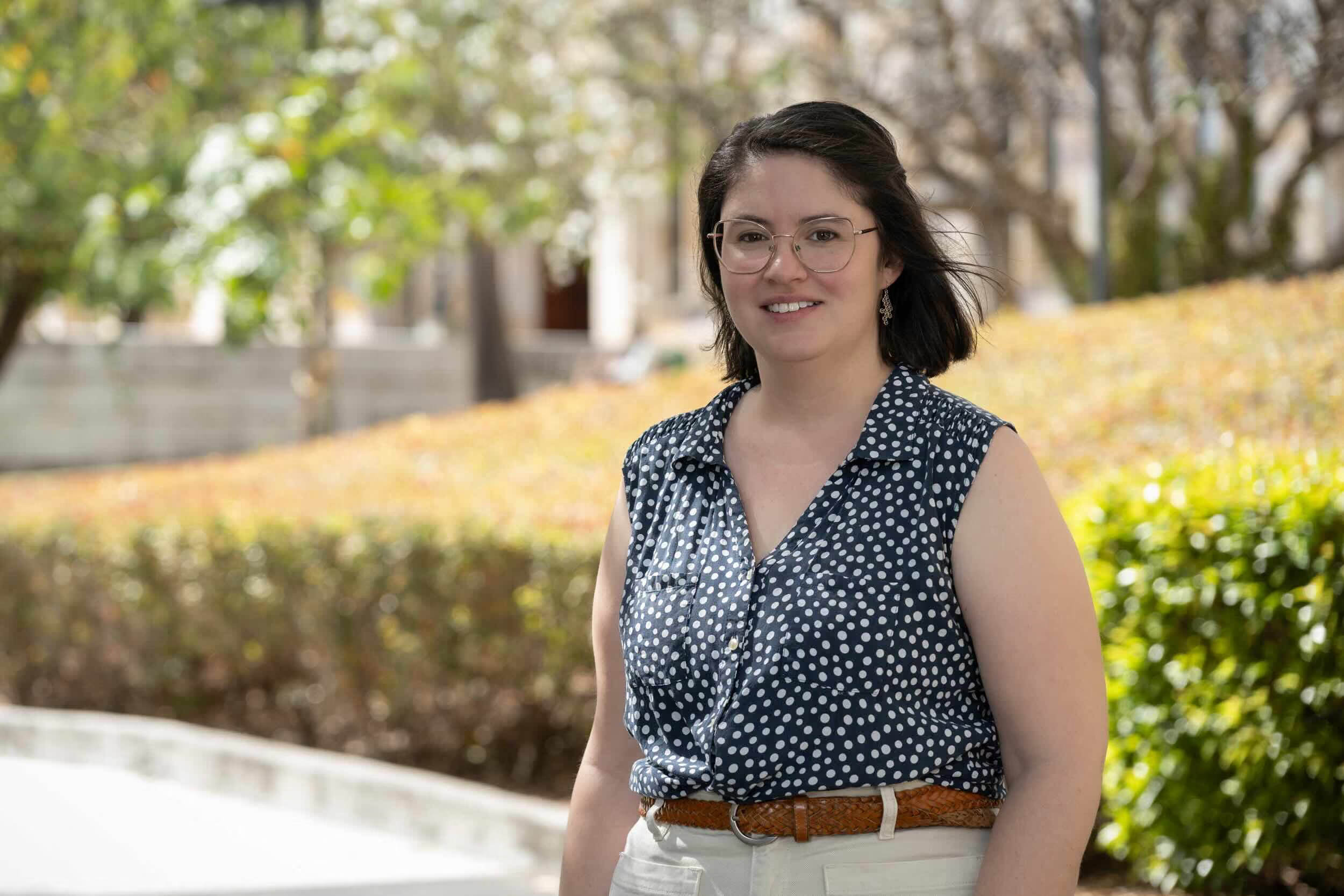
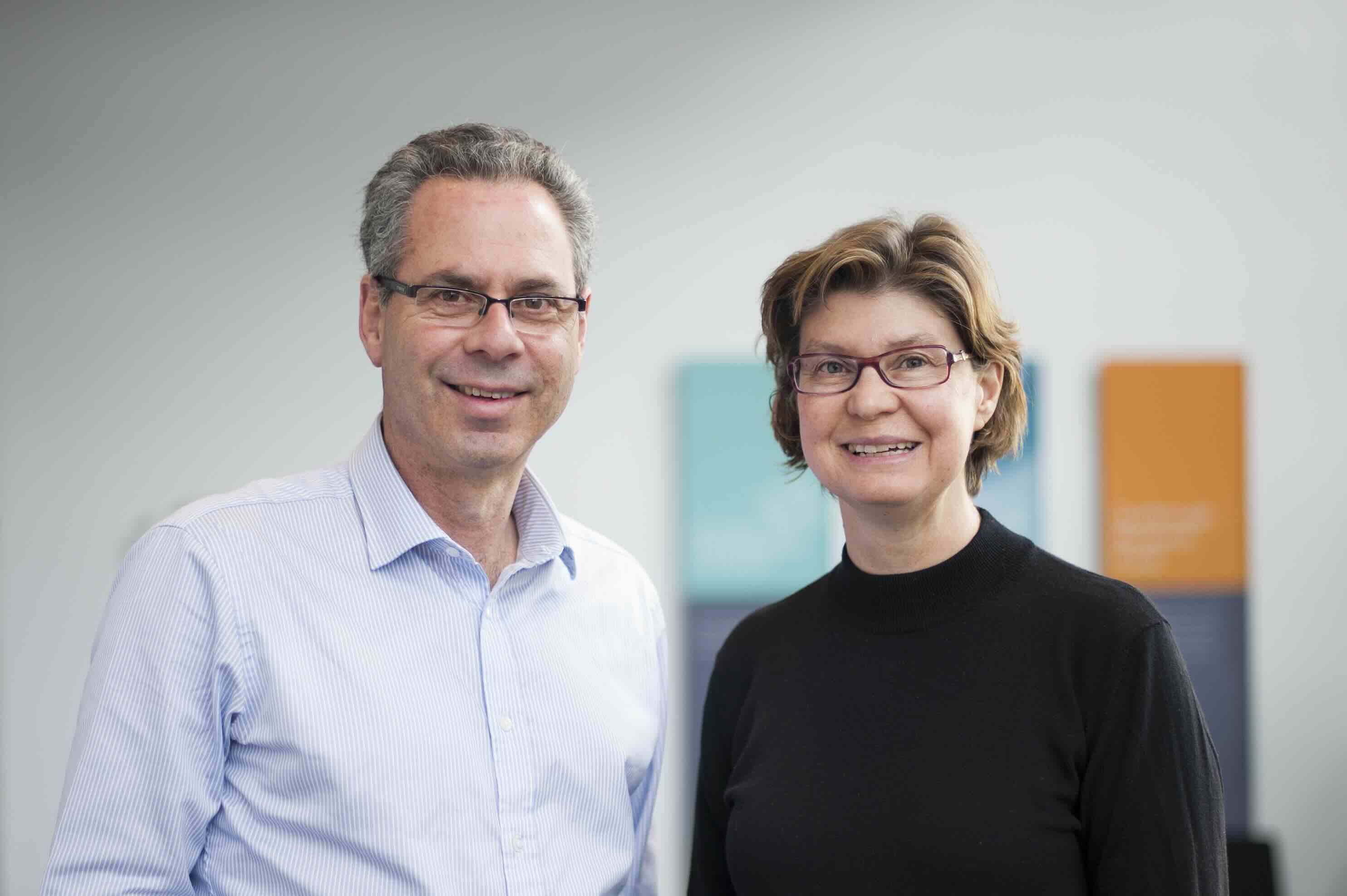
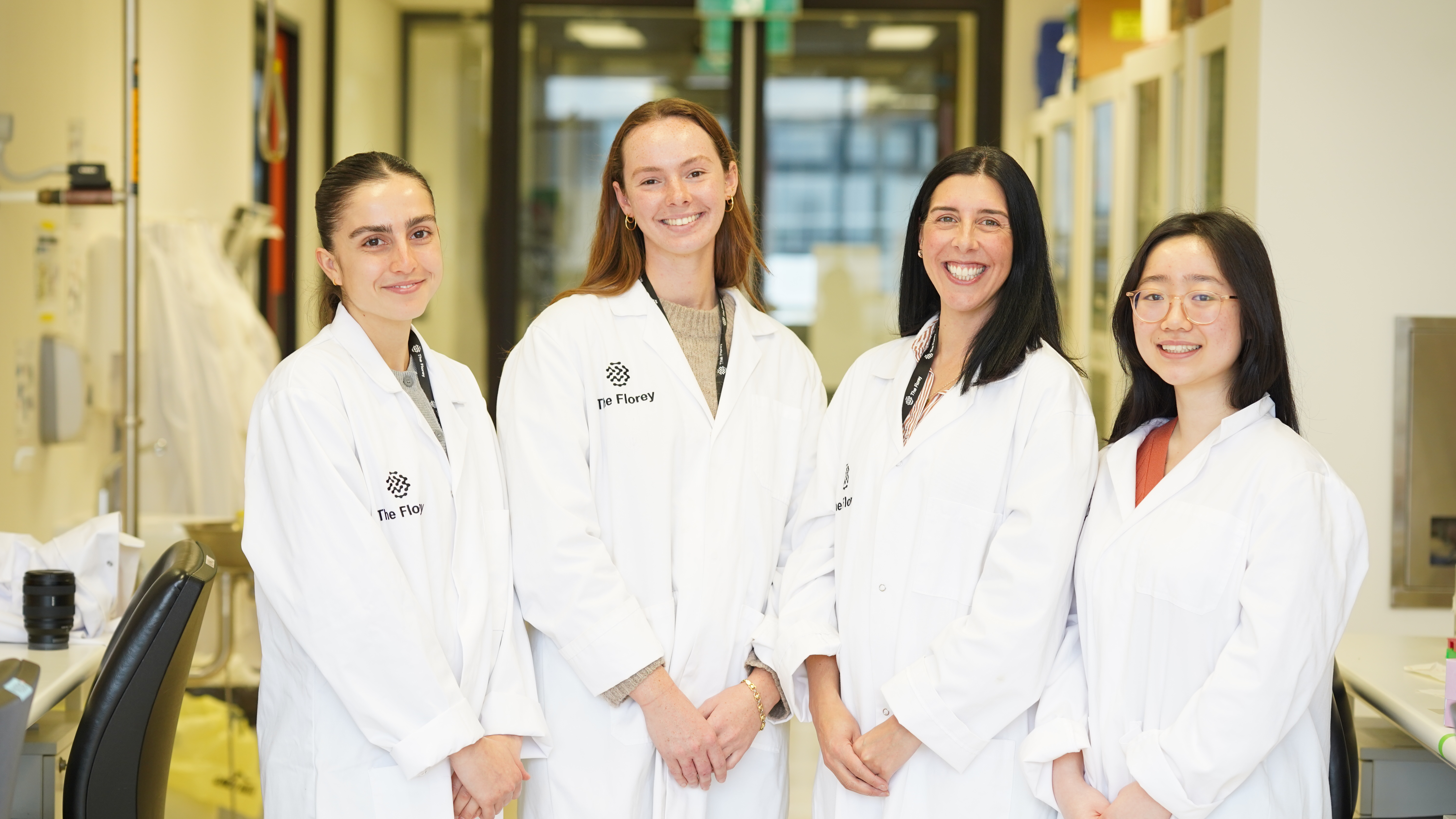
PICTURE: A/Prof Rebecca Nisbet and her team

Developing a new mRNA vaccine for Alzheimer’s disease

July 1, 2026
Using innovative technology to explore new possibilities for treatment and prevention.
Read Transcript

The challenge

Dementia is the leading cause of death for Australians, affecting almost half a million people. Alzheimer’s disease is the most common form of dementia, accounting for an estimated 60 to 80% of cases worldwide.

Despite decades of research, there is currently no cure for Alzheimer’s disease. While recent advances have led to the approval of the first treatments shown to slow disease progression, they have significant limitations. These treatments can carry serious side effects, require regular hospital visits over many months, and cost tens of thousands of dollars, making them inaccessible for many people.

Importantly, these treatments are only given once symptoms appear, when significant damage may have already occurred in the brain. There remains an urgent need for safer, more accessible approaches that could treat Alzheimer’s disease earlier, or potentially prevent it from developing.

The research

At The Florey, A/Prof Rebecca Nisbet and her team are using the innovative mRNA technology behind COVID-19 vaccines to develop a new vaccine for Alzheimer’s disease. While mRNA technology was first used widely to develop vaccines against infectious diseases, the team is exploring how this approach could be adapted to tackle neurodegenerative diseases. 

The vaccine is designed to stimulate the production of protective antibodies that are typically reduced in people with Alzheimer's disease. The researchers hope these antibodies will help the body target and clear the harmful molecules that contribute to brain damage. In preclinical studies, the team has shown the vaccine is safe and stimulates a protective immune response. They have also identified a lead vaccine candidate and demonstrated its ability to reduce brain damage and improve memory in a mouse model of Alzheimer's disease.

The role of philanthropy

Funding from Hearts & Minds has supported The Florey to take a risk on an idea and generate the pilot data needed to position the research for further investment. This support helped the team develop valuable intellectual property, attract additional investment and establish industry partnerships.

Philanthropic funding helped unlock further support from mRNA Victoria, which facilitated early discussions with BioNTech, a leader in mRNA technology. The team has since collaborated with BioNTech to support research, development and formulation of the vaccine. Beyond Alzheimer’s disease, this research is also helping expand understanding of how mRNA vaccine technology could be applied to other neurodegenerative conditions, including frontotemporal dementia.

What this could unlock

The next stage of this research will focus on advancing the vaccine towards clinical development, helping bridge the gap between promising laboratory discoveries and treatments that can benefit patients. 

In the future, this research could lead to a safer, more accessible treatment option for people living with Alzheimer’s disease, including those at higher risk of developing the condition. Longer term, the team hopes this approach could one day support prevention strategies, with vaccines administered earlier in life to reduce the likelihood of Alzheimer’s disease developing later.

Funding support from Hearts & Minds. This content was last updated in July 2026. For further information, visit The Florey.
The challenge

Dementia is the leading cause of death for Australians, affecting almost half a million people. Alzheimer’s disease is the most common form of dementia, accounting for an estimated 60 to 80% of cases worldwide.

Despite decades of research, there is currently no cure for Alzheimer’s disease. While recent advances have led to the approval of the first treatments shown to slow disease progression, they have significant limitations. These treatments can carry serious side effects, require regular hospital visits over many months, and cost tens of thousands of dollars, making them inaccessible for many people.

Importantly, these treatments are only given once symptoms appear, when significant damage may have already occurred in the brain. There remains an urgent need for safer, more accessible approaches that could treat Alzheimer’s disease earlier, or potentially prevent it from developing.

The research

At The Florey, A/Prof Rebecca Nisbet and her team are using the innovative mRNA technology behind COVID-19 vaccines to develop a new vaccine for Alzheimer’s disease. While mRNA technology was first used widely to develop vaccines against infectious diseases, the team is exploring how this approach could be adapted to tackle neurodegenerative diseases. 

The vaccine is designed to stimulate the production of protective antibodies that are typically reduced in people with Alzheimer's disease. The researchers hope these antibodies will help the body target and clear the harmful molecules that contribute to brain damage. In preclinical studies, the team has shown the vaccine is safe and stimulates a protective immune response. They have also identified a lead vaccine candidate and demonstrated its ability to reduce brain damage and improve memory in a mouse model of Alzheimer's disease.

The role of philanthropy

Funding from Hearts & Minds has supported The Florey to take a risk on an idea and generate the pilot data needed to position the research for further investment. This support helped the team develop valuable intellectual property, attract additional investment and establish industry partnerships.

Philanthropic funding helped unlock further support from mRNA Victoria, which facilitated early discussions with BioNTech, a leader in mRNA technology. The team has since collaborated with BioNTech to support research, development and formulation of the vaccine. Beyond Alzheimer’s disease, this research is also helping expand understanding of how mRNA vaccine technology could be applied to other neurodegenerative conditions, including frontotemporal dementia.

What this could unlock

The next stage of this research will focus on advancing the vaccine towards clinical development, helping bridge the gap between promising laboratory discoveries and treatments that can benefit patients. 

In the future, this research could lead to a safer, more accessible treatment option for people living with Alzheimer’s disease, including those at higher risk of developing the condition. Longer term, the team hopes this approach could one day support prevention strategies, with vaccines administered earlier in life to reduce the likelihood of Alzheimer’s disease developing later.

Funding support from Hearts & Minds. This content was last updated in July 2026. For further information, visit The Florey.

Disclaimer: This material has been prepared by Hearts & Minds, published on July 1, 2026. HM1 is not responsible for the content of linked websites or content prepared by third party. The inclusion of these links and third-party content does not in any way imply any form of endorsement by HM1 of the products or services provided by persons or organisations who are responsible for the linked websites and third-party content. This information is for general information only and does not consider the objectives, financial situation or needs of any person. Before making an investment decision, you should read the relevant disclosure document (if appropriate) and seek professional advice to determine whether the investment and information is suitable for you.

facebook
linkedin
All
Thank you! Your submission has been received!
Oops! Something went wrong while submitting the form.
July 1, 2026

Improving care for adults with motor neuron diseases

Building better care for adults living with Motor Neuron Disease and Spinal Muscular Atrophy.

Read More
July 1, 2026

Understanding fatigue in young people with Charcot-Marie-Tooth disease

Developing a tool to improve understanding, research and care.

Read More
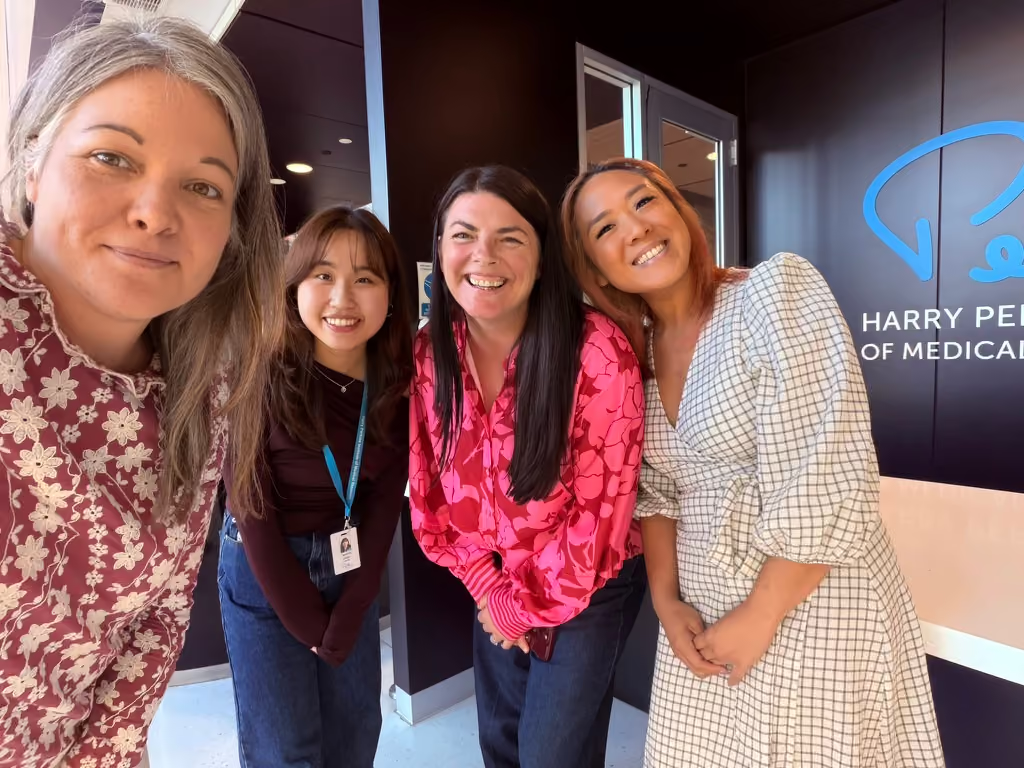
Pictured left to right: Professor Gina Ravenscroft (Perkins), Jasmine Chew, Sam Payne (CEO and Founder, Pink Elephants Support Network), and Shelby Mullin (Perkins).Pictured left to right: Professor Gina Ravenscroft (Perkins), Jasmine Chew, Sam Payne (CEO and Founder, Pink Elephants Support Network), and Shelby Mullin (Perkins).Pictured left to right: Professor Gina Ravenscroft (Perkins), Jasmine Chew, Sam Payne (CEO and Founder, Pink Elephants Support Network), and Shelby Mullin (Perkins).Pictured left to right: Professor Gina Ravenscroft (Perkins), Jasmine Chew, Sam Payne (CEO and Founder, Pink Elephants Support Network), and Shelby Mullin (Perkins).
July 1, 2026

Giving families living with rare diseases the answers they need

Supporting research to improve the diagnosis of rare genetic neuromuscular diseases and build the foundations for future treatments.

Read More
Picture: Dr Laura Grice, Lead Researcher Picture: Dr Laura Grice, Lead Researcher Picture: Dr Laura Grice, Lead Researcher Picture: Dr Laura Grice, Lead Researcher
July 1, 2026

Understanding spinal cord injury recovery

The world's first molecular map of spinal cord injury across time and injury levels

Read More
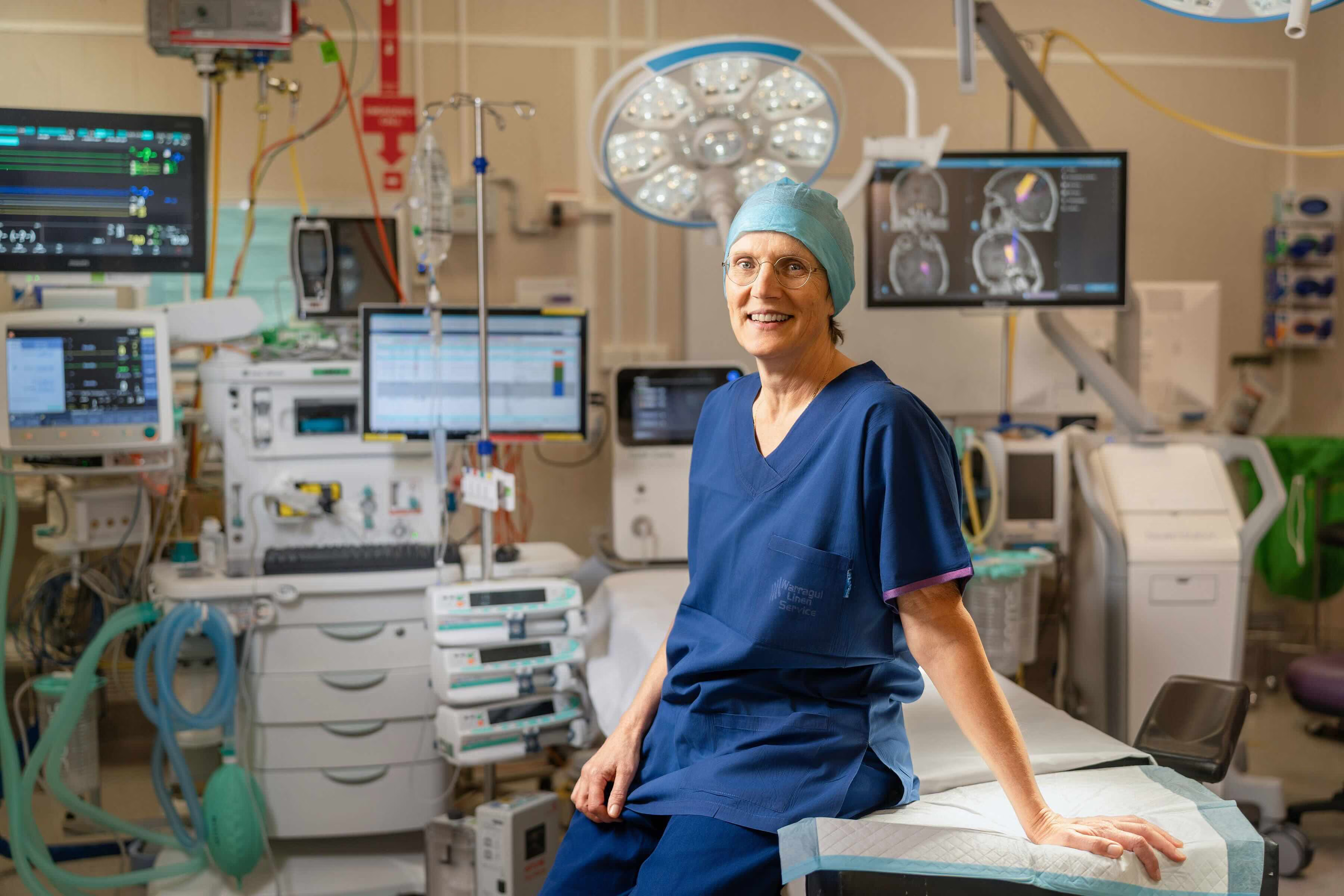
Picture: Professor Lindy Jeffree, Neurosurgeon and Chair, Brain Cancer Australia National Consortium Picture: Professor Lindy Jeffree, Neurosurgeon and Chair, Brain Cancer Australia National Consortium Picture: Professor Lindy Jeffree, Neurosurgeon and Chair, Brain Cancer Australia National Consortium Picture: Professor Lindy Jeffree, Neurosurgeon and Chair, Brain Cancer Australia National Consortium
July 1, 2026

Building the foundations for faster progress against brain cancer

Uniting researchers, clinicians and patients to accelerate research and improve patient care.

Read More
July 1, 2026

Accelerating CAR-T cell therapies for patients in need 

Bringing innovative cancer therapies closer to patients.

Read More
July 1, 2026

Supporting babies at high risk of cerebral palsy from the very beginning

Testing a family-centred early intervention program to improve outcomes for infants and support parents during the first critical months of life.

Read More
July 1, 2026

Making early cerebral palsy screening more accessible

Exploring new ways to identify babies at risk of cerebral palsy sooner and support better outcomes.

Read More
Picture: Professor Tracy Putoczki, Laboratory Head at WEHIPicture: Professor Tracy Putoczki, Laboratory Head at WEHIPicture: Professor Tracy Putoczki, Laboratory Head at WEHIPicture: Professor Tracy Putoczki, Laboratory Head at WEHI
July 1, 2026

Mapping the surface of pancreatic cancer cells

Identifying proteins on pancreatic cancer cells that could become new targets for developing future treatments.

Read More
Picture: Professor Jane Visvader and Professor Geoff Lindeman from the Breast Cancer Laboratory at WEHI Picture: Professor Jane Visvader and Professor Geoff Lindeman from the Breast Cancer Laboratory at WEHI Picture: Professor Jane Visvader and Professor Geoff Lindeman from the Breast Cancer Laboratory at WEHI Picture: Professor Jane Visvader and Professor Geoff Lindeman from the Breast Cancer Laboratory at WEHI
July 1, 2026

Understanding how breast cancer begins

Tracking the earliest changes in BRCA mutation carriers to help prevent cancer before it starts.

Read More
July 1, 2026

A new path forward for women living with period and pelvic pain

Uncovering the biology driving debilitating symptoms

Read More
Picture: Professor Daniel MacArthurPicture: Professor Daniel MacArthurPicture: Professor Daniel MacArthurPicture: Professor Daniel MacArthur
July 1, 2026

Closing the gap in rare disease diagnosis for Australian families

Building better genomic tools and more representative data to help families receive answers sooner.

Read More
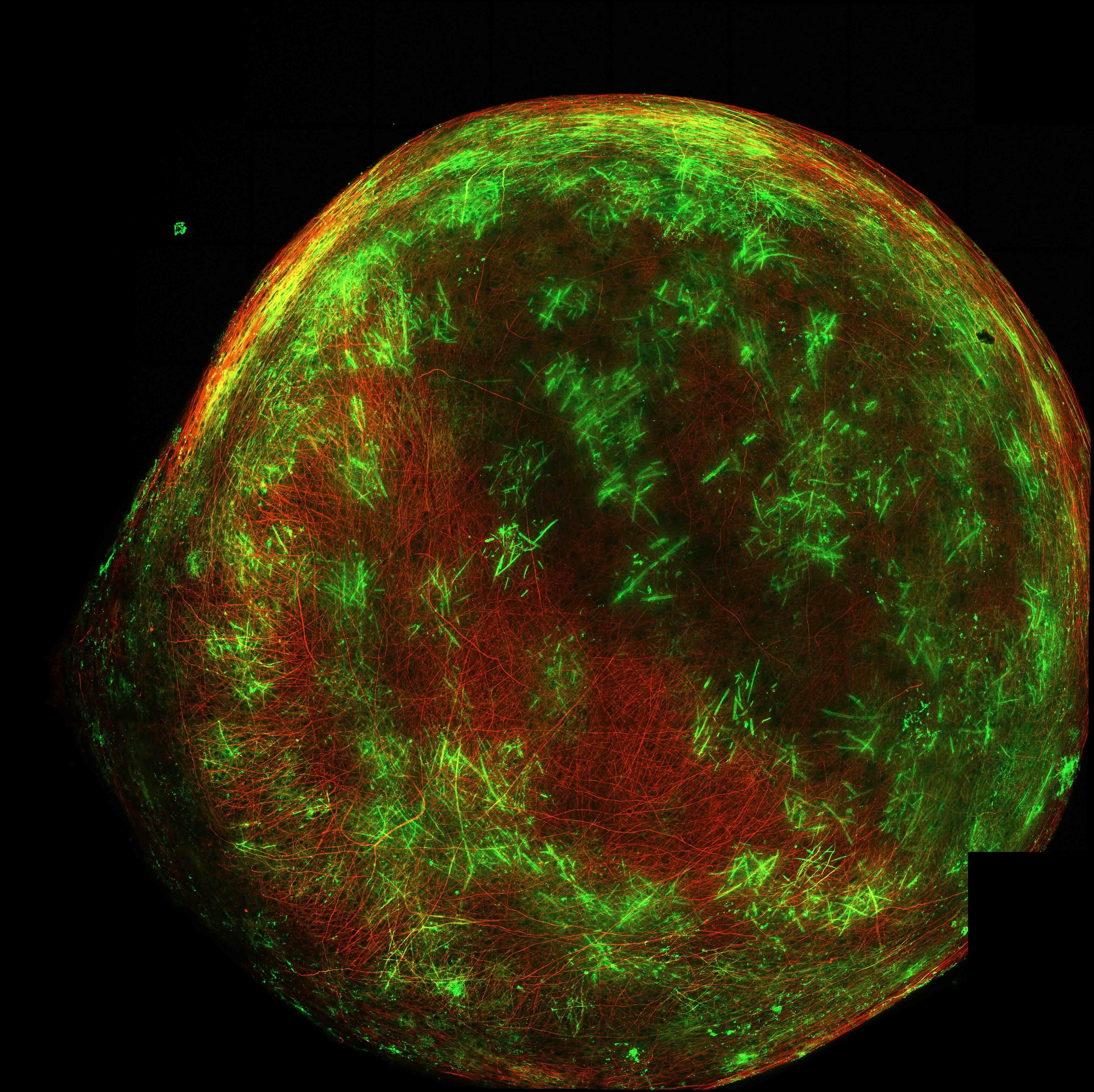
Researchers are growing human “mini-brains” in the laboratory and introducing immune cells from people living with MS. Researchers are growing human “mini-brains” in the laboratory and introducing immune cells from people living with MS. Researchers are growing human “mini-brains” in the laboratory and introducing immune cells from people living with MS. Researchers are growing human “mini-brains” in the laboratory and introducing immune cells from people living with MS.
July 1, 2026

Unlocking new approaches for Multiple Sclerosis

Understanding why the brain fails to repair itself and exploring new treatment possibilities.

Read More
December 5, 2023

Prof Daniel MacArthur | 2023 Sohn Hearts & Minds Conference

At the 2023 Sohn Hearts & Minds Conference, we heard from Prof Daniel MacArthur, the Director of the Centre for Population Genomics.

Read More
December 5, 2023

Prof Michelle Simmons AO | Sohn Hearts & Minds Conference

At this year's Sohn Hearts & Minds Conference, we heard from Prof Michelle Simmons, the CEO and Founder of Silicon Quantum Computing.

Read More
December 10, 2024

Professor Jane Butler: Sparking Hope for Spinal Cord Injuries

In this episode of the Hearts & Minds Podcast, we sit down with Professor Jane Butler to discuss her groundbreaking research into spinal cord injuries.

Read More
impact-podcasts
September 24, 2024

Asian Market Potential with Tom Naughton of Prusik

CIO Charlie Lanchester sits down with Tom Naughton, CIO of Prusik Investment Mgmt. Tom shares his investment philosophy, the opportunities and challenges in Asian markets, and how his 2023 conference stock pick, Swire Pacific (0019.HK), delivered an impressive 30% return.

Read More
investing
September 4, 2024

Building Hearts and Minds with Co-Founders Matthew Grounds and Guy Fowler

In this episode, co-founders Matthew Grounds AM and Guy Fowler OAM discuss their journey in building Hearts & Minds and its philanthropic model that has donated over $70 million to medical research.

Read More
investing
June 25, 2024

Navigating the Resource Sector with Jeremy Bond of Terra Capital

In this episode, we chat with Jeremy Bond, Founder of Terra Capital and HM1 Conference Fund Manager. Tune in for insights into the world of resource investments and the exciting opportunities that lie ahead.

Read More
investing
June 11, 2024

Prof. Nadia Badawi on Cerebral Palsy Breakthroughs and Neonatal Care

Dive deep into the groundbreaking work of Professor Nadia Badawi, an internationally recognised neonatologist and expert in Cerebral Palsy.

Read More
impact-podcasts
May 28, 2024

Investment Insights: Rikki Bannan on Top Picks and Trends

Join us for an engaging episode featuring Rikki Bannan, Portfolio Manager of IFM Investors and HM1 Conference Fund Manager. This episode explores Rikki's career journey, investment strategies, and her 2023 conference stock pick, Telix Pharmaceuticals (ASX.TLX).

Read More
investing
December 6, 2023

Peter Cooper talks building and instilling a culture of humility and excellence

In this episode, our guest is the renowned investor, Peter Cooper, founder and Chief Investment Officer of Cooper Investors (Core Fund Manager). A founding supporter of Hearts and Minds, Peter is a staunch advocate of our model and its philanthropic purpose, actively engaging in every facet of Hearts and Minds.

Read More
investing
November 28, 2023

Jun Bei Liu on her high conviction investment strategy

In this episode, HM1 Chief Investment Officer Charlie Lanchester is joined by Jun Bei Liu. Jun Bei is the Portfolio Manager of Tribeca’s Alpha Plus Fund and since taking over managing the Fund, she has quadrupled AUM.

Read More
investing
November 21, 2023

The world of rare genetic disease research

In this episode, we speak to Associate Professor Gina Ravenscroft. Gina is an Associate Professor in Neurogenetics at the Harry Perkins Institute of Medical Research in Perth. Her research interests are in rare genetic diseases, with a particular focus on neurogenetic diseases in babies and children.

Read More
impact-podcasts
November 14, 2023

Learn what makes a high conviction investment and how to avoid short-term noise

In this episode, our Core Fund Manager Magellan shares how they select top stocks for the HM1 portfolio.

Read More
investing
November 7, 2023

Delve into the world of kids critical care and trauma research

In thie episode, we are joined by Dr. Marino Festa, or Rino for short. He is the Medical Director of NSW Kids ECMO Referral Service and a senior specialist in Paediatric Intensive Care at Children’s Hospital at Westmead.

Read More
impact-podcasts
October 31, 2023

Where Regal's Phil King is searching for opportunities

HM1's CIO, Charlie Lanchester, talks to Phil King of Regal Funds about his passion for stocks, his ongoing search for opportunities, and some of the sectors he’s excited by right now. Phil King of Regal Funds, has been a tremendous supporter of Hearts & Minds since the beginning.

Read More
investing
October 24, 2023

Preventing recurrent miscarriages and birth defects

In this episode, CEO Paul Rayson is joined by renowned biomedical researcher Professor Sally Dunwoodie. Prof. Dunwoodie's groundbreaking work has revolutionised clinical practices and enabled genetic diagnostic tests worldwide. In 2017, her team achieved a double breakthrough with the potential to prevent recurrent miscarriages and various birth defects.

Read More
impact-podcasts
October 17, 2023

Nick Griffin on how he finds global winners

In this episode, CIO Charlie Lanchester chats with Nick Griffin, the founding partner and CIO of Munro Partners, one of HM1's Core Fund Managers. They go over his career to date, reflect on the lessons he’s learned, and trace the decisions that led to him starting Munro.

Read More
investing
October 10, 2023

How A/Prof Matt Call is teaching our body to kill cancer

In this episode, CEO Paul Rayson is joined by WEHI’s Associate Professor Matt Call to talk about his incredible research. Matt’s team teaches and trains the body's own immune cells to target and kill cancer cells.

Read More
impact-podcasts

No results found.

Please try a different search keyword or filter.