Harnessing the power of stem cell technology

Developing cell therapies for patients with blood diseases

Harnessing the power of stem cell technology

July 1, 2026
Developing cell therapies for patients with blood diseases
Read Transcript

The challenge

Each year in Australia, more than 2,000 people receive blood stem cell transplants to treat serious conditions including blood cancers, bone marrow disorders and immune diseases. For many patients, treatment depends on finding a closely matched donor. When no suitable match is available, the risks increase significantly, including serious and sometimes life-threatening complications. As a result, not every patient can access a safe transplant when they need one.

Riya’s experience reflects this challenge. She was diagnosed with severe aplastic anaemia at age 11. With no fully matched donor available, she received a partially matched transplant from her mother. While the transplant was successful, she experienced significant complications as a result of the imperfect match and spent three months in hospital.

Experiences like Riya’s are driving the work of the Blood Development Group, co-led by Professor Andrew Elefanty and Associate Professor Elizabeth Ng at Murdoch Children’s Research Institute. Researchers are developing blood stem cells from a patient’s own cells, which could allow patients to receive a transplant made specifically for them, without relying on donor matching.

The breakthrough

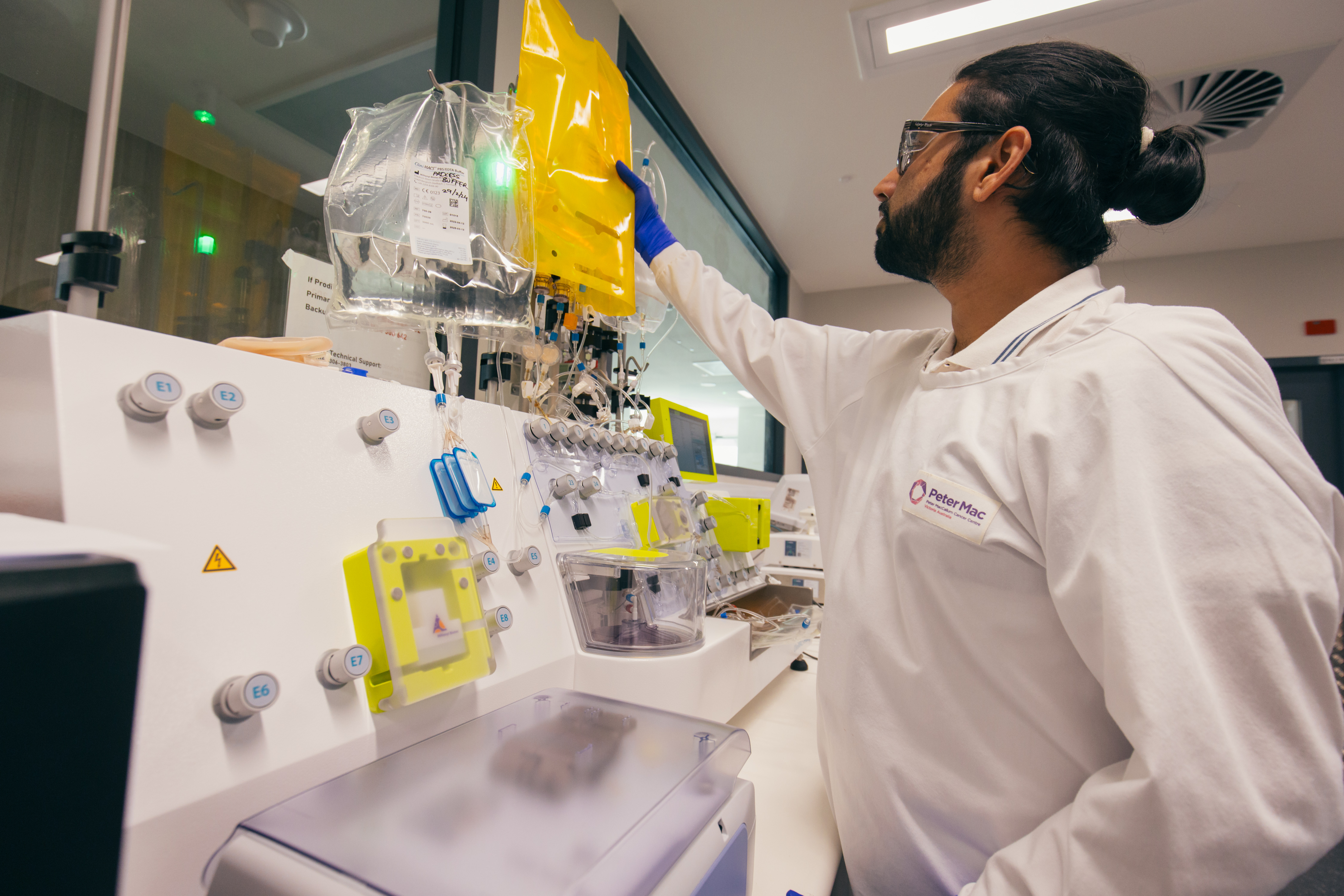
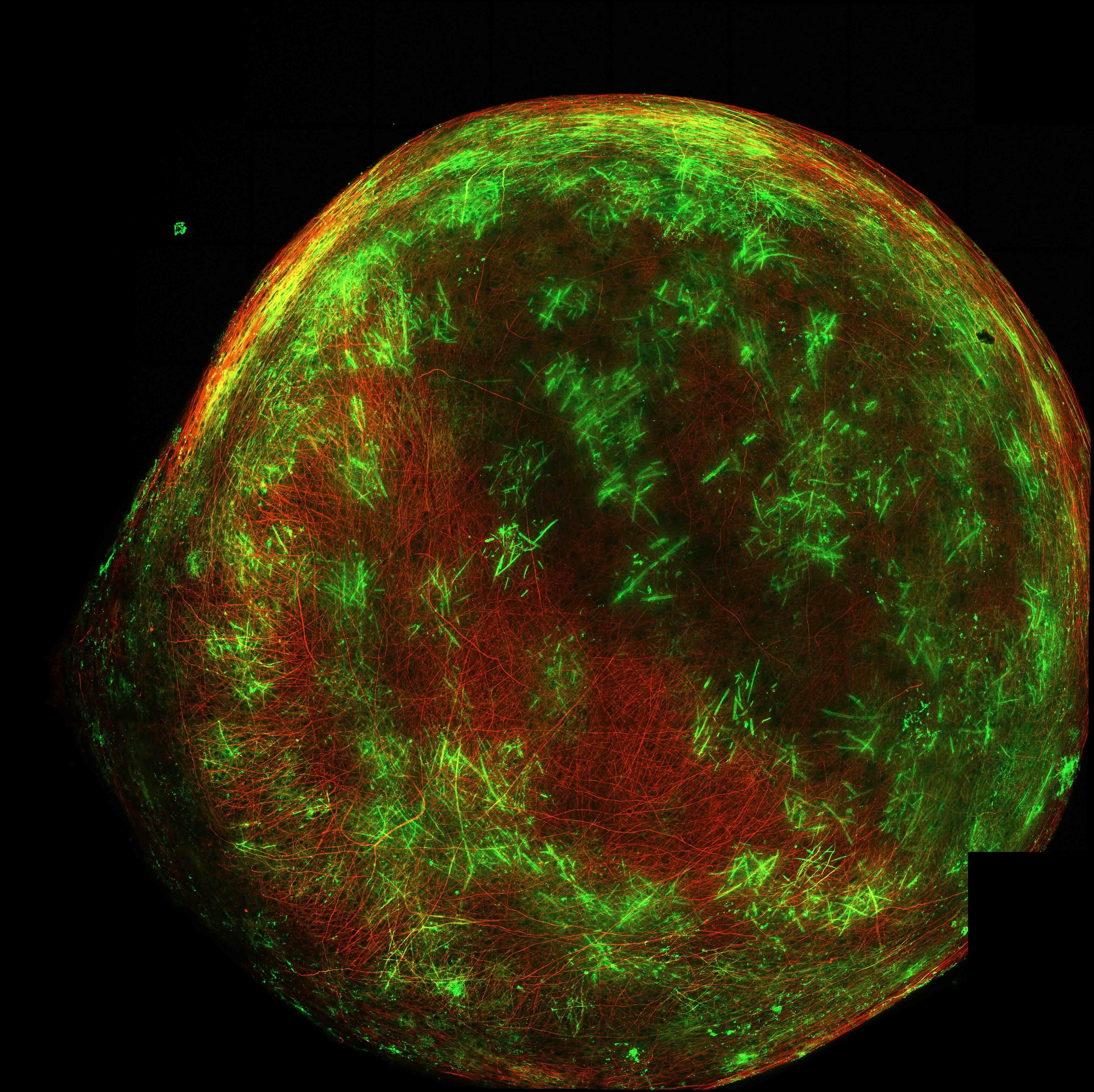
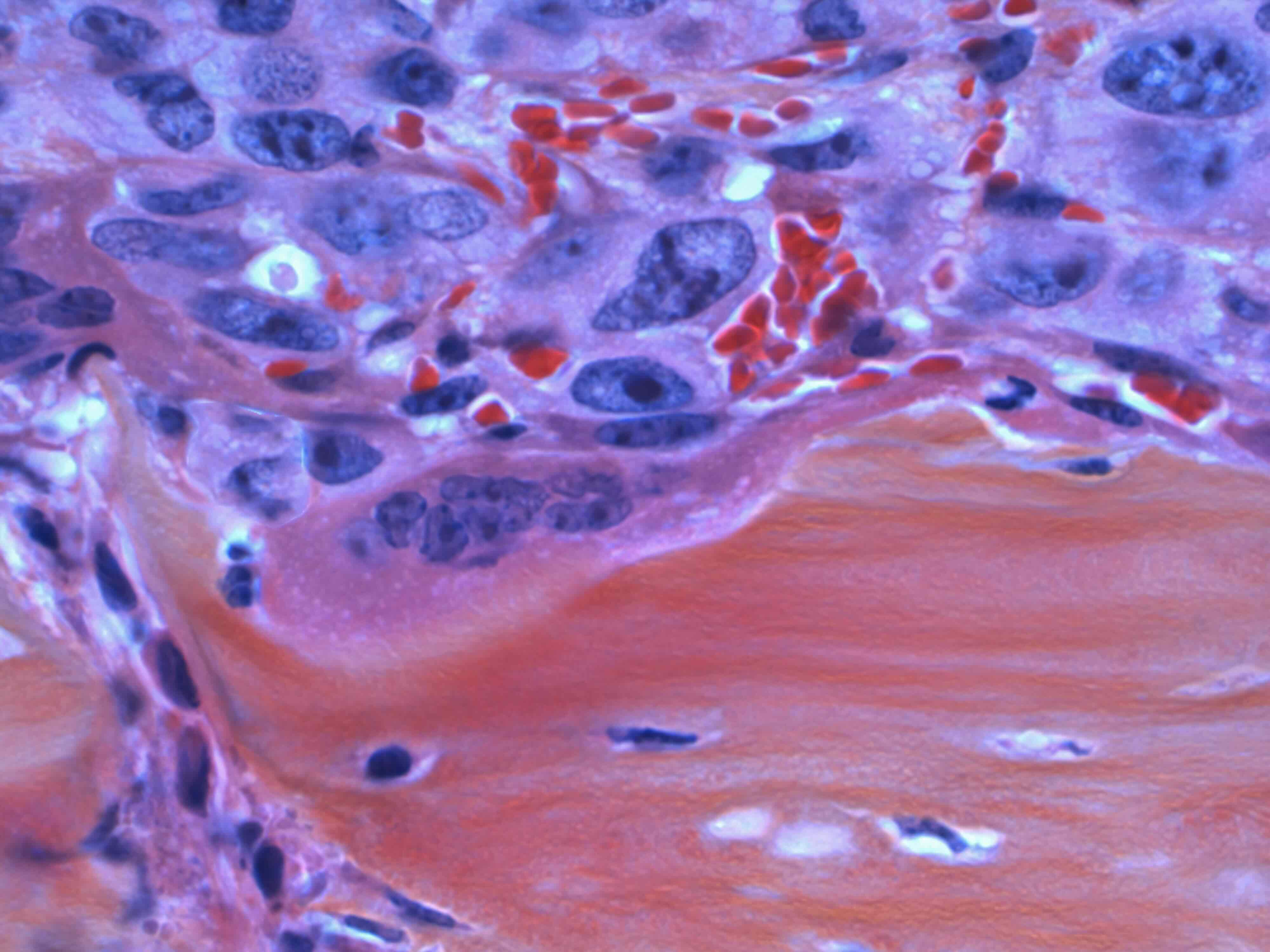
The team has demonstrated a pathway toward creating blood stem cells in the laboratory - cells capable of developing into the key types of blood cells the body needs, including infection-fighting immune cells and red blood cells.

In early studies, these lab-grown cells have successfully established and regenerated blood systems in pre-clinical models, demonstrating their potential for blood stem cell transplantation. Importantly, this early success has since been translated into a scalable process that has been assessed as suitable for clinical-grade manufacturing, bringing it one step closer to future patient treatments.

For a patient like Riya, this would mean a very different path, with a treatment built from her own cells, without the need for a donor search or the complications that come with a partial match.

The role of philanthropy

Hearts & Minds funding, as nominated by Munro Partners, has supported this work at a critical early stage, enabling the development and testing of laboratory-grown blood stem cells. This support has helped accelerate progress from concept toward validated early results.

This is where philanthropy can make a difference: flexible funding that enables researchers to pursue ambitious ideas, retain highly skilled staff, and maintain momentum between major grant funding cycles. Without it, promising early science often stalls before it can generate the evidence needed to scale.

What this could unlock

The technology developed by the Blood Development Group is already being used by research laboratories globally to accelerate studies into blood diseases and gene therapies. Its significance has been recognised through major publications, international collaborations, and a $35 million commercial licensing agreement with US biotechnology company Retro Biosciences (2025), validating both its scientific credibility and its clinical potential.

"This research brings us closer to a future where patients can receive blood stem cell transplants created from their own cells. By turning patients into their own perfect donor, we have the potential to transform treatment for blood diseases and dramatically improve outcomes."

A/Prof Elizabeth Ng

The next phase of the project will focus on translating this laboratory breakthrough into clinical trials and scalable manufacturing, bringing personalised blood stem cell transplants closer to patients like Riya and others still waiting for a match.

Funding support from Hearts & Minds, as nominated by Core Fund Manager, Munro Partners. This content was last updated in July 2026. For further information, visit Murdoch Children's Research Institute.

The challenge

Each year in Australia, more than 2,000 people receive blood stem cell transplants to treat serious conditions including blood cancers, bone marrow disorders and immune diseases. For many patients, treatment depends on finding a closely matched donor. When no suitable match is available, the risks increase significantly, including serious and sometimes life-threatening complications. As a result, not every patient can access a safe transplant when they need one.

Riya’s experience reflects this challenge. She was diagnosed with severe aplastic anaemia at age 11. With no fully matched donor available, she received a partially matched transplant from her mother. While the transplant was successful, she experienced significant complications as a result of the imperfect match and spent three months in hospital.

Experiences like Riya’s are driving the work of the Blood Development Group, co-led by Professor Andrew Elefanty and Associate Professor Elizabeth Ng at Murdoch Children’s Research Institute. Researchers are developing blood stem cells from a patient’s own cells, which could allow patients to receive a transplant made specifically for them, without relying on donor matching.

The breakthrough

The team has demonstrated a pathway toward creating blood stem cells in the laboratory - cells capable of developing into the key types of blood cells the body needs, including infection-fighting immune cells and red blood cells.

In early studies, these lab-grown cells have successfully established and regenerated blood systems in pre-clinical models, demonstrating their potential for blood stem cell transplantation. Importantly, this early success has since been translated into a scalable process that has been assessed as suitable for clinical-grade manufacturing, bringing it one step closer to future patient treatments.

For a patient like Riya, this would mean a very different path, with a treatment built from her own cells, without the need for a donor search or the complications that come with a partial match.

The role of philanthropy

Hearts & Minds funding, as nominated by Munro Partners, has supported this work at a critical early stage, enabling the development and testing of laboratory-grown blood stem cells. This support has helped accelerate progress from concept toward validated early results.

This is where philanthropy can make a difference: flexible funding that enables researchers to pursue ambitious ideas, retain highly skilled staff, and maintain momentum between major grant funding cycles. Without it, promising early science often stalls before it can generate the evidence needed to scale.

What this could unlock

The technology developed by the Blood Development Group is already being used by research laboratories globally to accelerate studies into blood diseases and gene therapies. Its significance has been recognised through major publications, international collaborations, and a $35 million commercial licensing agreement with US biotechnology company Retro Biosciences (2025), validating both its scientific credibility and its clinical potential.

"This research brings us closer to a future where patients can receive blood stem cell transplants created from their own cells. By turning patients into their own perfect donor, we have the potential to transform treatment for blood diseases and dramatically improve outcomes."

A/Prof Elizabeth Ng

The next phase of the project will focus on translating this laboratory breakthrough into clinical trials and scalable manufacturing, bringing personalised blood stem cell transplants closer to patients like Riya and others still waiting for a match.

Funding support from Hearts & Minds, as nominated by Core Fund Manager, Munro Partners. This content was last updated in July 2026. For further information, visit Murdoch Children's Research Institute.
Disclaimer: This material has been prepared by Hearts & Minds, published on July 1, 2026. HM1 is not responsible for the content of linked websites or content prepared by third party. The inclusion of these links and third-party content does not in any way imply any form of endorsement by HM1 of the products or services provided by persons or organisations who are responsible for the linked websites and third-party content. This information is for general information only and does not consider the objectives, financial situation or needs of any person. Before making an investment decision, you should read the relevant disclosure document (if appropriate) and seek professional advice to determine whether the investment and information is suitable for you.

facebook
linkedin
All
Thank you! Your submission has been received!
Oops! Something went wrong while submitting the form.
July 1, 2026

Understanding fatigue in young people with Charcot-Marie-Tooth disease

Developing a tool to improve understanding, research and care.

Read More
Picture: Professor Gina Ravenscroft and her teamPicture: Professor Gina Ravenscroft and her teamPicture: Professor Gina Ravenscroft and her teamPicture: Professor Gina Ravenscroft and her team
July 1, 2026

Giving families living with rare diseases the answers they need

Supporting research to improve the diagnosis of rare genetic neuromuscular diseases and build the foundations for future treatments.

Read More
December 5, 2023

Prof Daniel MacArthur | 2023 Sohn Hearts & Minds Conference

At the 2023 Sohn Hearts & Minds Conference, we heard from Prof Daniel MacArthur, the Director of the Centre for Population Genomics.

Read More
December 5, 2023

Prof Michelle Simmons AO | Sohn Hearts & Minds Conference

At this year's Sohn Hearts & Minds Conference, we heard from Prof Michelle Simmons, the CEO and Founder of Silicon Quantum Computing.

Read More
December 5, 2023

Prof Misty Jenkins AO | 2023 Sohn Hearts & Minds Conference

At the 2023 Sohn Hearts & Minds Conference, we heard from Prof Misty Jenkins. Misty is a NHMRC fellow and laboratory head of the Immunology Division at the Walter and Eliza Hall Institute.

Read More
Daniel MacArthur speaking at the 2023 Sohn Hearts & Minds Conference in Sydney.Daniel MacArthur speaking at the 2023 Sohn Hearts & Minds Conference in Sydney.Daniel MacArthur speaking at the 2023 Sohn Hearts & Minds Conference in Sydney.Daniel MacArthur speaking at the 2023 Sohn Hearts & Minds Conference in Sydney.
November 15, 2023

Advancing Medicine Is In Daniel MacArthur’s DNA

When genomic scientist Daniel MacArthur had the opportunity to set up a new Centre for Population Genomics in Australia in 2019, he jumped at the chance to return home after 12 years living overseas.

Read More
November 10, 2023

Big thinkers in hunt for brain cancer cure

“Brain cancer is rare, but for people who do get it the prognosis is not good,” Assistant Professor Jenkins tells The Australian.

Read More
April 20, 2023

Artificial intelligence gives new hope for sufferers of severe heart problem

New AI software can improve the diagnosis of severe aortic stenosis by 72% and could potentially change the lives of about 50,000 Australians with the life-threatening condition.

Read More
February 14, 2023

Bringing Equity and Diversity to Genomic Medicine

Professor Daniel MacArthur, Director of the Centre for Population Genomics has big goals to bring equity and diversity into genomic medicine in Australia, something surprisingly inadequate presently.

Read More
September 6, 2022

VCCRI: 'Heart in a Box'

An Australian method of preserving donated hearts has boosted the number of successful transplants across the world, with new research demonstrating similar survival rates to traditional transplants.

Read More
February 24, 2022

Impact Video: Cerebral Palsy Alliance

This video features Professor Nadia Badawi AM, Professor Alistair McEwan, Paul Rayson and others discussing the incredible impact our partnership will have.

Read More
February 24, 2022

New Partnership with Cerebral Palsy Alliance

We’re excited to announce a new partnership with the Cerebral Palsy Alliance and are proud to be supporting this important research.

Read More
August 3, 2021

Australian breakthrough to stop heart arteries from clogging

Victor Chang scientist has led landmark research that has the potential to stop arteries of the heart from becoming clogged by targeting a particular gene.

Read More
October 12, 2020

Beneficiary Profile: Victor Chang

Cardiovascular disease is the number one cause of death globally and costs the Australian economy $12 billion each year. Every 12 minutes, one Australian dies from the disease. This is why the Victor Chang Cardiac Research Institute is dedicated to finding cures through their world class research.

Read More
September 23, 2020

Silent wave' of brain damage could follow pandemic

Australia urgently needs to prepare for a "silent wave" of COVID-19, which appears to be taking the form of long-term neurological side effects following infection with the virus.

Read More