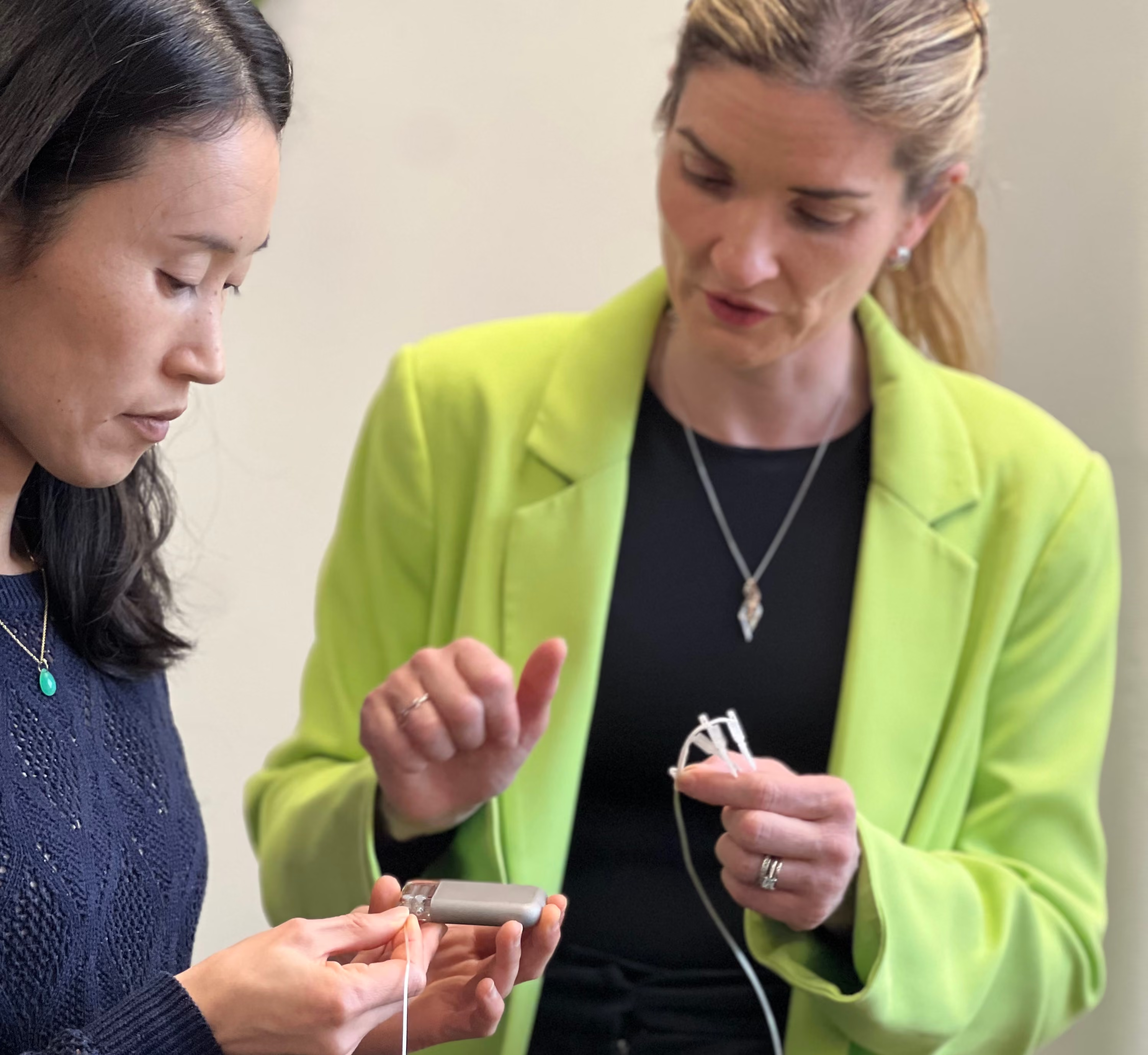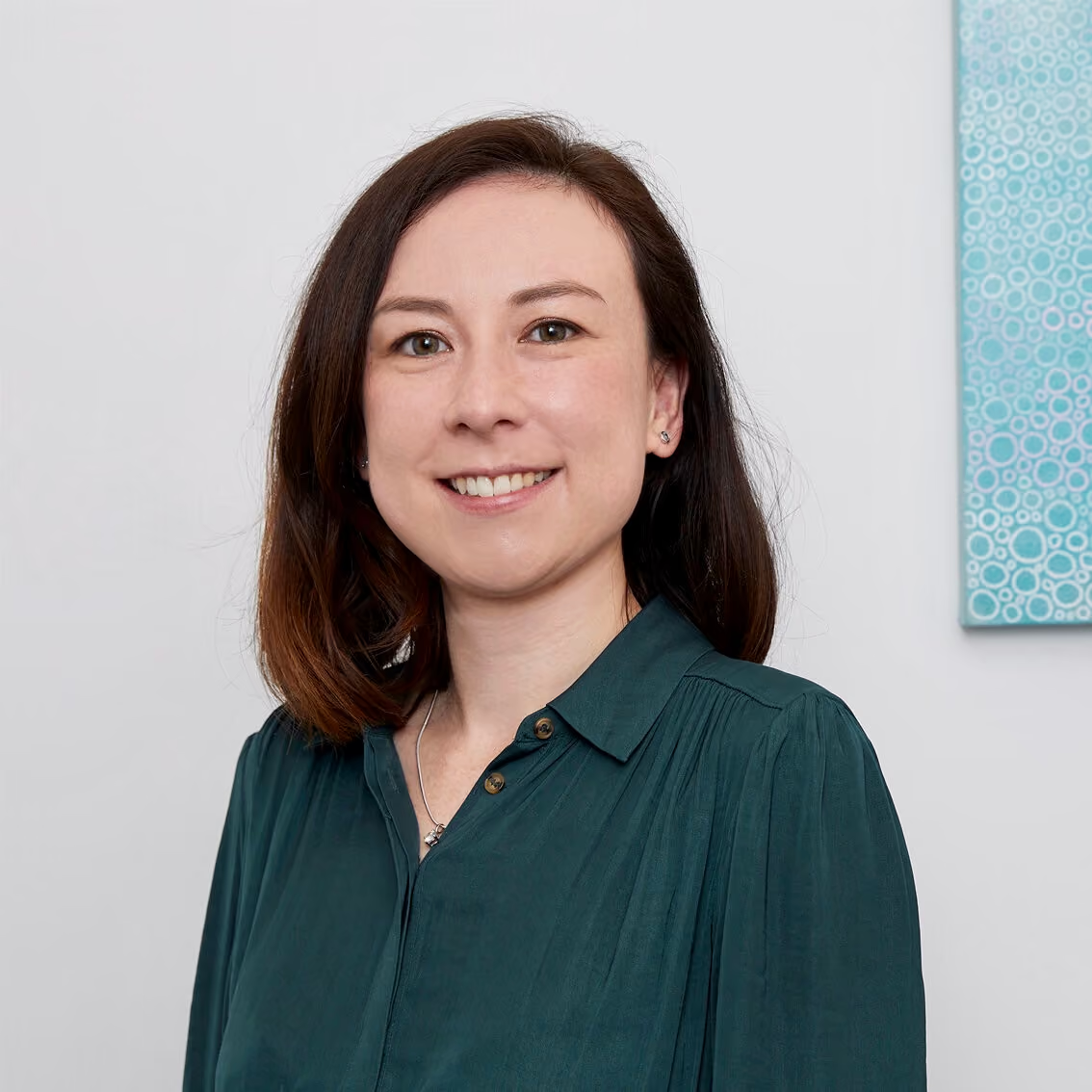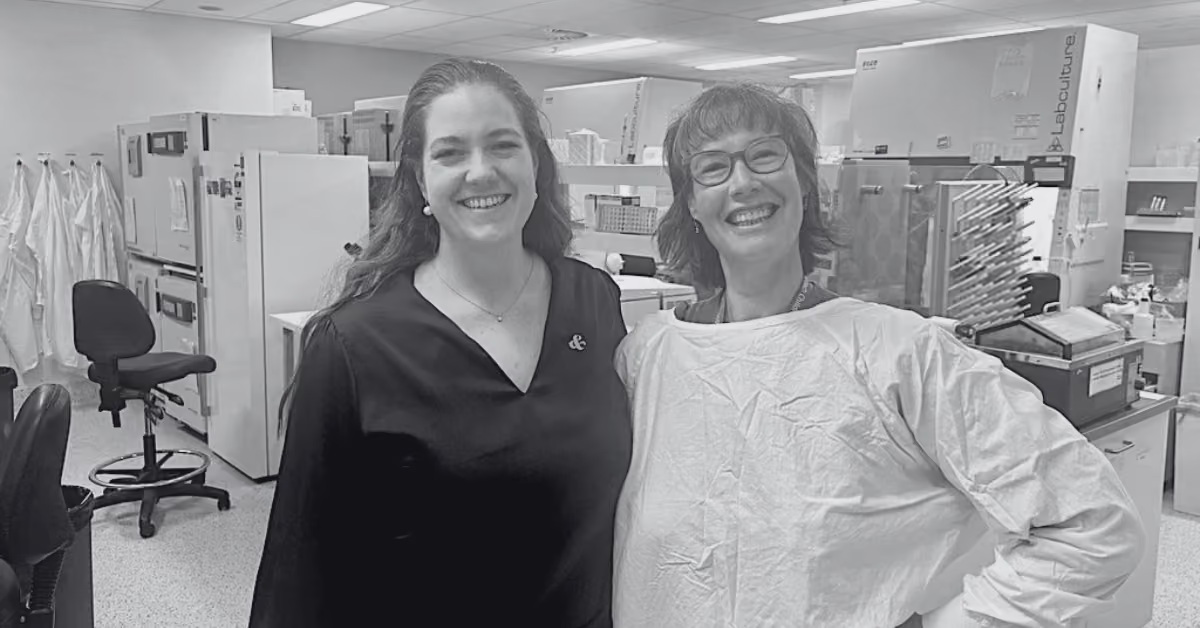

Scientist Elizabeth Ng is clutching a small flask with a clear mixture inside it that she’s just retrieved from inside a bioreactor.
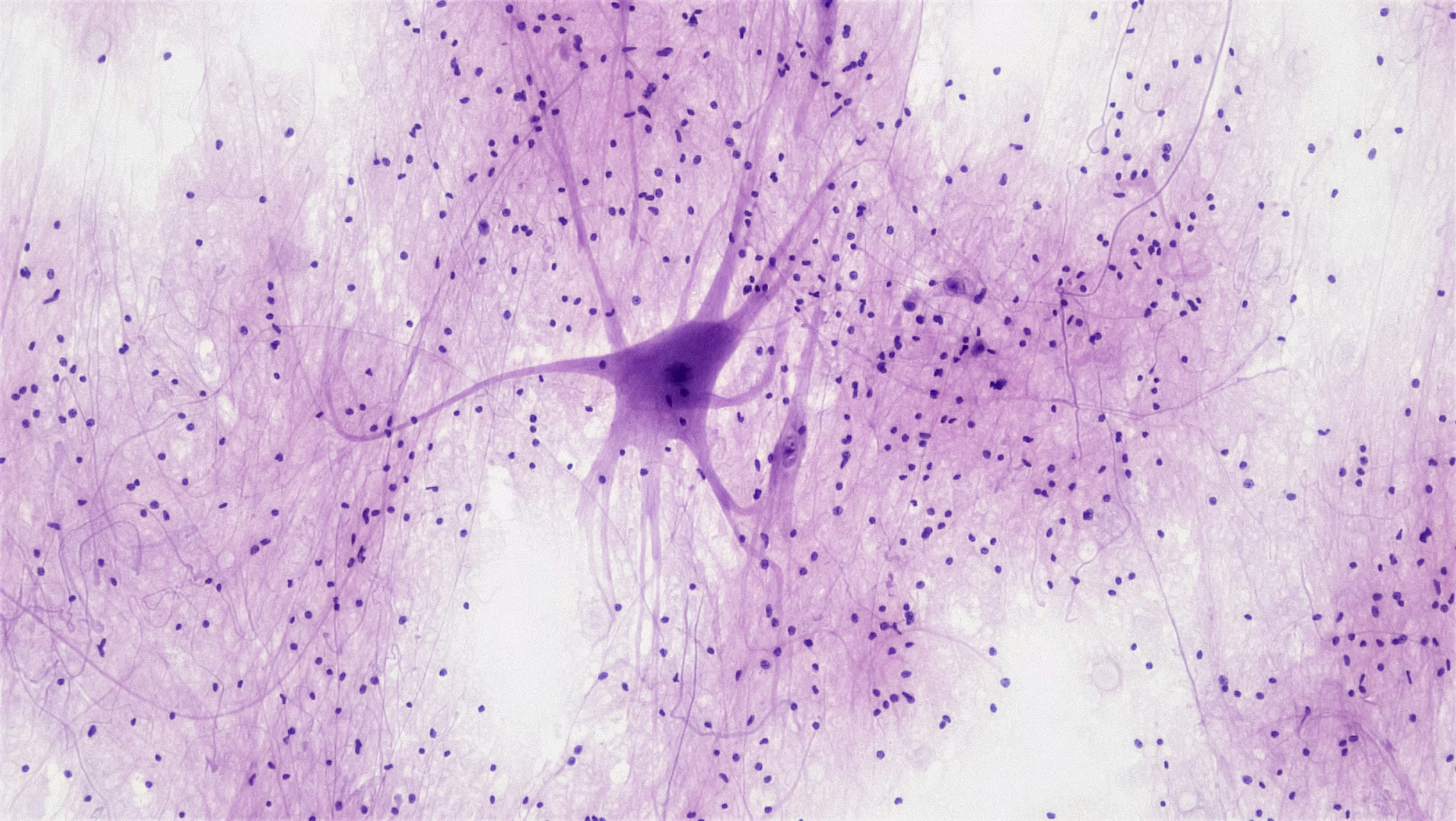
The colonies of cells clearly visible inside the flask are the genesis of life: pluripotent stem cells. They’re capable of forming every tissue in the body. Inside these flasks, the induced pluripotent stem cells are forming tiny clusters that replicate the human embryo in its earliest iteration.
“These pluripotent stem cells are immortal,” Associate Professor Ng says from inside the Blood Development Laboratory at the Murdoch Children’s Research Institute in Melbourne, where she is a group leader.
“We can use them to understand how to make human tissues. To do that, we have to recreate every step in early embryonic development. We have to deconstruct that process, and then mimic the whole process from scratch in the laboratory.”
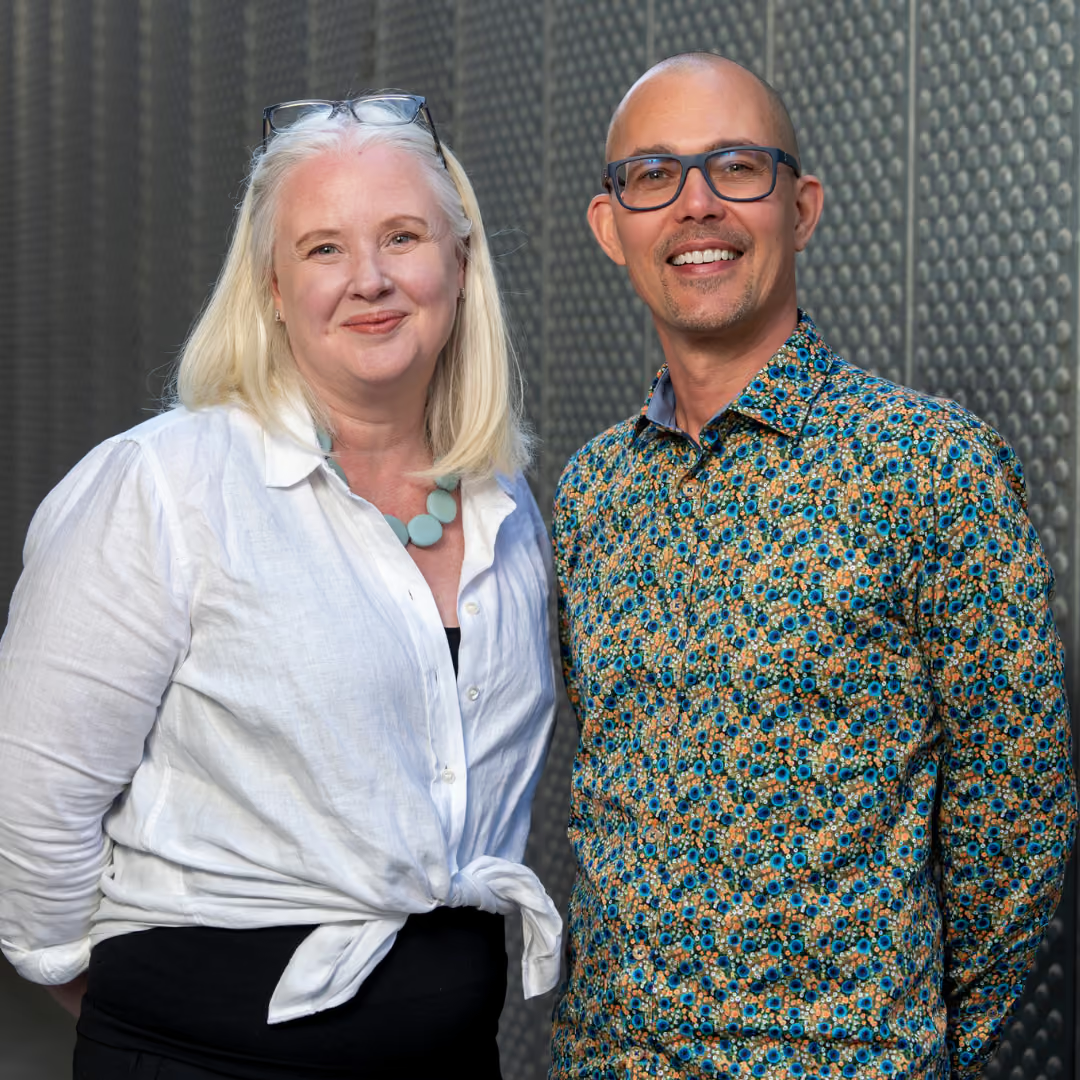
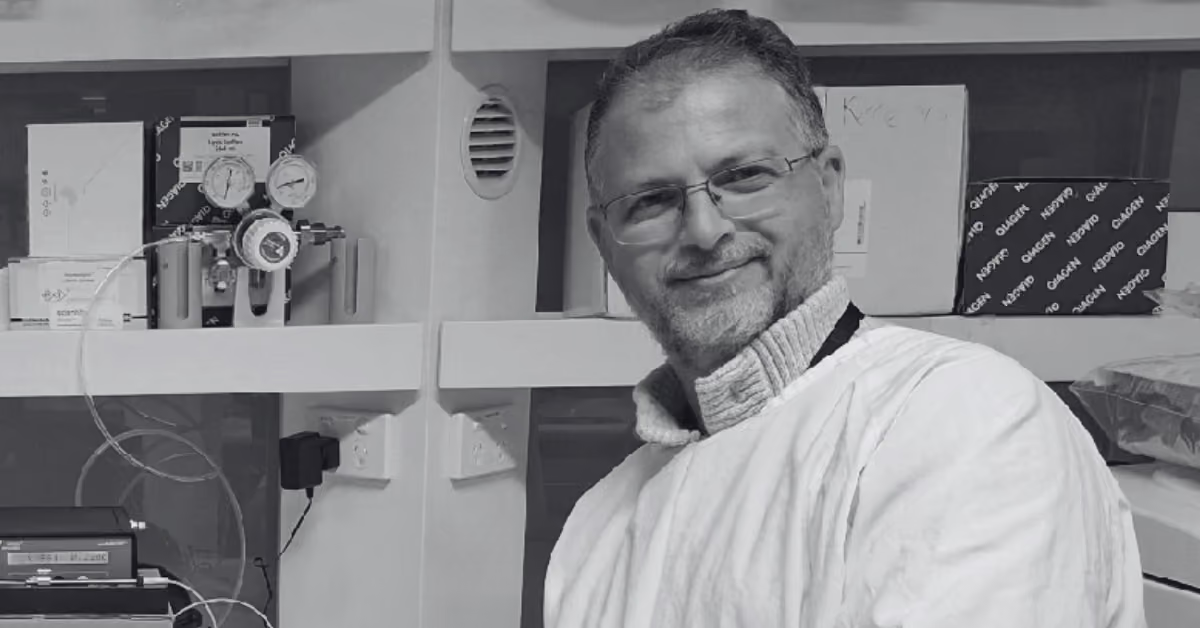
This is the incredible story of how three Australian scientists, working together over more than 25 years, achieved what has been described as one of the holy grails of stem cell science: creating a human blood stem cell.
Many watching on believed they’d never do it, so protracted was the painstaking process.
It’s a tale of how the immense sophistication and enduring mystery of human development was not only unpacked and understood by this dedicated trio, but astonishingly, they replicated one of its most complex processes in a petri dish.
It took decades for the feat to be achieved as stem cell science advanced. Now the groundbreaking work of MCRI researchers Professors Ng, Andrew Elefanty and Ed Stanley is moving towards human application.
For some critically ill cancer patients, human blood stem cell infusion is likely in future to take the place of bone-marrow transplants for patients who lack a perfectly matched donor. The technology may be able to correct genetic defects in blood stem cell development which cause disease. And a wide array of immune clinical applications may open up in future.
This kind of revolutionary science was not even in the imagination of Dame Elisabeth Murdoch and pediatrician David Danks when they teamed up to create the MCRI 40 years ago when many children with severe conditions and disability never received a diagnosis.
The advance of science has been dizzying since the creation of the world-leading institute.
The 40th anniversary of the MCRI will be celebrated at a special event in Melbourne later this month.
For the past 13 years, Professors Ng, Elefanty and Stanley have worked side by side in the MCRI, their earlier work having been done at WEHI (formerly the Walter and Eliza Hall Institute) and Monash University.
Just down the corridor at the MCRI, which is co-located with the Children’s Hospital Melbourne, colleagues were achieving other incredible advances in stem cell science, leading the world in creating tiny kidney organoids and using stem cells to create miniature heart tissues which in future will be able to regenerate the hearts of children with congenital defects.
It’s not hard to see how the quest of replicating a cell as powerful as a human blood stem cell – so it could be used as a therapy – could become a scientist’s obsession.
Blood stem cells hold particular fascination for those immersed in the study of developmental biology and regenerative medicine. They are regeneration personified: rare cells that originate from a population of pluripotent stem cells, living inside the bone marrow and constantly renewing and replacing the body’s entire blood system throughout a lifetime. This continuous, lifelong process of creating new blood cells is known as haematopoiesis.
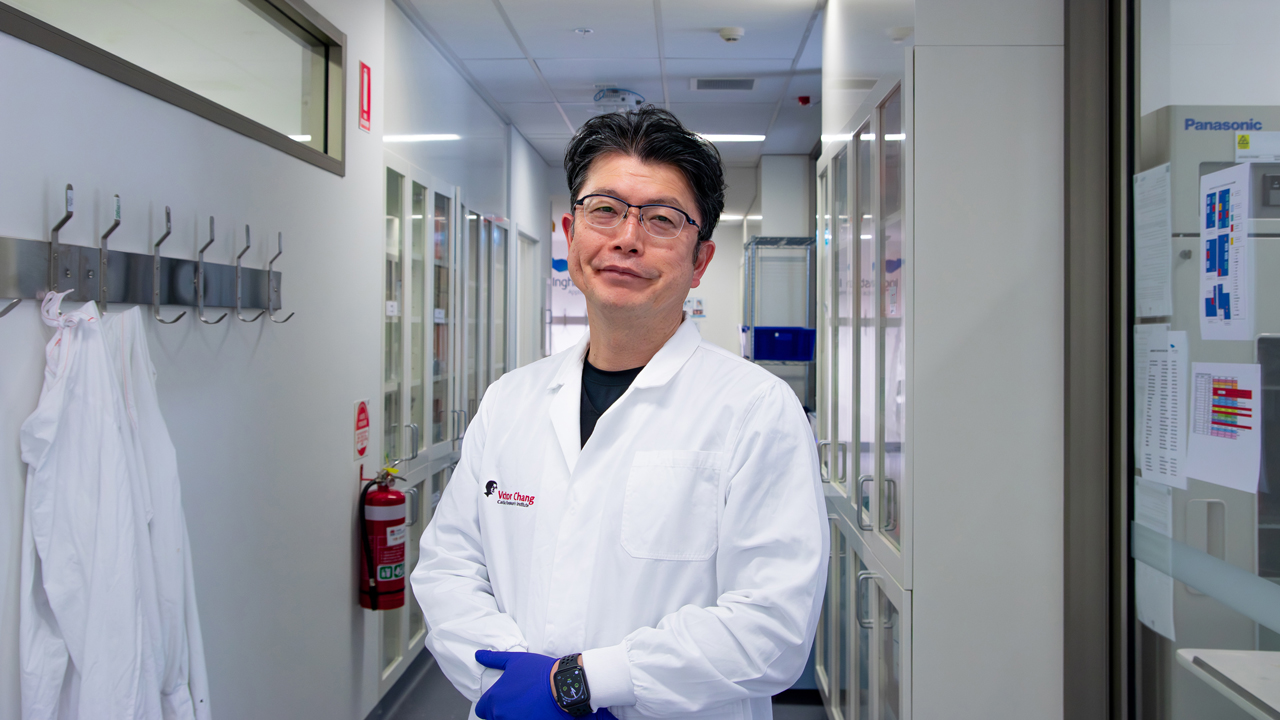
“Blood stem cells are very tricky, very rare in humans and very hard to make,” says Professor Elefanty.
“The hurdles in overcoming the complexities of dealing with the blood system were at the point where people were thinking, ‘well, maybe it’s just too hard’.
“We had to pretty much discover everything. We had to develop all the techniques to grow and handle and look after the pluripotent stem cells, and then we had to understand how to get the cells to recapitulate or walk the same path that they would normally do during human development.”
That meant starting with a completely clean medium within the test tube so the scientists could carefully control how the pluripotent stem cells differentiate, or turn into other kinds of cells, to closely replicate the first weeks of human life.
In the earliest stages of development, the embryo divides into three sections. The middle section – known as the mesoderm – becomes the blood, heart and skeleton. Highly complex processes regulate the positioning of the embryo and how cells differentiate, including an array of crucial genetic “switches”, the role of cell-signalling molecules known as growth factors, and an enormous number of cell-membrane associated proteins that in concert determine the type of tissue a cell will become.
These are all the factors that the scientists needed to control within the test tube to make the pluripotent stem cells differentiate into the cells they sought to create: blood stem cells.
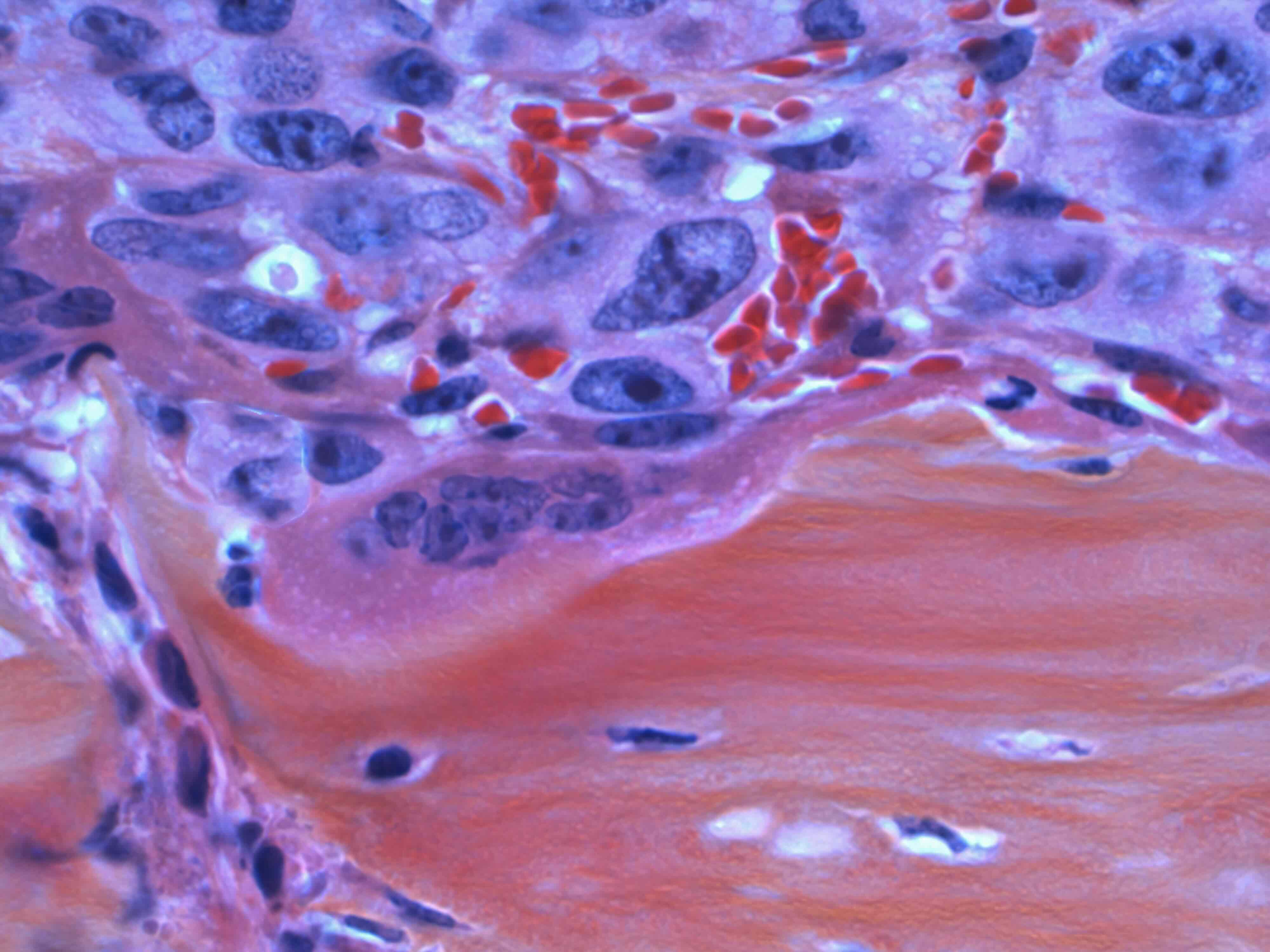
Early work did not advance the developmental clock far enough. When the scientists initially infused their petri dishes of pluripotent stem cells with growth factors they hypothesised would trigger the cells to begin making the body’s earliest tissues, the cells proceeded to do what they did first in the earliest life. They created the embryo’s earliest form of blood which is contained in the yolk sac.
“This blood forms very early in development and its job is just to keep the embryo alive,” says Professor Ng. “Its job is not to make stem cells. But the first blood that the structures in our dish wanted to make was the blood in the yolk sac, because that’s the human developmental clock. The first blood that contains stem cells arises inside the embryo in the region near the developing kidney, called the aorta-gonad-mesonephros. So we had to figure out how to make blood that came from within there.”
The scientists did this by switching on genes from a crucial family known as HOXA genes, by delivering certain growth factors inside the test tube.
Their special cocktail of growth factors delivered instructions for the mesoderm tissue to be turned into the crucial tissue they needed: blood-forming endothelium located in the embryonic aorta. It was the key to the creation of the team’s early blood stem cells.
But it took another eight years for the early blood stem cells that were created to be perfected.
“We had to show that the blood cells that we made could reconstitute the blood cells of a mouse the same way that cells that are currently used clinically, from the bone marrow or from the umbilical cord, can do that,” Professor Elefanty said.
Proof of concept was when mice were injected with the scientists’ frozen-then-thawed stem cell blood, and that stem cell blood made its way into the animals’ bone marrow and engrafted there, “like setting down the roots of plant” to become production factories.
After many years of taking drops of blood from the mice, and seeing no human blood cells in the samples, finally in 2020 came the moment of elation.
“All of a sudden we saw there were a whole lot of human blood cells in the mice,” Dr Elefanty says. “That was the real eureka moment.”
The work of the scientists would not have been possible without support over the years from the National Health and Medical Research Council Australia, the Medical Research Future Fund, the Australian Research Council special centre for stem cells (Stem Cells Australia), Maddy Riewoldt’s Vision, philanthropic support from the Stafford Fox Medical Research Foundation, the NovoNordisk Foundation, and Hearts and Minds Investments as well as industry support from CSL Innovations, and recently from Retro Biosciences Inc and the Royal Children’s Hospital Foundation.
Human trials are now in train for the crucial step before the scientists’ blood stem cell invention can be used clinically.
Treatment of patients with bone-marrow failure, and the avoidance of immune suppression required for donor bone-marrow transplants are the likely first applications of the technology, but the scope for clinical use is wide, including for patients with leukaemia.
“Because these are blood stem cells, they can make every other mature blood cell type,” Professor Elefanty says. “So they can go on and make cells like neutrophils, red blood cells, platelets, B cells, T cells and macrophages that also have therapeutic uses.
“So we are now potentially opening up a new field of therapy, firstly for making stem cells and other blood lineages for transplantation. Excitingly, we are also working to correct genetic defects in blood cell development and make a new, corrected blood system for patients.”
This article was originally posted by The Austalian here.
Licensed by Copyright Agency. You must not copy this work without permission.