Is anyone brave or stupid enough to bet against America?

Stock pickers have been punished for betting against the US. The choice between consensus and contrarianism on American exceptionalism is now harder than ever.
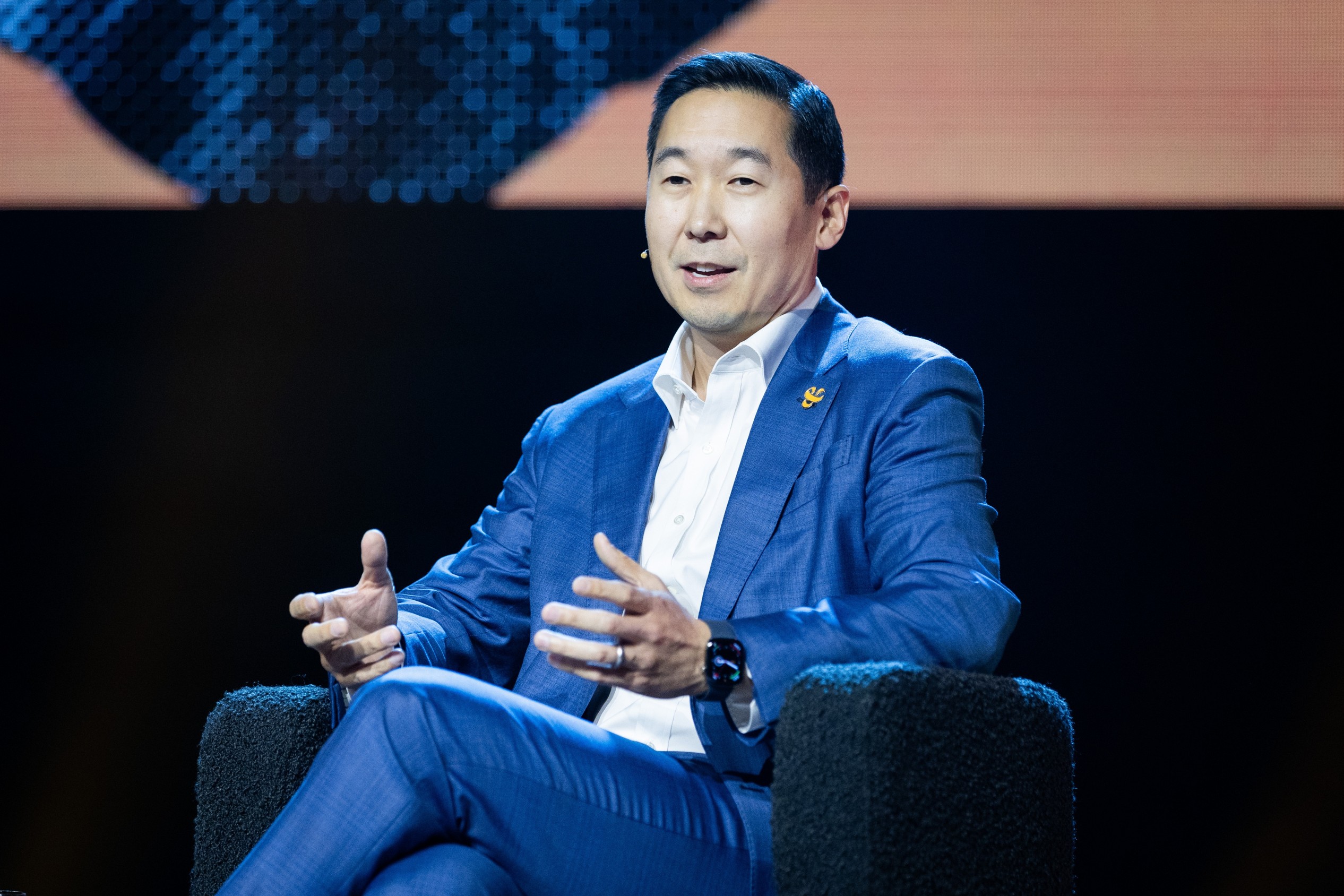
Wall Street legend Howard Marks told the Sohn event that US exceptionalism would endure. Picture: Ben Searcy

Jonathan Shapiro

Is anyone brave or stupid enough to bet against America?

November 17, 2024
Stock pickers have been punished for betting against the US. The choice between consensus and contrarianism on American exceptionalism is now harder than ever.
Read Transcript

The media is accused of having many biases and one which we have to come clean on is active investment management. Readers want ideas, opinions, trades and stock tips and it is active fund managers, not passive funds, that possess them.

‍

The data, however, is less kind. A Morningstar active versus passive barometer published last week showed that most funds managing Australian large cap and global stocks could not beat passive funds over 10 years. Small caps are the exception where active funds succeed.

‍

The lure of the stock picker was on full display in Adelaide last week as the Sohn Hearts & Minds philanthropic investment conference rolled into town.

‍

The event, which involves a dozen fund managers pitching their best stock tips, is as close to a live sporting event as the investment industry gets.

‍

Ironically, one of the more compelling tips was to buy a struggling asset manager. Chris Kourtis from Ellerston’s big idea was to buy Perpetual, the once proud investment firm that has come unstuck due to a capital-destroying spending spree.

‍

The pitch from Kourtis is that once Perpetual offloads its wealth management and corporate trust units, shareholders will be paid about $1 billion. They will also own shares in a global funds management firm with $212 billion of assets that generates around $230 million of earnings.

‍

Kourtis is factoring in an earnings decline of about 10 per cent if the trend of client outflows persists. But even then, the current share price implies an enterprise valuation of just four times earnings – around a 70 per cent discount to its peer group.

‍

Perpetual’s problem isn’t performance. Most of the funds it owns are actually delivering returns about their benchmark. Rather, it’s a combination of industry trends, an overburdened balance sheet, and poor cost control that has led the market to abandon it.

‍

The problems at Perpetual were a topic of chatter in the high-end pubs of Hobart when the city hosted the 2022 stock-picking festival. Back then, ASX-listed hedge fund manager Regal made an audacious bid for Perpetual that was rejected by the board on valuation grounds, and killed off by a court ruling.

‍

Funds management history is being rewritten, but not by Perpetual. Once again, the common force is Regal, and this time, the target is Platinum Asset Management.

‍

Platinum’s board in September rejected an offer tabled by Regal. We are now waiting for an improved deal and there is substantial speculation that there are other parties running the ruler over Platinum. As yet, no one else has shown their hand.

‍

Platinum’s issues are well documented and long-standing. The firm was founded in 1994 by Kerr Neilson, a funds management Hall of Famer. The global equities firm was a pioneer in convincing Australians to invest more of their savings internationally. But its clients are deserting it, meaning earnings and funds under management are in decline and its share price has followed.

‍

The heart of its problem has been performance. Platinum was well positioned after the 2008 global financial crisis (and could have done even better if it had not closed out short bets against US banks at the worst time).

It piled into cheap US stocks in the aftermath. But for the last decade or so, its value-investing philosophy has enticed it to own more stocks in China and Europe.

‍

Put simply, it has bet against America, and that has not paid off. The last decade has been defined as a period of American exceptionalism as its economy has outpaced all other markets.

‍

Barclays economist Ajay Rajadhyaksha points out that more than 15 years ago, the European and US economies were roughly equal in size. Now America is double the size and leads the way in energy, finance and technology.

That’s been amplified in the stockmarket where US tech giants have powered gains.

‍

And in the 16 years since the global financial crisis, the combined share of the global market index of Europe and Japan has halved from 39 to 20 per cent while the US has grown to account for two-thirds.

‍‍

Passive beating active

‍The trend has accelerated this year. In the first six months of the year, the US market accounted for 75 per cent of global stockmarket returns, according to Aubrey Capital Management. Chipmaker Nvidia was half the market return.

‍

The Morningstar report reveals the woes of active managers are most profound in global strategies offered in Australia. Only 22 per cent of managers have beaten passive funds over five years, and 24 per cent over 10 years.

‍

The main reason for this is the dominance of US stocks, and in particular the so-called magnificent seven technology stocks.

‍

Platinum chief executive Jeff Peters explained to shareholders why it trailed the global shares benchmark: an overweight bet on Chinese stocks, which despite a recent rally have had a shocking time; an underweight bet on US tech; and holding too much cash in a rising market. (Platinum has tried to argue it should be judged against a more diversified equal-weight index.)

‍

The question is what to do now. Platinum’s new director and former portfolio manager, James Simpson, told shareholders that the firm’s turnaround was largely about fixing performance.

‍

‍Double down or quit?

‍But Platinum’s analysts to their credit and their detriment have obeyed their value-driven process, which he described “as pure as the driven snow”.

‍

What is needed, he says, is more flexibility. That seems to translate to investing in a way that is more sensitive to what’s in the benchmark Platinum is trying to beat. Surely that means putting more US stocks into the portfolio?

‍

Events would suggest that is logical. Donald Trump’s election victory has elicited a sense of euphoria among global investors that the US economy and its sharemarket will power further ahead. Meanwhile, his stance on trade suggests more of that growth will come at the expense of other markets.

‍

The sentiment was captured by hedge fund manager Bill Ackman, who told his 2 million social media followers that the US business community “is giddy with excitement”.

‍

“China’s economy is in trouble. Europe’s is a mess. The US has now become by far the best country for investment. Growth is about to explode.”

‍

So, is it time for investors to double down on the US? Wall Street legend Howard Marks told the Sohn event that US exceptionalism would endure. But the catch is that it’s largely in the price. The market believes in the US story and that means valuations have become more stretched.

‍

European and Chinese stocks by contrast are beaten up and in the bargain bin, ready for contrarians to climb in. And a handful of stocks pitched at Sohn suggested some are ready: among them were Chinese domestic equity plays Tencent Music and DiDi, a Spanish telco tower operator (Cellnex), and a European aircraft maker (Airbus) banking on Chinese growth.

‍

It is counter consensus but could now be the time to walk back US stock bets? Platinum has thought so for a while, and been wrong. Arguably the biggest call global stock pickers, wealth managers and superannuation’s investment captains can make is whether to double down or quit on American exceptionalism.

‍

This article was originally posted by The Australian Financial Review here.

Licensed by Copyright Agency. You must not copy this work without permission.

‍

Disclaimer: This material has been prepared by The Australian Financial Review, published on 17 November 2024. HM1 is not responsible for the content of linked websites or content prepared by third party. The inclusion of these links and third-party content does not in any way imply any form of endorsement by HM1 of the products or services provided by persons or organisations who are responsible for the linked websites and third-party content. This information is for general information only and does not consider the objectives, financial situation or needs of any person. Before making an investment decision, you should read the relevant disclosure document (if appropriate) and seek professional advice to determine whether the investment and information is suitable for you.
The media is accused of having many biases and one which we have to come clean on is active investment management. Readers want ideas, opinions, trades and stock tips and it is active fund managers, not passive funds, that possess them.

‍

The data, however, is less kind. A Morningstar active versus passive barometer published last week showed that most funds managing Australian large cap and global stocks could not beat passive funds over 10 years. Small caps are the exception where active funds succeed.

‍

The lure of the stock picker was on full display in Adelaide last week as the Sohn Hearts & Minds philanthropic investment conference rolled into town.

‍

The event, which involves a dozen fund managers pitching their best stock tips, is as close to a live sporting event as the investment industry gets.

‍

Ironically, one of the more compelling tips was to buy a struggling asset manager. Chris Kourtis from Ellerston’s big idea was to buy Perpetual, the once proud investment firm that has come unstuck due to a capital-destroying spending spree.

‍

The pitch from Kourtis is that once Perpetual offloads its wealth management and corporate trust units, shareholders will be paid about $1 billion. They will also own shares in a global funds management firm with $212 billion of assets that generates around $230 million of earnings.

‍

Kourtis is factoring in an earnings decline of about 10 per cent if the trend of client outflows persists. But even then, the current share price implies an enterprise valuation of just four times earnings – around a 70 per cent discount to its peer group.

‍

Perpetual’s problem isn’t performance. Most of the funds it owns are actually delivering returns about their benchmark. Rather, it’s a combination of industry trends, an overburdened balance sheet, and poor cost control that has led the market to abandon it.

‍

The problems at Perpetual were a topic of chatter in the high-end pubs of Hobart when the city hosted the 2022 stock-picking festival. Back then, ASX-listed hedge fund manager Regal made an audacious bid for Perpetual that was rejected by the board on valuation grounds, and killed off by a court ruling.

‍

Funds management history is being rewritten, but not by Perpetual. Once again, the common force is Regal, and this time, the target is Platinum Asset Management.

‍

Platinum’s board in September rejected an offer tabled by Regal. We are now waiting for an improved deal and there is substantial speculation that there are other parties running the ruler over Platinum. As yet, no one else has shown their hand.

‍

Platinum’s issues are well documented and long-standing. The firm was founded in 1994 by Kerr Neilson, a funds management Hall of Famer. The global equities firm was a pioneer in convincing Australians to invest more of their savings internationally. But its clients are deserting it, meaning earnings and funds under management are in decline and its share price has followed.

‍

The heart of its problem has been performance. Platinum was well positioned after the 2008 global financial crisis (and could have done even better if it had not closed out short bets against US banks at the worst time).

It piled into cheap US stocks in the aftermath. But for the last decade or so, its value-investing philosophy has enticed it to own more stocks in China and Europe.

‍

Put simply, it has bet against America, and that has not paid off. The last decade has been defined as a period of American exceptionalism as its economy has outpaced all other markets.

‍

Barclays economist Ajay Rajadhyaksha points out that more than 15 years ago, the European and US economies were roughly equal in size. Now America is double the size and leads the way in energy, finance and technology.

That’s been amplified in the stockmarket where US tech giants have powered gains.

‍

And in the 16 years since the global financial crisis, the combined share of the global market index of Europe and Japan has halved from 39 to 20 per cent while the US has grown to account for two-thirds.

‍‍

Passive beating active

‍The trend has accelerated this year. In the first six months of the year, the US market accounted for 75 per cent of global stockmarket returns, according to Aubrey Capital Management. Chipmaker Nvidia was half the market return.

‍

The Morningstar report reveals the woes of active managers are most profound in global strategies offered in Australia. Only 22 per cent of managers have beaten passive funds over five years, and 24 per cent over 10 years.

‍

The main reason for this is the dominance of US stocks, and in particular the so-called magnificent seven technology stocks.

‍

Platinum chief executive Jeff Peters explained to shareholders why it trailed the global shares benchmark: an overweight bet on Chinese stocks, which despite a recent rally have had a shocking time; an underweight bet on US tech; and holding too much cash in a rising market. (Platinum has tried to argue it should be judged against a more diversified equal-weight index.)

‍

The question is what to do now. Platinum’s new director and former portfolio manager, James Simpson, told shareholders that the firm’s turnaround was largely about fixing performance.

‍

‍Double down or quit?

‍But Platinum’s analysts to their credit and their detriment have obeyed their value-driven process, which he described “as pure as the driven snow”.

‍

What is needed, he says, is more flexibility. That seems to translate to investing in a way that is more sensitive to what’s in the benchmark Platinum is trying to beat. Surely that means putting more US stocks into the portfolio?

‍

Events would suggest that is logical. Donald Trump’s election victory has elicited a sense of euphoria among global investors that the US economy and its sharemarket will power further ahead. Meanwhile, his stance on trade suggests more of that growth will come at the expense of other markets.

‍

The sentiment was captured by hedge fund manager Bill Ackman, who told his 2 million social media followers that the US business community “is giddy with excitement”.

‍

“China’s economy is in trouble. Europe’s is a mess. The US has now become by far the best country for investment. Growth is about to explode.”

‍

So, is it time for investors to double down on the US? Wall Street legend Howard Marks told the Sohn event that US exceptionalism would endure. But the catch is that it’s largely in the price. The market believes in the US story and that means valuations have become more stretched.

‍

European and Chinese stocks by contrast are beaten up and in the bargain bin, ready for contrarians to climb in. And a handful of stocks pitched at Sohn suggested some are ready: among them were Chinese domestic equity plays Tencent Music and DiDi, a Spanish telco tower operator (Cellnex), and a European aircraft maker (Airbus) banking on Chinese growth.

‍

It is counter consensus but could now be the time to walk back US stock bets? Platinum has thought so for a while, and been wrong. Arguably the biggest call global stock pickers, wealth managers and superannuation’s investment captains can make is whether to double down or quit on American exceptionalism.

‍

This article was originally posted by The Australian Financial Review here.

Licensed by Copyright Agency. You must not copy this work without permission.

‍

Disclaimer: This material has been prepared by The Australian Financial Review, published on 17 November 2024. HM1 is not responsible for the content of linked websites or content prepared by third party. The inclusion of these links and third-party content does not in any way imply any form of endorsement by HM1 of the products or services provided by persons or organisations who are responsible for the linked websites and third-party content. This information is for general information only and does not consider the objectives, financial situation or needs of any person. Before making an investment decision, you should read the relevant disclosure document (if appropriate) and seek professional advice to determine whether the investment and information is suitable for you.
Disclaimer: This material has been prepared by Australian Financial Review, published on November 17, 2024. HM1 is not responsible for the content of linked websites or content prepared by third party. The inclusion of these links and third-party content does not in any way imply any form of endorsement by HM1 of the products or services provided by persons or organisations who are responsible for the linked websites and third-party content. This information is for general information only and does not consider the objectives, financial situation or needs of any person. Before making an investment decision, you should read the relevant disclosure document (if appropriate) and seek professional advice to determine whether the investment and information is suitable for you.
facebook
linkedin
All
Thank you! Your submission has been received!
Oops! Something went wrong while submitting the form.
Isaac Kim at the Sohn Hearts & Minds Conference in Queenstown.Isaac Kim at the Sohn Hearts & Minds Conference in Queenstown.Isaac Kim at the Sohn Hearts & Minds Conference in Queenstown.Isaac Kim at the Sohn Hearts & Minds Conference in Queenstown.
November 6, 2026

Anthropic investor warns of AI bubble

Anthropic investor warns of a potential AI bubble amid growing concerns over valuations.

Read More
EFM's John Wylie at the Sohn Hearts & Minds Conference in Queenstown.EFM's John Wylie at the Sohn Hearts & Minds Conference in Queenstown.EFM's John Wylie at the Sohn Hearts & Minds Conference in Queenstown.EFM's John Wylie at the Sohn Hearts & Minds Conference in Queenstown.
November 6, 2026

SOHN H&M: EFM's John Wylie picks Nvidia

EFM's John Wylie pitches Nvidia at Sohn Hearts & Minds 2026.

Read More
EFM's John Wylie at the Sohn Hearts & Minds Conference in Queenstown.EFM's John Wylie at the Sohn Hearts & Minds Conference in Queenstown.EFM's John Wylie at the Sohn Hearts & Minds Conference in Queenstown.EFM's John Wylie at the Sohn Hearts & Minds Conference in Queenstown.
November 6, 2026

Nvidia tipped at Sohn Hearts & Minds

Nvidia emerges as a stock pick at Sohn Hearts & Minds Conference 2026.

Read More
Indus Capital's John Pinkel at the Sohn Hearts & Minds Conference in Queenstown.Indus Capital's John Pinkel at the Sohn Hearts & Minds Conference in Queenstown.Indus Capital's John Pinkel at the Sohn Hearts & Minds Conference in Queenstown.Indus Capital's John Pinkel at the Sohn Hearts & Minds Conference in Queenstown.
November 6, 2026

SOHN H&M: Indus Capital's John Pinkel picks Kotobuki Spirits

Indus Capital's John Pinkel picks Kotobuki Spirits at Sohn Hearts & Minds 2026.

Read More
John Pinkel at the Sohn Hearts & Minds Conference in Queenstown.John Pinkel at the Sohn Hearts & Minds Conference in Queenstown.John Pinkel at the Sohn Hearts & Minds Conference in Queenstown.John Pinkel at the Sohn Hearts & Minds Conference in Queenstown.
November 6, 2026

SOHN | A stock pick going big in Japan

Sohn Hearts & Minds 2026 highlights Japanese investment opportunities, with fund managers backing stocks across the region

Read More
Todd Boehly of Eldridge at the Sohn Hearts & Minds Conference in Queenstown.Todd Boehly of Eldridge at the Sohn Hearts & Minds Conference in Queenstown.Todd Boehly of Eldridge at the Sohn Hearts & Minds Conference in Queenstown.Todd Boehly of Eldridge at the Sohn Hearts & Minds Conference in Queenstown.
November 6, 2026

SOHN H&M: 'There's going to be lots of distress', says Boehly

The Sohn Hearts & Minds corporate debt panel finished up some quick fire questions from moderator Tom Anglin. Here are some highlights.

Read More
Robert Mullin at the Sohn Hearts & Minds Conference in Queenstown.Robert Mullin at the Sohn Hearts & Minds Conference in Queenstown.Robert Mullin at the Sohn Hearts & Minds Conference in Queenstown.Robert Mullin at the Sohn Hearts & Minds Conference in Queenstown.
November 6, 2026

SOHN | Robert Mullin tips Harbour Energy

Marathon Resource Advisors founder and chief investment officer Robert Mullin tips Harbour Energy at the Sohn Hearts & Minds Investment Leaders conference in Queenstown. 

Read More
Robert Mullin at the Sohn Hearts & Minds Conference in QueenstownRobert Mullin at the Sohn Hearts & Minds Conference in QueenstownRobert Mullin at the Sohn Hearts & Minds Conference in QueenstownRobert Mullin at the Sohn Hearts & Minds Conference in Queenstown
November 6, 2026

SOHN H&M: Marathon's Robert Mullin picks Harbour Energy

Marathon Resource Advisors chief investment officer Robert Mullin has pitched London-listed oil and gas company Harbour Energy as his stock pick at Sohn, tipping the stock could nearly double in value.

Read More
Todd Boehly at the Sohn Hearts & Minds Conference in Queenstown.Todd Boehly at the Sohn Hearts & Minds Conference in Queenstown.Todd Boehly at the Sohn Hearts & Minds Conference in Queenstown.Todd Boehly at the Sohn Hearts & Minds Conference in Queenstown.
November 6, 2026

SOHN H&M: Boehly says tech giants have to figure AI funding

He says the world’s largest tech companies, or hyperscalers, will have to figure out how to finance the build out of artificial intelligence. 

Read More
Bob Sahota of Revolution Asset Management at the Sohn Hearts & Minds Conference in Queenstown.Bob Sahota of Revolution Asset Management at the Sohn Hearts & Minds Conference in Queenstown.Bob Sahota of Revolution Asset Management at the Sohn Hearts & Minds Conference in Queenstown.Bob Sahota of Revolution Asset Management at the Sohn Hearts & Minds Conference in Queenstown.
November 6, 2026

SOHN H&M: 'Year of reckoning' for private credit

Read More
Ravi Chopra at the Sohn Hearts & Minds Conference in Queenstown.Ravi Chopra at the Sohn Hearts & Minds Conference in Queenstown.Ravi Chopra at the Sohn Hearts & Minds Conference in Queenstown.Ravi Chopra at the Sohn Hearts & Minds Conference in Queenstown.
November 6, 2026

Ravi Chopra tips LPL Financial at Hearts & Minds

At Sohn Hearts & Minds, Azora Capital chief investment officer Ravi Chopra named Nasdaq listed LPL Financial as his top stock pick.

Read More
Andrew Curtayne at the Sohn Hearts & Minds Conference in Queenstown.Andrew Curtayne at the Sohn Hearts & Minds Conference in Queenstown.Andrew Curtayne at the Sohn Hearts & Minds Conference in Queenstown.Andrew Curtayne at the Sohn Hearts & Minds Conference in Queenstown.
November 6, 2026

SOHN H&M: Munro's Griffin 'still bullish' after tech rout

As Sohn Hearts & Minds investment conference kicked off in Queenstown, fund managers grappled with savage sell-off on Wall Street as investors rapidly dumped technology stocks, erasing trillions of dollars in market value.

Read More
Ravi Chopra at the Sohn Hearts & Minds Conference in Queenstown.Ravi Chopra at the Sohn Hearts & Minds Conference in Queenstown.Ravi Chopra at the Sohn Hearts & Minds Conference in Queenstown.Ravi Chopra at the Sohn Hearts & Minds Conference in Queenstown.
November 6, 2026

SOHN H&M: Azora's Chopra pitches LPL Financial

Azora Capital chief investment officer Ravi Chopra has pitched wealth manager LPL Financial as his stock pick for the Sohn Hearts & Minds conference.

Read More
Milford's Andrew Curtayne at the Sohn Hearts & Minds Conference in QueenstownMilford's Andrew Curtayne at the Sohn Hearts & Minds Conference in QueenstownMilford's Andrew Curtayne at the Sohn Hearts & Minds Conference in QueenstownMilford's Andrew Curtayne at the Sohn Hearts & Minds Conference in Queenstown
November 6, 2026

Milford's Curtayne tips ASML at Sohn

Milford portfolio manager Andrew Curtayne tips ASML at Sohn Hearts & Minds. 

Read More
Milford's Andrew Curtayne at the Sohn Hearts & Minds Conference in Queenstown.Milford's Andrew Curtayne at the Sohn Hearts & Minds Conference in Queenstown.Milford's Andrew Curtayne at the Sohn Hearts & Minds Conference in Queenstown.Milford's Andrew Curtayne at the Sohn Hearts & Minds Conference in Queenstown.
November 6, 2026

SOHN H&M: Milford's Curtayne pitches ASML as the 'future of AI'

Milford Asset Management’s Andrew Curtayne pitches Dutch chipmaker ASML at the Sohn Hearts & Minds investment conference,

Read More