Solving the genetic causes of autoimmune diseases

Mapping hundreds of risk markers to better understand how these diseases develop and progress

Solving the genetic causes of autoimmune diseases

July 1, 2026
Mapping hundreds of risk markers to better understand how these diseases develop and progress
Read Transcript

The challenge 

Autoimmune diseases affect around 10% of Australians and include more than 80 conditions in which the immune system incorrectly attacks the body’s own cells, leading to tissue damage and painful inflammation. Women are more commonly affected than men, representing 75% of cases, though the reasons for this remain unknown.

While autoimmune diseases often run in families, their genetic drivers are not well understood. Scientists have identified thousands of genetic risk markers, but for most, their biological function remains unclear.

Without this understanding, it is difficult to identify who is most at risk or to develop more precise and effective treatments.

The research

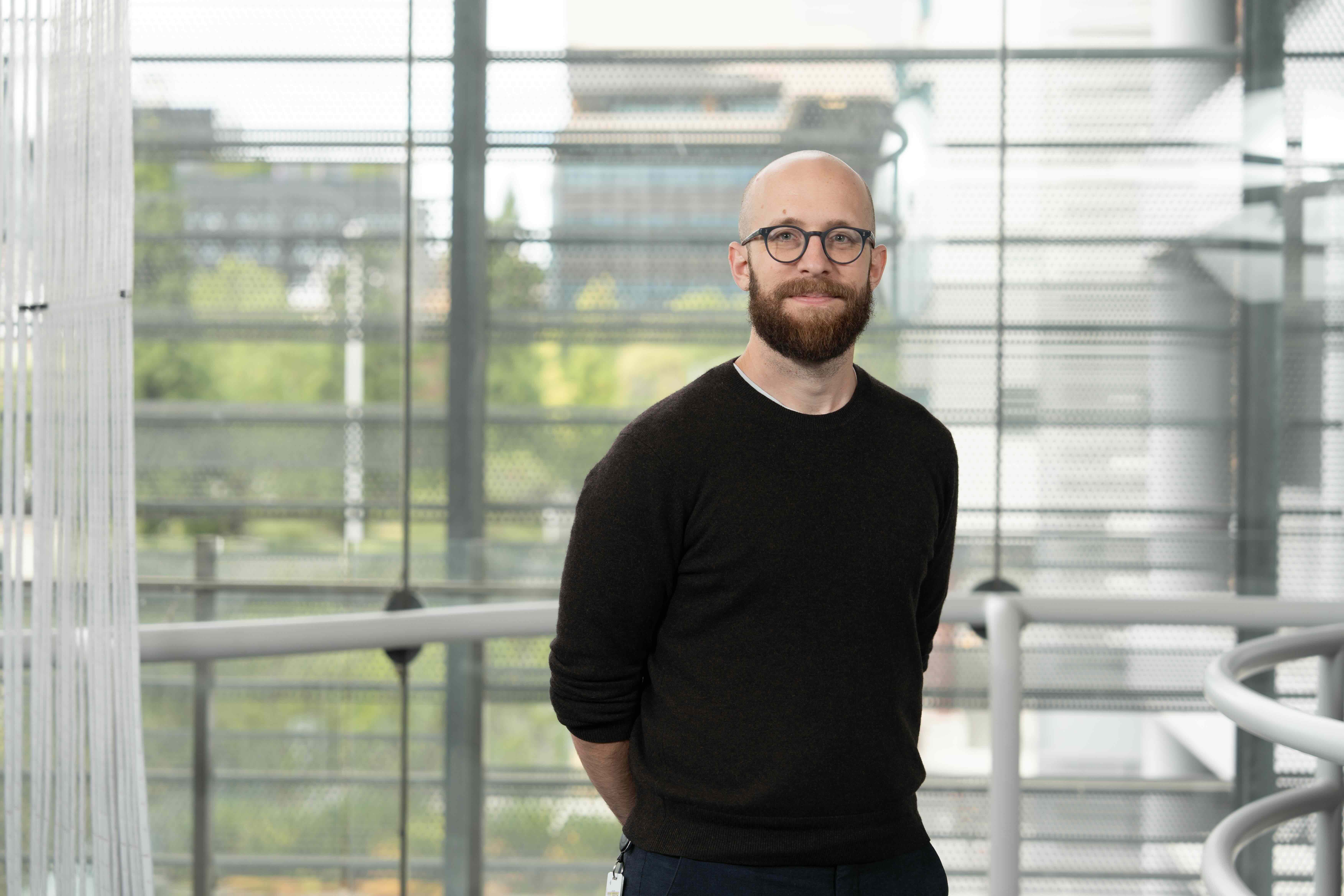
Dr Hamish King and his team at WEHI are taking a “disease agnostic” approach, studying the genetics of 30 common autoimmune diseases to identify new genes involved in autoimmune disease. Using this approach, the team has analysed nearly 800 autoimmune risk markers, generating important molecular insights into what drives these diseases and how they progress.

One example comes from lupus. Researchers found that a genetic variant increases the activity of a key immune gene called cRel, which may help to explain why some people are more likely to develop the disease. This finding highlights a potential therapeutic strategy: targeting cRel to slow or prevent disease progression.

Importantly, this is not an isolated case. Researchers have identified hundreds of similar discoveries across other autoimmune conditions.

The role of philanthropy

Hearts & Minds funding, as nominated by Munro Partners, has enabled this work to be scaled significantly, allowing researchers to study hundreds of risk markers rather than a small subset.

It has also supported the development of specialised molecular tools required for this type of research, positioning the King lab at WEHI as one of only a few laboratories globally capable of conducting this work in B cells - a cell type highly relevant to autoimmune disease that has proven very difficult to work with in the past. Importantly, more than 15 genes identified through this research are already being explored as potential therapeutic targets in drug development.

What this could unlock

Beyond identifying new treatment targets, this work is beginning to shift how autoimmune diseases may one day be understood and managed.

The findings could help support future approaches to identifying individuals at higher risk of developing autoimmune disease, opening the door to earlier detection and more proactive care. This study has also produced a molecular toolkit that can now be applied to other complex diseases, including cardiovascular disease and Parkinson’s Disease.

This project is supported by Hearts and Minds Investments, as nominated by Core Fund Manager,  Munro Partners. For further information and updates, visit WEHI.

The challenge 

Autoimmune diseases affect around 10% of Australians and include more than 80 conditions in which the immune system incorrectly attacks the body’s own cells, leading to tissue damage and painful inflammation. Women are more commonly affected than men, representing 75% of cases, though the reasons for this remain unknown.

While autoimmune diseases often run in families, their genetic drivers are not well understood. Scientists have identified thousands of genetic risk markers, but for most, their biological function remains unclear.

Without this understanding, it is difficult to identify who is most at risk or to develop more precise and effective treatments.

The research

Dr Hamish King and his team at WEHI are taking a “disease agnostic” approach, studying the genetics of 30 common autoimmune diseases to identify new genes involved in autoimmune disease. Using this approach, the team has analysed nearly 800 autoimmune risk markers, generating important molecular insights into what drives these diseases and how they progress.

One example comes from lupus. Researchers found that a genetic variant increases the activity of a key immune gene called cRel, which may help to explain why some people are more likely to develop the disease. This finding highlights a potential therapeutic strategy: targeting cRel to slow or prevent disease progression.

Importantly, this is not an isolated case. Researchers have identified hundreds of similar discoveries across other autoimmune conditions.

The role of philanthropy

Hearts & Minds funding, as nominated by Munro Partners, has enabled this work to be scaled significantly, allowing researchers to study hundreds of risk markers rather than a small subset.

It has also supported the development of specialised molecular tools required for this type of research, positioning the King lab at WEHI as one of only a few laboratories globally capable of conducting this work in B cells - a cell type highly relevant to autoimmune disease that has proven very difficult to work with in the past. Importantly, more than 15 genes identified through this research are already being explored as potential therapeutic targets in drug development.

What this could unlock

Beyond identifying new treatment targets, this work is beginning to shift how autoimmune diseases may one day be understood and managed.

The findings could help support future approaches to identifying individuals at higher risk of developing autoimmune disease, opening the door to earlier detection and more proactive care. This study has also produced a molecular toolkit that can now be applied to other complex diseases, including cardiovascular disease and Parkinson’s Disease.

This project is supported by Hearts and Minds Investments, as nominated by Core Fund Manager,  Munro Partners. For further information and updates, visit WEHI.

Disclaimer: This material has been prepared by Hearts & Minds, published on July 1, 2026. HM1 is not responsible for the content of linked websites or content prepared by third party. The inclusion of these links and third-party content does not in any way imply any form of endorsement by HM1 of the products or services provided by persons or organisations who are responsible for the linked websites and third-party content. This information is for general information only and does not consider the objectives, financial situation or needs of any person. Before making an investment decision, you should read the relevant disclosure document (if appropriate) and seek professional advice to determine whether the investment and information is suitable for you.

facebook
linkedin
All
Thank you! Your submission has been received!
Oops! Something went wrong while submitting the form.
February 14, 2023

Bringing Equity and Diversity to Genomic Medicine

Professor Daniel MacArthur, Director of the Centre for Population Genomics has big goals to bring equity and diversity into genomic medicine in Australia, something surprisingly inadequate presently.

Read More
September 6, 2022

VCCRI: 'Heart in a Box'

An Australian method of preserving donated hearts has boosted the number of successful transplants across the world, with new research demonstrating similar survival rates to traditional transplants.

Read More
February 24, 2022

Impact Video: Cerebral Palsy Alliance

This video features Professor Nadia Badawi AM, Professor Alistair McEwan, Paul Rayson and others discussing the incredible impact our partnership will have.

Read More
February 24, 2022

New Partnership with Cerebral Palsy Alliance

We’re excited to announce a new partnership with the Cerebral Palsy Alliance and are proud to be supporting this important research.

Read More
August 3, 2021

Australian breakthrough to stop heart arteries from clogging

Victor Chang scientist has led landmark research that has the potential to stop arteries of the heart from becoming clogged by targeting a particular gene.

Read More
October 12, 2020

Beneficiary Profile: Victor Chang

Cardiovascular disease is the number one cause of death globally and costs the Australian economy $12 billion each year. Every 12 minutes, one Australian dies from the disease. This is why the Victor Chang Cardiac Research Institute is dedicated to finding cures through their world class research.

Read More
September 23, 2020

Silent wave' of brain damage could follow pandemic

Australia urgently needs to prepare for a "silent wave" of COVID-19, which appears to be taking the form of long-term neurological side effects following infection with the virus.

Read More
September 8, 2020

Beneficiary Profile: Black Dog Institute

1 in 5 of us will experience symptoms of mental illness in any given year. In Australia that’s around 5 million people. And roughly 60% of these people won’t seek help. Learn what Black Dog is doing to create a mentally healthier world for everyone.

Read More
August 10, 2020

Beneficiary Profile: RPA Green Light

Emergency departments are the frontline of health care, with one in seven Australians seeking help from a hospital emergency department every year. Our medical staff depend on research findings to help inform their responses to urgent patient needs.

Read More
July 7, 2020

Beneficiary Profile: The Florey

Every year, 4.7 million Australians are diagnosed with one of the conditions that the Florey study. That's why they believe everyone has a stake in medical research.

Read More
June 9, 2020

Beneficiary Profile: Orygen

1 in 5 young people will have experienced a depressive episode by the time they are 18. With thanks to Cooper Investors and Hearts & Minds, we have been able to put youth mental health on the global agenda and progress our work in developing a global mental health framework.

Read More
November 22, 2019

Impact Video Series: Sydney Children's Hospital Foundation

We interviewed leading individuals from our beneficiaries to discuss the importance of medical research, their recent breakthroughs and the vital need for private funding.

Read More
May 29, 2019

Winning Hearts and Minds

Mark Nelson of Caledonia discusses his connection with the Florey Institute, one of our beneficiaries, and why he's involved with Hearts and Minds.

Read More