
The challenge
A spinal cord injury can happen in an instant, often through a road accident, fall or sporting injury. In Australia, roughly 21,000 people are living with a spinal cord injury, and there is currently no cure. Damage to the spinal cord can cause permanent paralysis, while also affecting sensation, bladder and bowel function, temperature regulation and, in some cases, breathing. The first hours after injury are critical. Treatments delivered during this window have the potential to reduce further damage, preserve function and improve a person's long-term independence and quality of life.
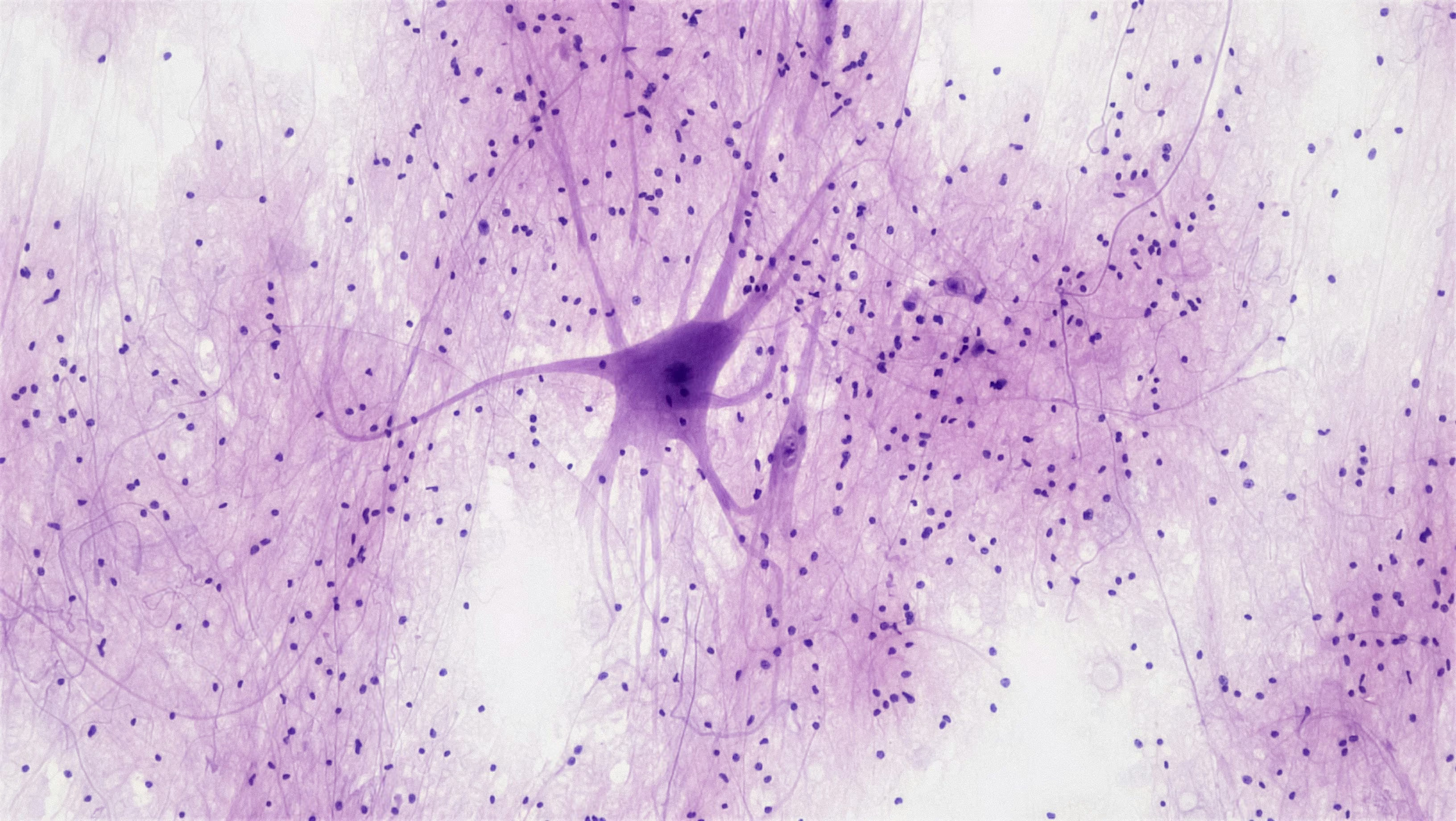
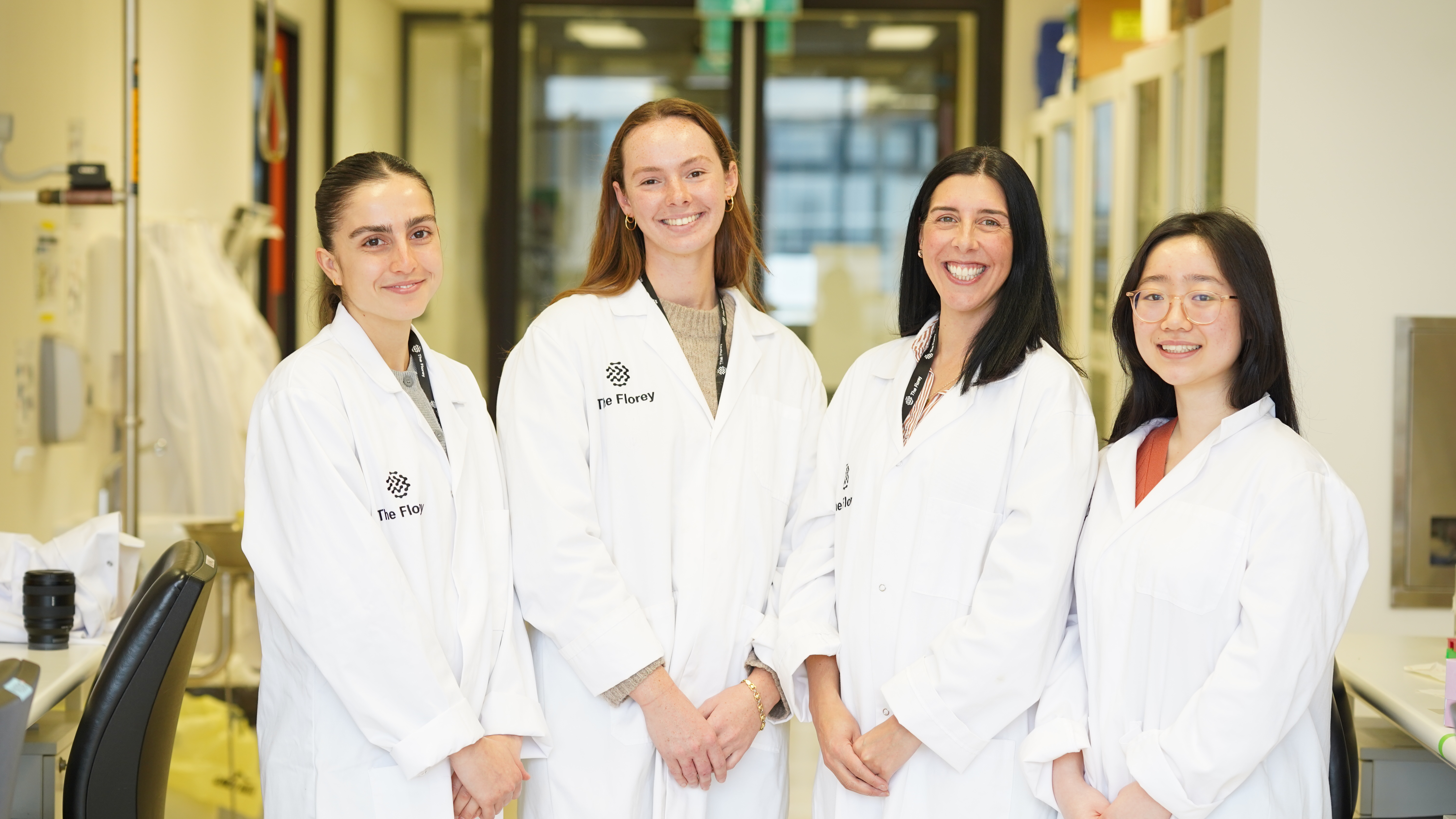
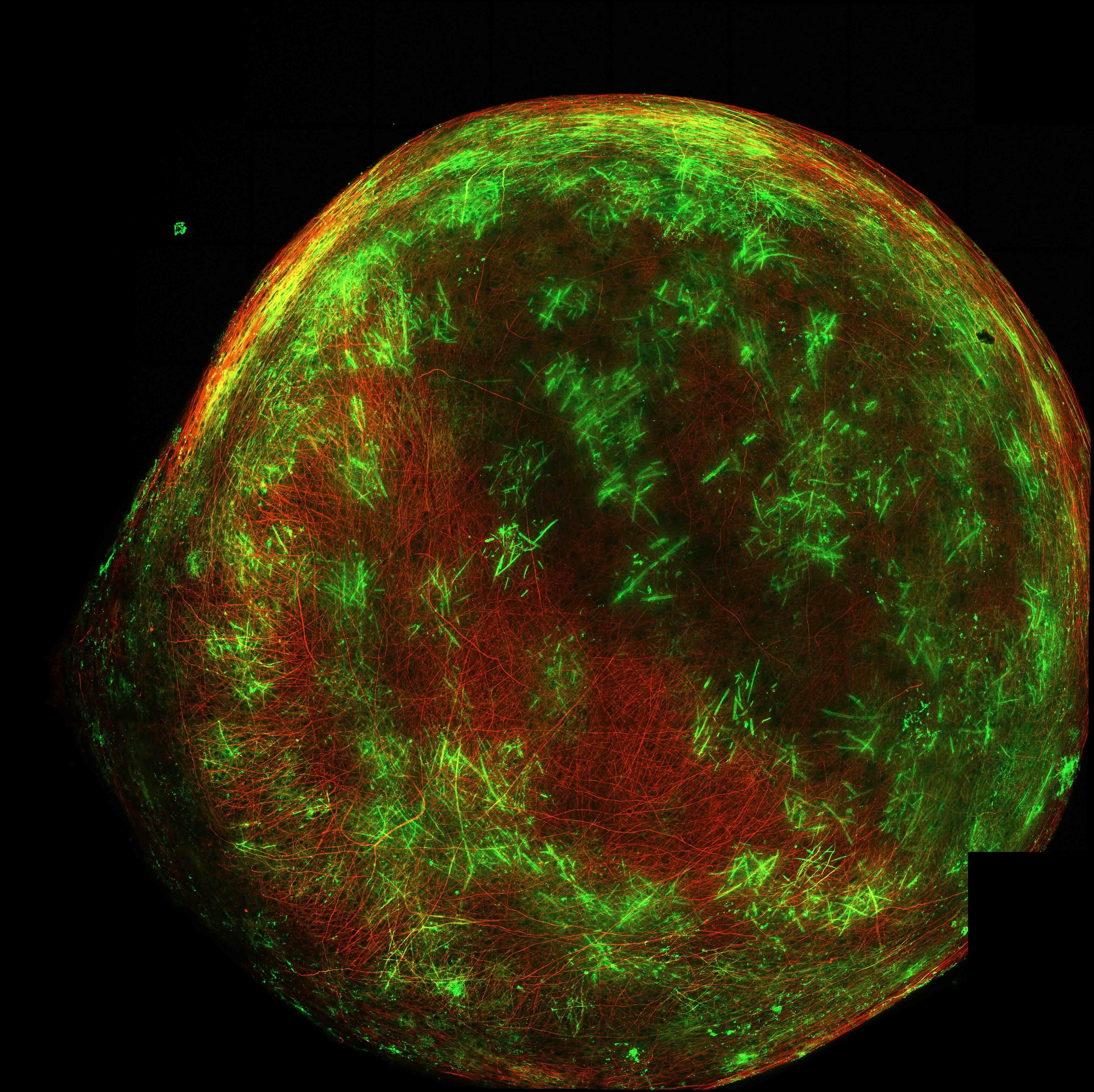
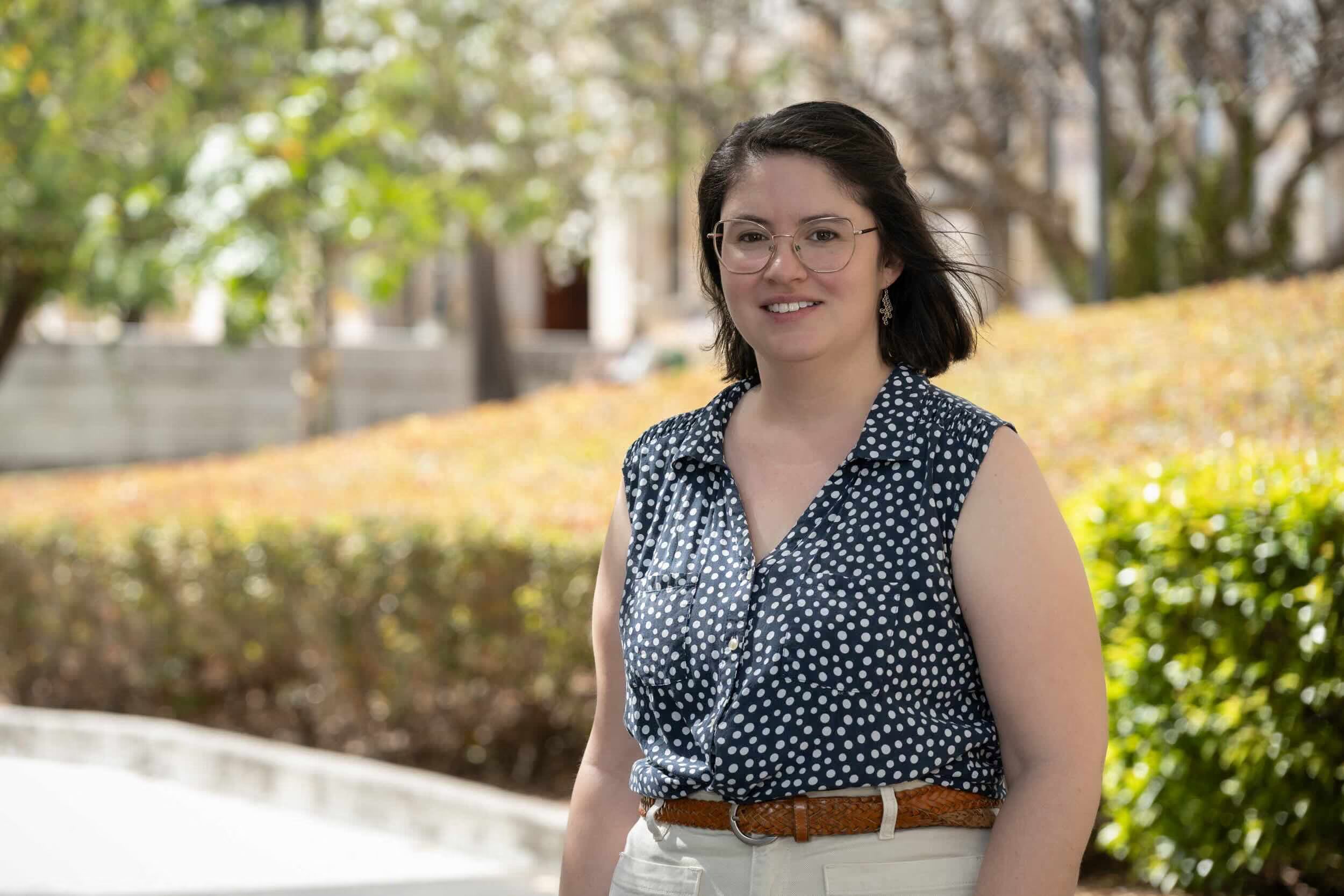
Dr Laura Grice is addressing this challenge by developing the world's first molecular map of spinal cord injury across time and injury levels. This research aims to uncover the biological responses that occur after injury and provide insights that could help guide future treatments.
The role of philanthropy
Hearts & Minds funding, as nominated by Caledonia, enables SpinalCure Australia (SpinalCure) to invest in Australia's highest-priority spinal cord injury research wherever the need is greatest.
This support contributes to SpinalCure's ability to fund and manage promising research projects, including Dr Laura Grice's work, while supporting the scientific leadership and collaboration needed to accelerate progress towards new treatments. The partnership also helps validate SpinalCure's research strategy, strengthening its ability to attract further support from government, corporate partners and major donors.
Early impact
Dr Grice's research has generated a unique dataset exploring how the body responds after spinal cord injury over time. Early findings are helping researchers understand why injuries in different parts of the spinal cord can lead to different recovery outcomes.
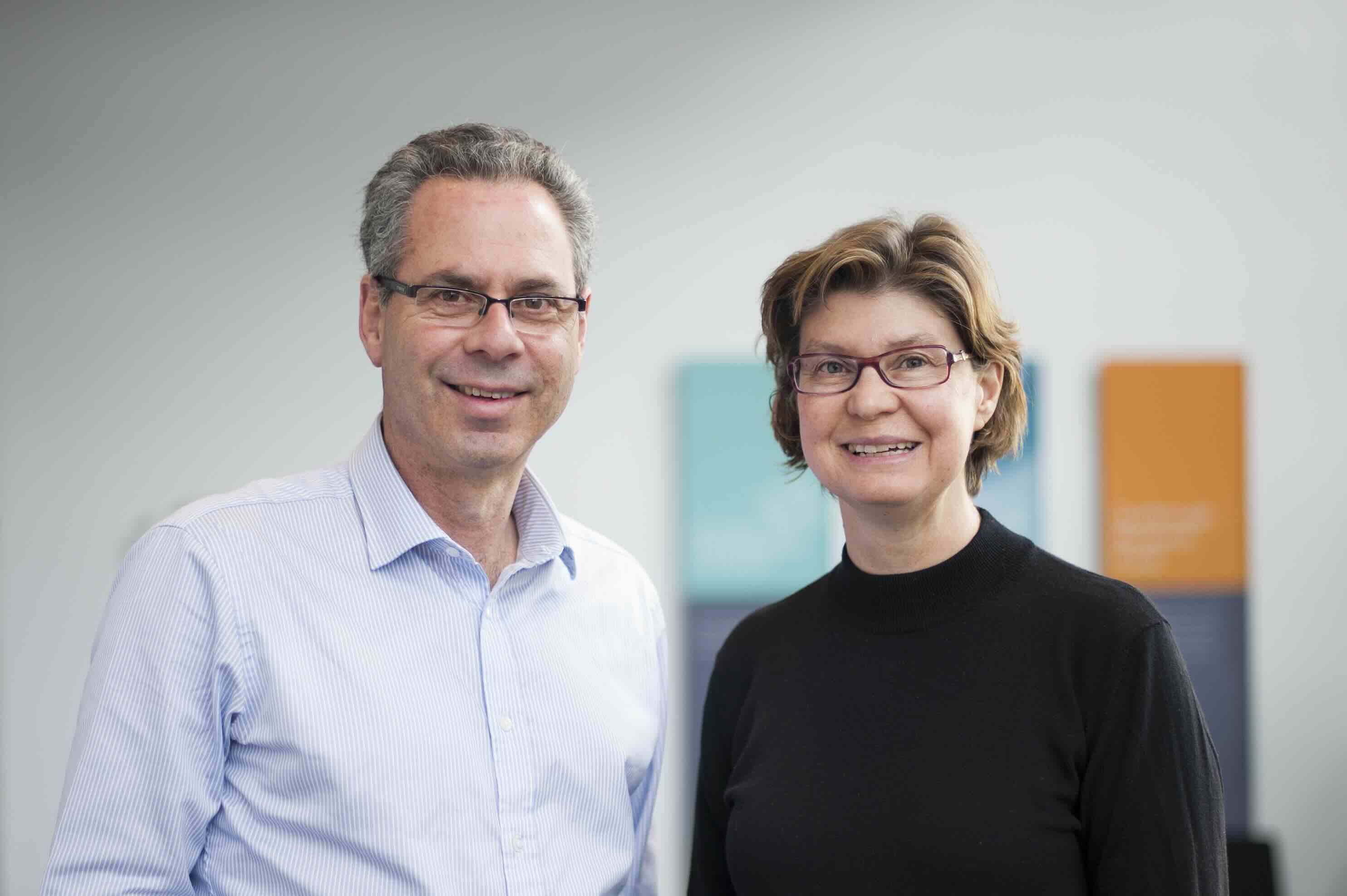
The research is also helping identify potential treatment pathways, including opportunities to use existing drugs in new ways. Earlier studies led by Professor Marc Ruitenberg, investigating intravenous immunoglobulin (IVIG), an existing medicine currently being explored for spinal cord injury, have shown encouraging signs that it may improve recovery when administered soon after injury. Further research is underway to better understand how IVIG works and which patients may benefit most.
Conor’s story
Conor Tweedy was 16 years old when he was injured in a scrum collapse on the rugby field. On admission to hospital with fractures at C4 and C5, he was treated with IVIG as part of a clinical trial run by Professor Marc Ruitenberg. While further critical studies are required, IVIG therapy has shown great potential as a treatment for spinal cord injury, particularly by controlling the inflammation that can cause additional damage in the first 24 hours after injury.
“I was happy for any chance I was going to get better. It was all positive. If there was a slight chance it was going to make me better, I was very happy about it,” Conor said.
Conor made remarkable progress and nine months later walked out of the hospital with minimal assistance. Today, he can walk around his home and live independently as an incomplete quadriplegic. He now only uses a wheelchair for longer trips and to play wheelchair rugby.
“If there is any small inkling that this might give a tiny amount of function back, it should get the full force of financial backing it needs,” said Conor.
What this could unlock
By revealing how different spinal cord injuries respond at a molecular level, this research is helping build the knowledge needed to develop more personalised treatments. For people like Conor, advances in spinal cord injury research represent the possibility of better recovery outcomes, greater independence and improved quality of life. As researchers continue exploring new treatment pathways, this work is helping move the field closer to a future where spinal cord injuries can be treated more effectively.
Funding support from Hearts & Minds, as nominated by Caledonia. This content was last updated in July 2026. For further information, visit SpinalCure Australia.