Understanding spinal cord injury recovery

The world's first molecular map of spinal cord injury across time and injury levels
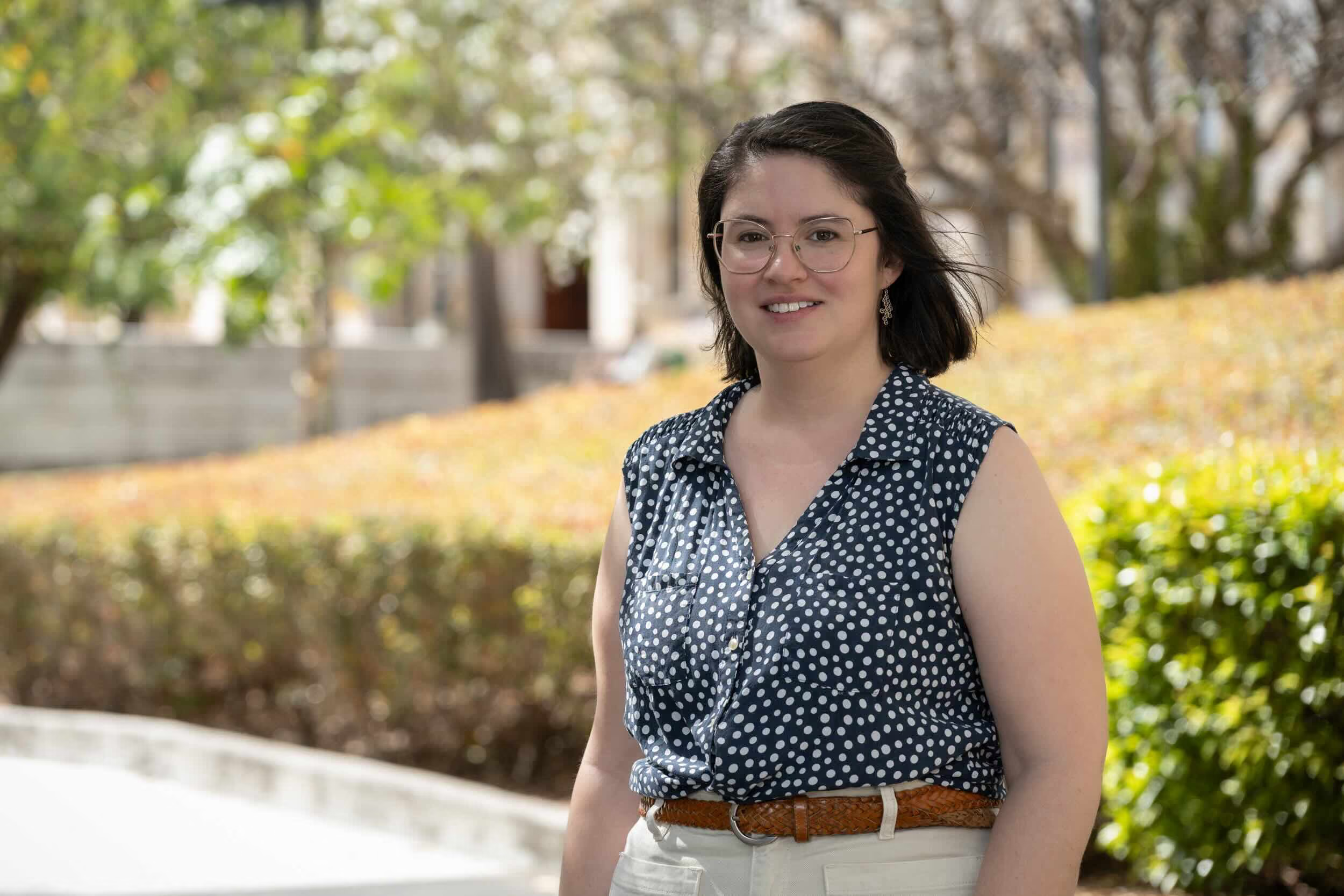
Picture: Dr Laura Grice, Lead Researcher

Understanding spinal cord injury recovery

July 1, 2026
The world's first molecular map of spinal cord injury across time and injury levels
Read Transcript

The challenge

A spinal cord injury can happen in an instant, often through a road accident, fall or sporting injury. In Australia, roughly 21,000 people are living with a spinal cord injury, and there is currently no cure. Damage to the spinal cord can cause permanent paralysis, while also affecting sensation, bladder and bowel function, temperature regulation and, in some cases, breathing. The first hours after injury are critical. Treatments delivered during this window have the potential to reduce further damage, preserve function and improve a person's long-term independence and quality of life.

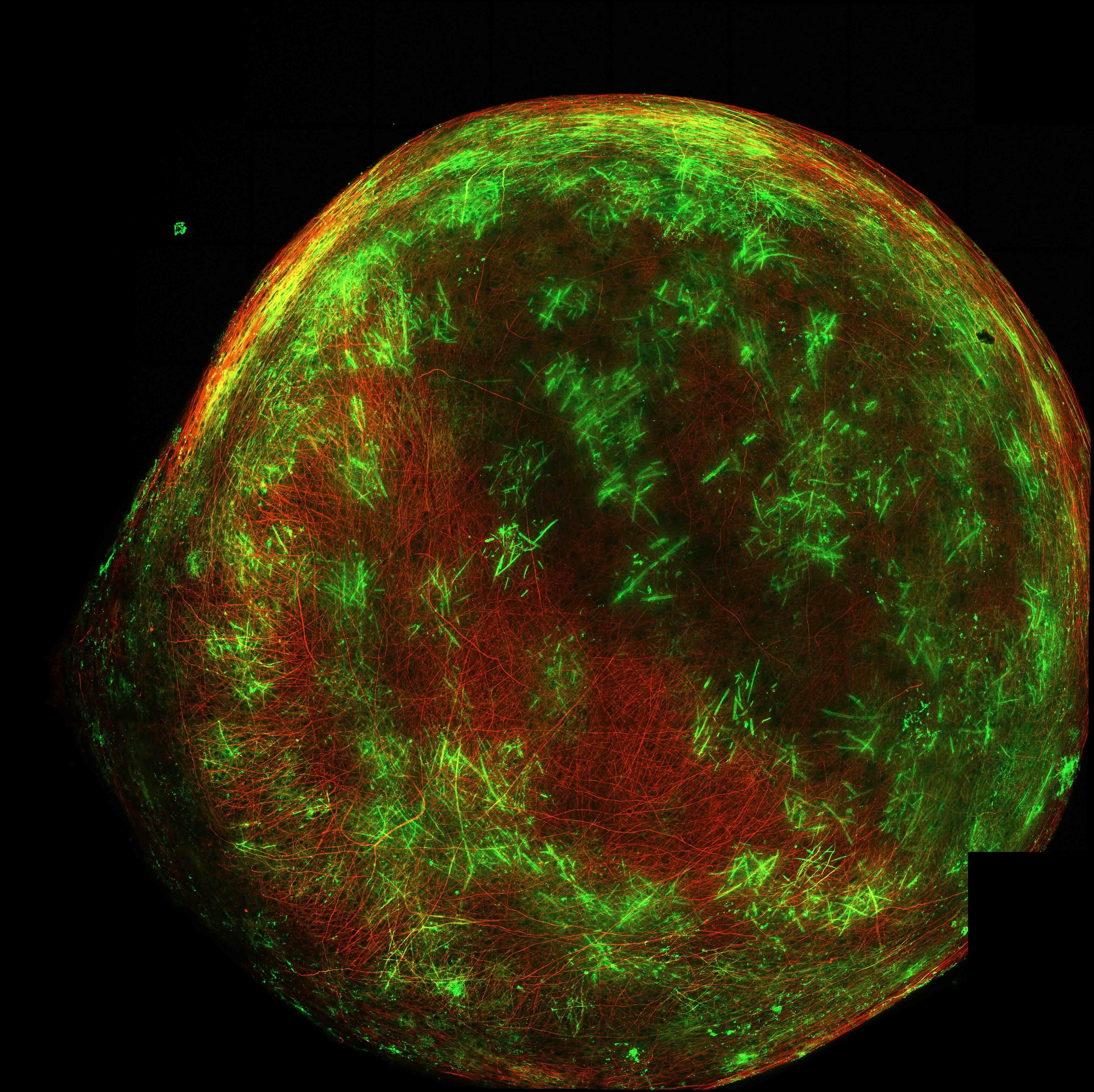
Dr Laura Grice is addressing this challenge by developing the world's first molecular map of spinal cord injury across time and injury levels. This research aims to uncover the biological responses that occur after injury and provide insights that could help guide future treatments.

The role of philanthropy

Hearts & Minds funding, as nominated by Caledonia, enables SpinalCure Australia (SpinalCure) to invest in Australia's highest-priority spinal cord injury research wherever the need is greatest. 

This support contributes to SpinalCure's ability to fund and manage promising research projects, including Dr Laura Grice's work, while supporting the scientific leadership and collaboration needed to accelerate progress towards new treatments. The partnership also helps validate SpinalCure's research strategy, strengthening its ability to attract further support from government, corporate partners and major donors.

Early impact

Dr Grice's research has generated a unique dataset exploring how the body responds after spinal cord injury over time. Early findings are helping researchers understand why injuries in different parts of the spinal cord can lead to different recovery outcomes.

The research is also helping identify potential treatment pathways. Early studies investigating intravenous immunoglobulin (IVIG), an existing medicine currently being explored for spinal cord injury, have shown encouraging signs that it may improve recovery when administered soon after injury. Further research is underway to better understand how IVIG works and which patients may benefit most.

Conor’s story

Conor Tweedy was 16 years old when he was injured in a scrum collapse on the rugby field. On admission to hospital with fractures at C4 and C5, he was treated with IVIG as part of a clinical trial run by Professor Marc Ruitenberg. While further critical studies are required, IVIG therapy has shown great potential as a treatment for spinal cord injury, particularly by controlling the inflammation that can cause additional damage in the first 24 hours after injury.

“I was happy for any chance I was going to get better. It was all positive. If there was a slight chance it was going to make me better, I was very happy about it,” Conor said.

Conor made remarkable progress and nine months later walked out of the hospital with minimal assistance. Today, he can walk around his home and live independently as an incomplete quadriplegic. He now only uses a wheelchair for longer trips and to play wheelchair rugby.

“If there is any small inkling that this might give a tiny amount of function back, it should get the full force of financial backing it needs,” said Conor. 

What this could unlock

By revealing how different spinal cord injuries respond at a molecular level, this research is helping build the knowledge needed to develop more personalised treatments. For people like Conor, advances in spinal cord injury research represent the possibility of better recovery outcomes, greater independence and improved quality of life. As researchers continue exploring new treatment pathways, this work is helping move the field closer to a future where spinal cord injuries can be treated more effectively.

Funding support from Hearts & Minds, as nominated by Caledonia. This content was last updated in July 2026. For further information, visit SpinalCure Australia.
The challenge

A spinal cord injury can happen in an instant, often through a road accident, fall or sporting injury. In Australia, roughly 21,000 people are living with a spinal cord injury, and there is currently no cure. Damage to the spinal cord can cause permanent paralysis, while also affecting sensation, bladder and bowel function, temperature regulation and, in some cases, breathing. The first hours after injury are critical. Treatments delivered during this window have the potential to reduce further damage, preserve function and improve a person's long-term independence and quality of life.

Dr Laura Grice is addressing this challenge by developing the world's first molecular map of spinal cord injury across time and injury levels. This research aims to uncover the biological responses that occur after injury and provide insights that could help guide future treatments.

The role of philanthropy

Hearts & Minds funding, as nominated by Caledonia, enables SpinalCure Australia (SpinalCure) to invest in Australia's highest-priority spinal cord injury research wherever the need is greatest. 

This support contributes to SpinalCure's ability to fund and manage promising research projects, including Dr Laura Grice's work, while supporting the scientific leadership and collaboration needed to accelerate progress towards new treatments. The partnership also helps validate SpinalCure's research strategy, strengthening its ability to attract further support from government, corporate partners and major donors.

Early impact

Dr Grice's research has generated a unique dataset exploring how the body responds after spinal cord injury over time. Early findings are helping researchers understand why injuries in different parts of the spinal cord can lead to different recovery outcomes.

The research is also helping identify potential treatment pathways. Early studies investigating intravenous immunoglobulin (IVIG), an existing medicine currently being explored for spinal cord injury, have shown encouraging signs that it may improve recovery when administered soon after injury. Further research is underway to better understand how IVIG works and which patients may benefit most.

Conor’s story

Conor Tweedy was 16 years old when he was injured in a scrum collapse on the rugby field. On admission to hospital with fractures at C4 and C5, he was treated with IVIG as part of a clinical trial run by Professor Marc Ruitenberg. While further critical studies are required, IVIG therapy has shown great potential as a treatment for spinal cord injury, particularly by controlling the inflammation that can cause additional damage in the first 24 hours after injury.

“I was happy for any chance I was going to get better. It was all positive. If there was a slight chance it was going to make me better, I was very happy about it,” Conor said.

Conor made remarkable progress and nine months later walked out of the hospital with minimal assistance. Today, he can walk around his home and live independently as an incomplete quadriplegic. He now only uses a wheelchair for longer trips and to play wheelchair rugby.

“If there is any small inkling that this might give a tiny amount of function back, it should get the full force of financial backing it needs,” said Conor. 

What this could unlock

By revealing how different spinal cord injuries respond at a molecular level, this research is helping build the knowledge needed to develop more personalised treatments. For people like Conor, advances in spinal cord injury research represent the possibility of better recovery outcomes, greater independence and improved quality of life. As researchers continue exploring new treatment pathways, this work is helping move the field closer to a future where spinal cord injuries can be treated more effectively.

Funding support from Hearts & Minds, as nominated by Caledonia. This content was last updated in July 2026. For further information, visit SpinalCure Australia.

Disclaimer: This material has been prepared by Hearts & Minds, published on July 1, 2026. HM1 is not responsible for the content of linked websites or content prepared by third party. The inclusion of these links and third-party content does not in any way imply any form of endorsement by HM1 of the products or services provided by persons or organisations who are responsible for the linked websites and third-party content. This information is for general information only and does not consider the objectives, financial situation or needs of any person. Before making an investment decision, you should read the relevant disclosure document (if appropriate) and seek professional advice to determine whether the investment and information is suitable for you.

facebook
linkedin
All
Thank you! Your submission has been received!
Oops! Something went wrong while submitting the form.
July 1, 2026

Improving care for adults with motor neuron diseases

Building better care for adults living with Motor Neuron Disease and Spinal Muscular Atrophy.

Read More
July 1, 2026

Understanding fatigue in young people with Charcot-Marie-Tooth disease

Developing a tool to improve understanding, research and care.

Read More
Picture: Professor Gina Ravenscroft and her teamPicture: Professor Gina Ravenscroft and her teamPicture: Professor Gina Ravenscroft and her teamPicture: Professor Gina Ravenscroft and her team
July 1, 2026

Giving families living with rare diseases the answers they need

Supporting research to improve the diagnosis of rare genetic neuromuscular diseases and build the foundations for future treatments.

Read More
Picture: Professor Lindy Jeffree, Neurosurgeon and Chair, Brain Cancer Australia National Consortium Picture: Professor Lindy Jeffree, Neurosurgeon and Chair, Brain Cancer Australia National Consortium Picture: Professor Lindy Jeffree, Neurosurgeon and Chair, Brain Cancer Australia National Consortium Picture: Professor Lindy Jeffree, Neurosurgeon and Chair, Brain Cancer Australia National Consortium
July 1, 2026

Building the foundations for faster progress against brain cancer

Uniting researchers, clinicians and patients to accelerate research and improve patient care.

Read More
July 1, 2026

Accelerating CAR-T cell therapies for patients in need 

Bringing innovative cancer therapies closer to patients.

Read More
December 5, 2023

Prof Daniel MacArthur | 2023 Sohn Hearts & Minds Conference

At the 2023 Sohn Hearts & Minds Conference, we heard from Prof Daniel MacArthur, the Director of the Centre for Population Genomics.

Read More
December 5, 2023

Prof Michelle Simmons AO | Sohn Hearts & Minds Conference

At this year's Sohn Hearts & Minds Conference, we heard from Prof Michelle Simmons, the CEO and Founder of Silicon Quantum Computing.

Read More
December 5, 2023

Prof Misty Jenkins AO | 2023 Sohn Hearts & Minds Conference

At the 2023 Sohn Hearts & Minds Conference, we heard from Prof Misty Jenkins. Misty is a NHMRC fellow and laboratory head of the Immunology Division at the Walter and Eliza Hall Institute.

Read More
Daniel MacArthur speaking at the 2023 Sohn Hearts & Minds Conference in Sydney.Daniel MacArthur speaking at the 2023 Sohn Hearts & Minds Conference in Sydney.Daniel MacArthur speaking at the 2023 Sohn Hearts & Minds Conference in Sydney.Daniel MacArthur speaking at the 2023 Sohn Hearts & Minds Conference in Sydney.
November 15, 2023

Advancing Medicine Is In Daniel MacArthur’s DNA

When genomic scientist Daniel MacArthur had the opportunity to set up a new Centre for Population Genomics in Australia in 2019, he jumped at the chance to return home after 12 years living overseas.

Read More
November 10, 2023

Big thinkers in hunt for brain cancer cure

“Brain cancer is rare, but for people who do get it the prognosis is not good,” Assistant Professor Jenkins tells The Australian.

Read More
April 20, 2023

Artificial intelligence gives new hope for sufferers of severe heart problem

New AI software can improve the diagnosis of severe aortic stenosis by 72% and could potentially change the lives of about 50,000 Australians with the life-threatening condition.

Read More
February 14, 2023

Bringing Equity and Diversity to Genomic Medicine

Professor Daniel MacArthur, Director of the Centre for Population Genomics has big goals to bring equity and diversity into genomic medicine in Australia, something surprisingly inadequate presently.

Read More
September 6, 2022

VCCRI: 'Heart in a Box'

An Australian method of preserving donated hearts has boosted the number of successful transplants across the world, with new research demonstrating similar survival rates to traditional transplants.

Read More
February 24, 2022

Impact Video: Cerebral Palsy Alliance

This video features Professor Nadia Badawi AM, Professor Alistair McEwan, Paul Rayson and others discussing the incredible impact our partnership will have.

Read More
February 24, 2022

New Partnership with Cerebral Palsy Alliance

We’re excited to announce a new partnership with the Cerebral Palsy Alliance and are proud to be supporting this important research.

Read More