Unlocking new approaches for Multiple Sclerosis

Understanding why the brain fails to repair itself and exploring new treatment possibilities.
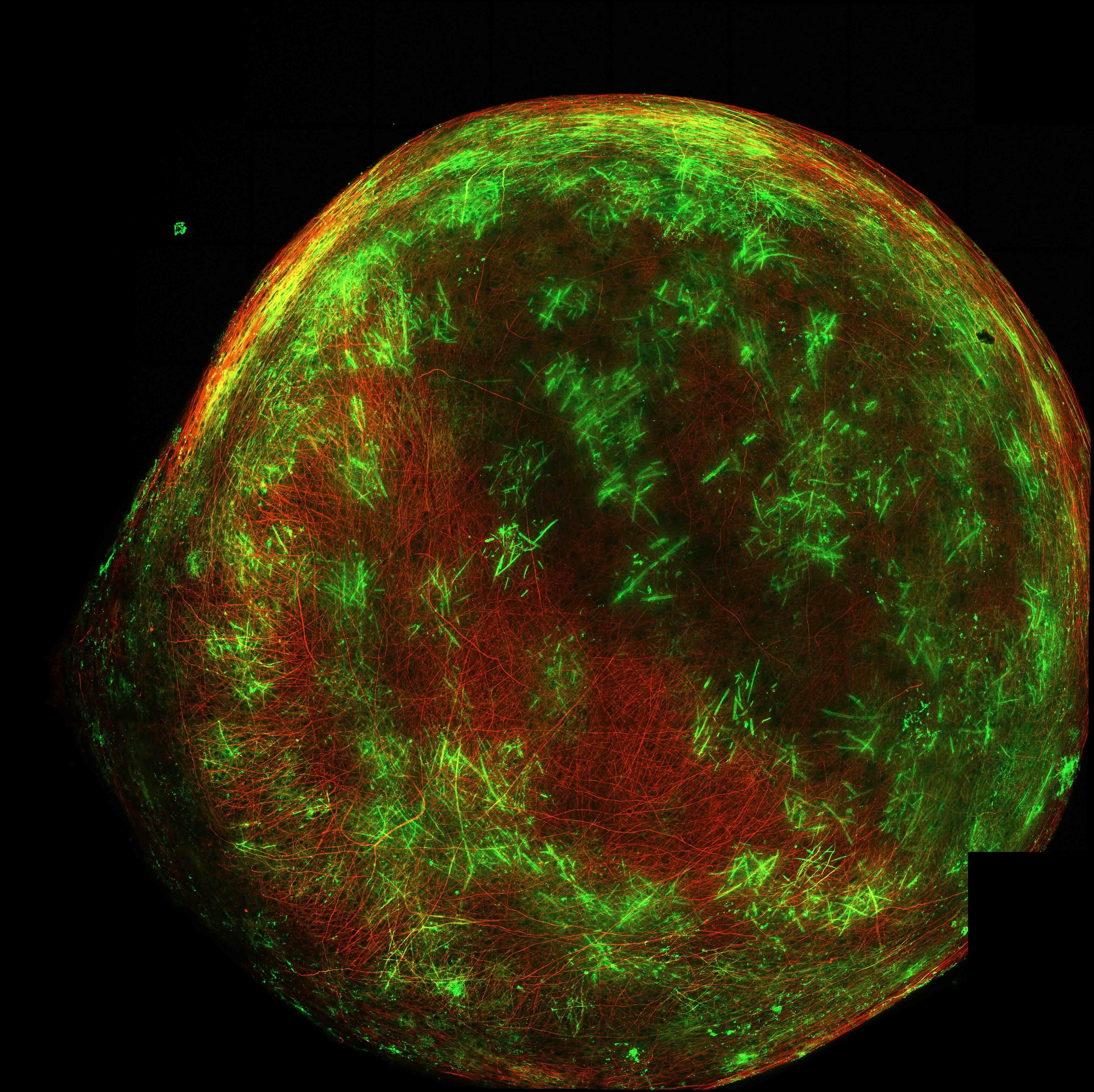
Researchers are growing human “mini-brains” in the laboratory and introducing immune cells from people living with MS.

Unlocking new approaches for Multiple Sclerosis

July 1, 2026
Understanding why the brain fails to repair itself and exploring new treatment possibilities.
Read Transcript

The challenge

Multiple Sclerosis (MS) is a chronic neurological condition affecting more than 2.9 million people worldwide, including more than 37,000 people in Australia.1 It occurs when the body’s own immune system mistakenly attacks myelin, the protective layer that surrounds and supports nerve cells. 

When myelin is damaged, messages between the brain and body can become disrupted, causing symptoms such as fatigue, pain, mobility challenges and cognitive difficulties. For many people living with MS, symptoms can be unpredictable and change over time, while the gradual loss of function can have a significant impact on independence and quality of life. While existing treatments can help manage aspects of MS, many people continue to experience disease progression. A major unanswered question remains: why does the brain fail to repair damaged myelin? 

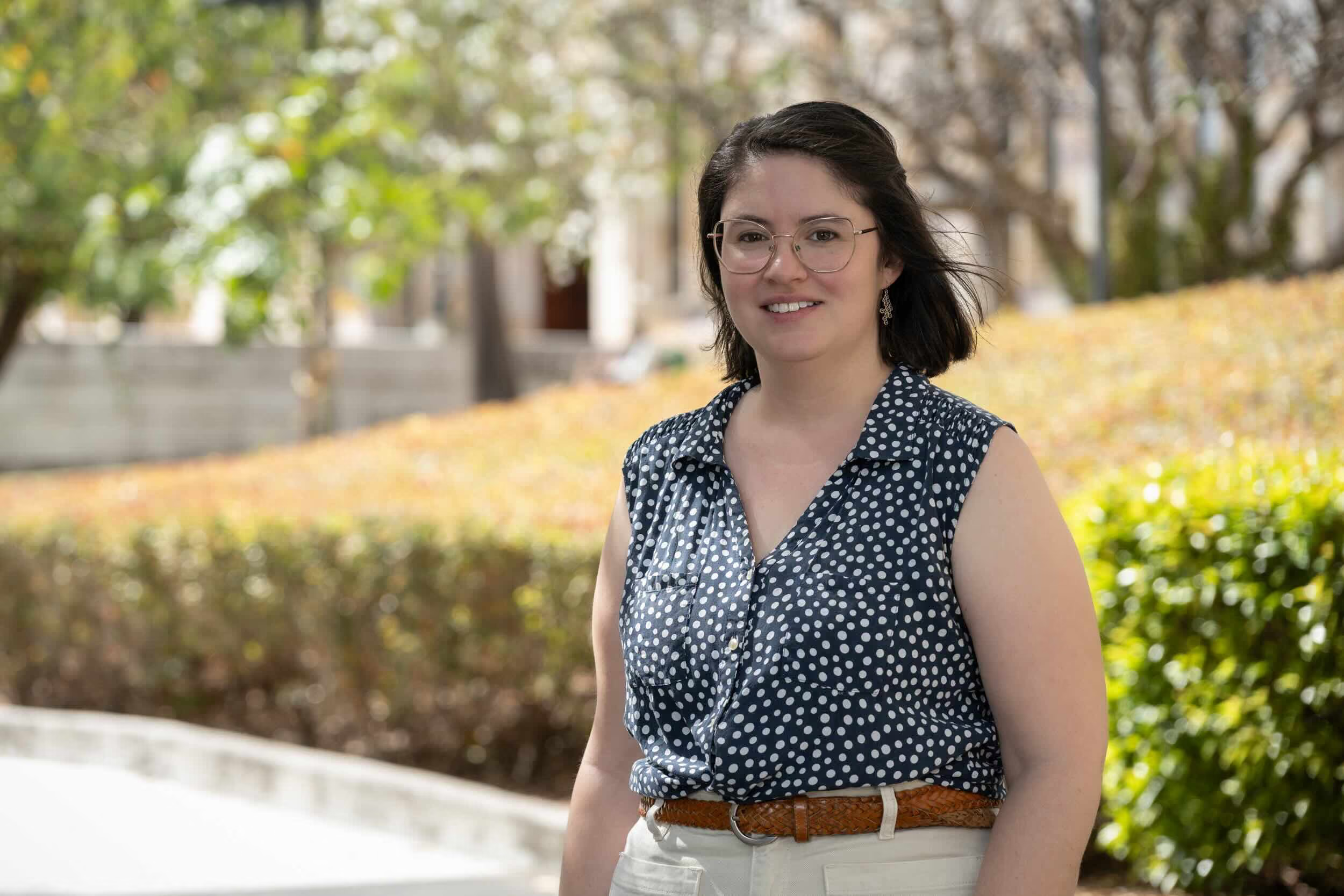
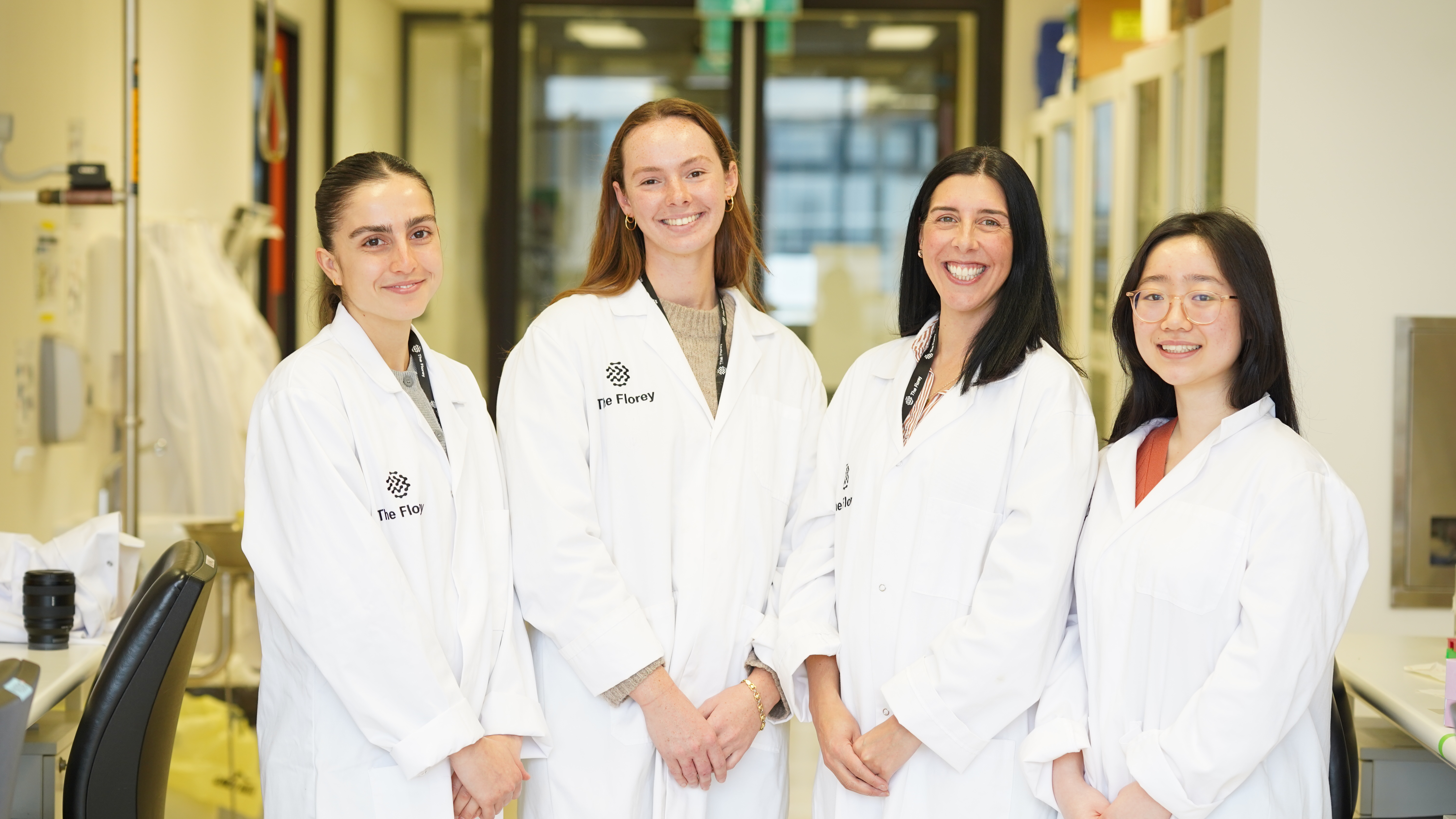
Dr Samantha Barton and her team at The Florey are working to answer this question by developing a first-of-its-kind “mini-brain” model that allows them to study how immune cells from people living with MS interact with myelin and affect the brain’s natural repair processes.

The role of philanthropy

Funding from Hearts & Minds has supported The Florey and allowed this research team to develop new and exciting research models to understand myelin repair in the context of MS. Using advanced stem cell technology, researchers are growing human “mini-brains” in the laboratory and introducing immune cells from people living with MS. This allows the team to study how a person’s immune cells from their blood interacts with immune cells in their brain and whether this communication is altered in a person with MS. Understanding how immune cells talk to each other, and to myelinating cells in the brain, will hopefully uncover a way that we can generate treatments to promote myelin repair in people with MS.

Hearts & Minds support has enabled the team to establish this approach and progress to asking the key questions around how immune cells impact myelin repair in MS. The funding has also supported a multidisciplinary team spanning stem cell biology, neuroscience and immunology, helping build new collaborations and strengthen The Florey’s capacity to pursue future research opportunities in neurodegenerative disease.

What this could unlock

A deeper understanding of how immune cells disrupt myelin repair could reveal new insights into why the brain’s natural repair processes fail in MS. This research approach could help researchers identify potential targets for future therapies designed to protect or restore myelin. Ultimately, this work aims to contribute to future treatments that could slow the neurological decline experienced by many people living with MS.

Funding support from Hearts & Minds. This content was last updated in July 2026. For further information, visit The Florey.

¹ Source: MS Australia, Multiple Sclerosis Prevalence and Health Economic Impact in Australia 2025.
The challenge

Multiple Sclerosis (MS) is a chronic neurological condition affecting more than 2.9 million people worldwide, including more than 37,000 people in Australia.1 It occurs when the body’s own immune system mistakenly attacks myelin, the protective layer that surrounds and supports nerve cells. 

When myelin is damaged, messages between the brain and body can become disrupted, causing symptoms such as fatigue, pain, mobility challenges and cognitive difficulties. For many people living with MS, symptoms can be unpredictable and change over time, while the gradual loss of function can have a significant impact on independence and quality of life. While existing treatments can help manage aspects of MS, many people continue to experience disease progression. A major unanswered question remains: why does the brain fail to repair damaged myelin? 

Dr Samantha Barton and her team at The Florey are working to answer this question by developing a first-of-its-kind “mini-brain” model that allows them to study how immune cells from people living with MS interact with myelin and affect the brain’s natural repair processes.

The role of philanthropy

Funding from Hearts & Minds has supported The Florey and allowed this research team to develop new and exciting research models to understand myelin repair in the context of MS. Using advanced stem cell technology, researchers are growing human “mini-brains” in the laboratory and introducing immune cells from people living with MS. This allows the team to study how a person’s immune cells from their blood interacts with immune cells in their brain and whether this communication is altered in a person with MS. Understanding how immune cells talk to each other, and to myelinating cells in the brain, will hopefully uncover a way that we can generate treatments to promote myelin repair in people with MS.

Hearts & Minds support has enabled the team to establish this approach and progress to asking the key questions around how immune cells impact myelin repair in MS. The funding has also supported a multidisciplinary team spanning stem cell biology, neuroscience and immunology, helping build new collaborations and strengthen The Florey’s capacity to pursue future research opportunities in neurodegenerative disease.

What this could unlock

A deeper understanding of how immune cells disrupt myelin repair could reveal new insights into why the brain’s natural repair processes fail in MS. This research approach could help researchers identify potential targets for future therapies designed to protect or restore myelin. Ultimately, this work aims to contribute to future treatments that could slow the neurological decline experienced by many people living with MS.

Funding support from Hearts & Minds. This content was last updated in July 2026. For further information, visit The Florey.

¹ Source: MS Australia, Multiple Sclerosis Prevalence and Health Economic Impact in Australia 2025.

Disclaimer: This material has been prepared by Hearts & Minds, published on July 1, 2026. HM1 is not responsible for the content of linked websites or content prepared by third party. The inclusion of these links and third-party content does not in any way imply any form of endorsement by HM1 of the products or services provided by persons or organisations who are responsible for the linked websites and third-party content. This information is for general information only and does not consider the objectives, financial situation or needs of any person. Before making an investment decision, you should read the relevant disclosure document (if appropriate) and seek professional advice to determine whether the investment and information is suitable for you.

facebook
linkedin
All
Thank you! Your submission has been received!
Oops! Something went wrong while submitting the form.
July 1, 2026

Improving care for adults with motor neuron diseases

Building better care for adults living with Motor Neuron Disease and Spinal Muscular Atrophy.

Read More
July 1, 2026

Understanding fatigue in young people with Charcot-Marie-Tooth disease

Developing a tool to improve understanding, research and care.

Read More
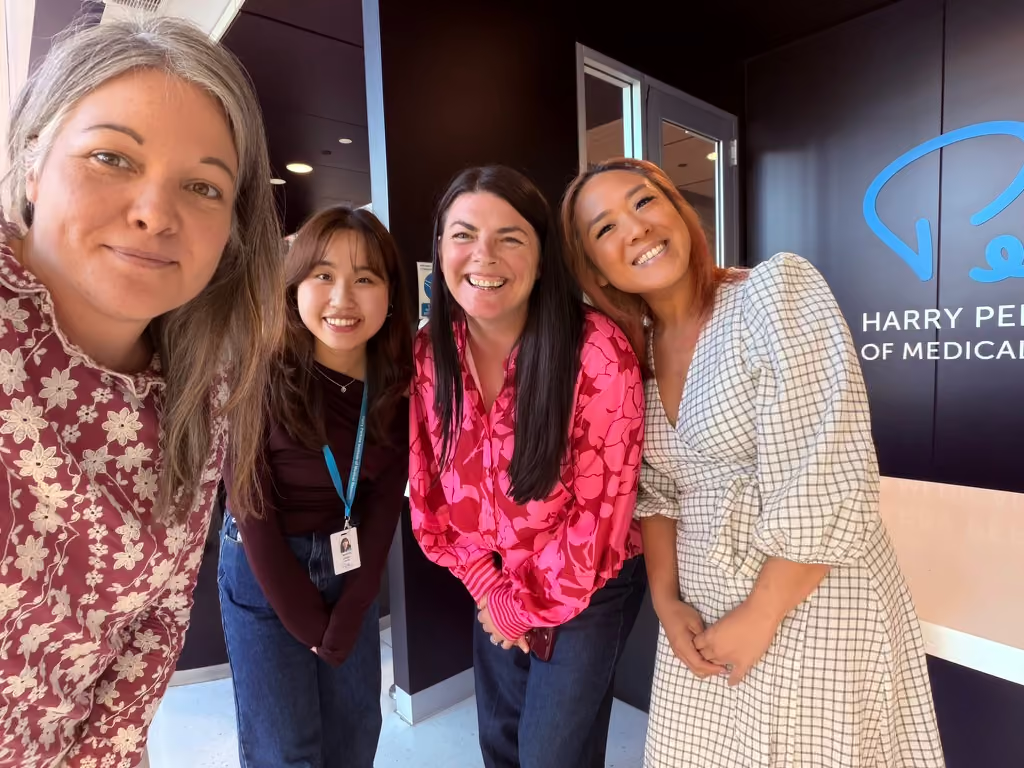
Pictured left to right: Professor Gina Ravenscroft (Perkins), Jasmine Chew, Sam Payne (CEO and Founder, Pink Elephants Support Network), and Shelby Mullin (Perkins).Pictured left to right: Professor Gina Ravenscroft (Perkins), Jasmine Chew, Sam Payne (CEO and Founder, Pink Elephants Support Network), and Shelby Mullin (Perkins).Pictured left to right: Professor Gina Ravenscroft (Perkins), Jasmine Chew, Sam Payne (CEO and Founder, Pink Elephants Support Network), and Shelby Mullin (Perkins).Pictured left to right: Professor Gina Ravenscroft (Perkins), Jasmine Chew, Sam Payne (CEO and Founder, Pink Elephants Support Network), and Shelby Mullin (Perkins).
July 1, 2026

Giving families living with rare diseases the answers they need

Supporting research to improve the diagnosis of rare genetic neuromuscular diseases and build the foundations for future treatments.

Read More
Picture: Dr Laura Grice, Lead Researcher Picture: Dr Laura Grice, Lead Researcher Picture: Dr Laura Grice, Lead Researcher Picture: Dr Laura Grice, Lead Researcher
July 1, 2026

Understanding spinal cord injury recovery

The world's first molecular map of spinal cord injury across time and injury levels

Read More
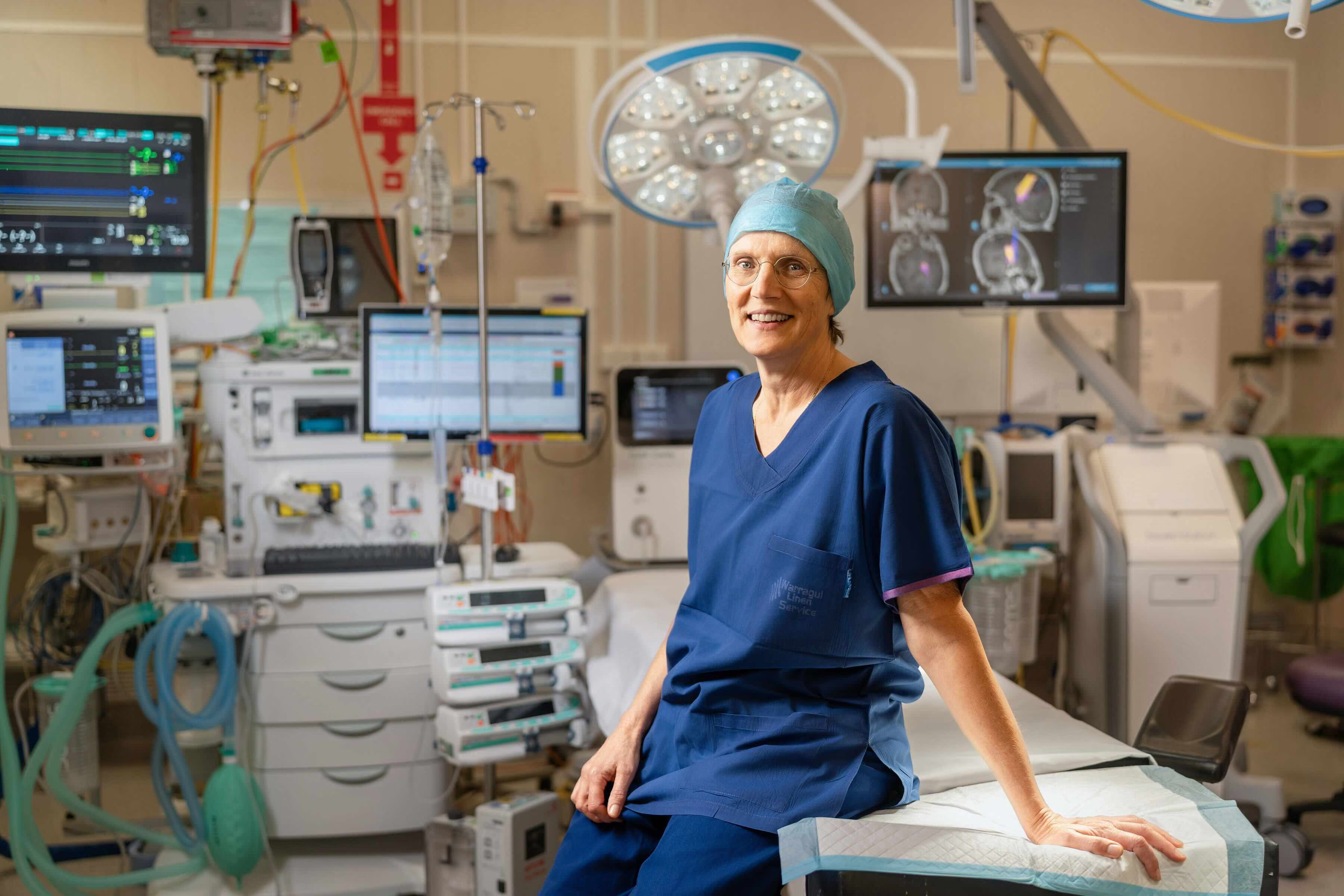
Picture: Professor Lindy Jeffree, Neurosurgeon and Chair, Brain Cancer Australia National Consortium Picture: Professor Lindy Jeffree, Neurosurgeon and Chair, Brain Cancer Australia National Consortium Picture: Professor Lindy Jeffree, Neurosurgeon and Chair, Brain Cancer Australia National Consortium Picture: Professor Lindy Jeffree, Neurosurgeon and Chair, Brain Cancer Australia National Consortium
July 1, 2026

Building the foundations for faster progress against brain cancer

Uniting researchers, clinicians and patients to accelerate research and improve patient care.

Read More
July 1, 2026

Accelerating CAR-T cell therapies for patients in need 

Bringing innovative cancer therapies closer to patients.

Read More
July 1, 2026

Supporting babies at high risk of cerebral palsy from the very beginning

Testing a family-centred early intervention program to improve outcomes for infants and support parents during the first critical months of life.

Read More
July 1, 2026

Making early cerebral palsy screening more accessible

Exploring new ways to identify babies at risk of cerebral palsy sooner and support better outcomes.

Read More
Picture: Professor Tracy Putoczki, Laboratory Head at WEHIPicture: Professor Tracy Putoczki, Laboratory Head at WEHIPicture: Professor Tracy Putoczki, Laboratory Head at WEHIPicture: Professor Tracy Putoczki, Laboratory Head at WEHI
July 1, 2026

Mapping the surface of pancreatic cancer cells

Identifying proteins on pancreatic cancer cells that could become new targets for developing future treatments.

Read More
Picture: Professor Jane Visvader and Professor Geoff Lindeman from the Breast Cancer Laboratory at WEHI Picture: Professor Jane Visvader and Professor Geoff Lindeman from the Breast Cancer Laboratory at WEHI Picture: Professor Jane Visvader and Professor Geoff Lindeman from the Breast Cancer Laboratory at WEHI Picture: Professor Jane Visvader and Professor Geoff Lindeman from the Breast Cancer Laboratory at WEHI
July 1, 2026

Understanding how breast cancer begins

Tracking the earliest changes in BRCA mutation carriers to help prevent cancer before it starts.

Read More
July 1, 2026

A new path forward for women living with period and pelvic pain

Uncovering the biology driving debilitating symptoms

Read More
Picture: Professor Daniel MacArthurPicture: Professor Daniel MacArthurPicture: Professor Daniel MacArthurPicture: Professor Daniel MacArthur
July 1, 2026

Closing the gap in rare disease diagnosis for Australian families

Building better genomic tools and more representative data to help families receive answers sooner.

Read More
PICTURE: A/Prof Rebecca Nisbet and her teamPICTURE: A/Prof Rebecca Nisbet and her teamPICTURE: A/Prof Rebecca Nisbet and her teamPICTURE: A/Prof Rebecca Nisbet and her team
July 1, 2026

Developing a new mRNA vaccine for Alzheimer’s disease

Using innovative technology to explore new possibilities for treatment and prevention.

Read More
December 5, 2023

Prof Daniel MacArthur | 2023 Sohn Hearts & Minds Conference

At the 2023 Sohn Hearts & Minds Conference, we heard from Prof Daniel MacArthur, the Director of the Centre for Population Genomics.

Read More
December 5, 2023

Prof Michelle Simmons AO | Sohn Hearts & Minds Conference

At this year's Sohn Hearts & Minds Conference, we heard from Prof Michelle Simmons, the CEO and Founder of Silicon Quantum Computing.

Read More