Big thinkers in hunt for brain cancer cure

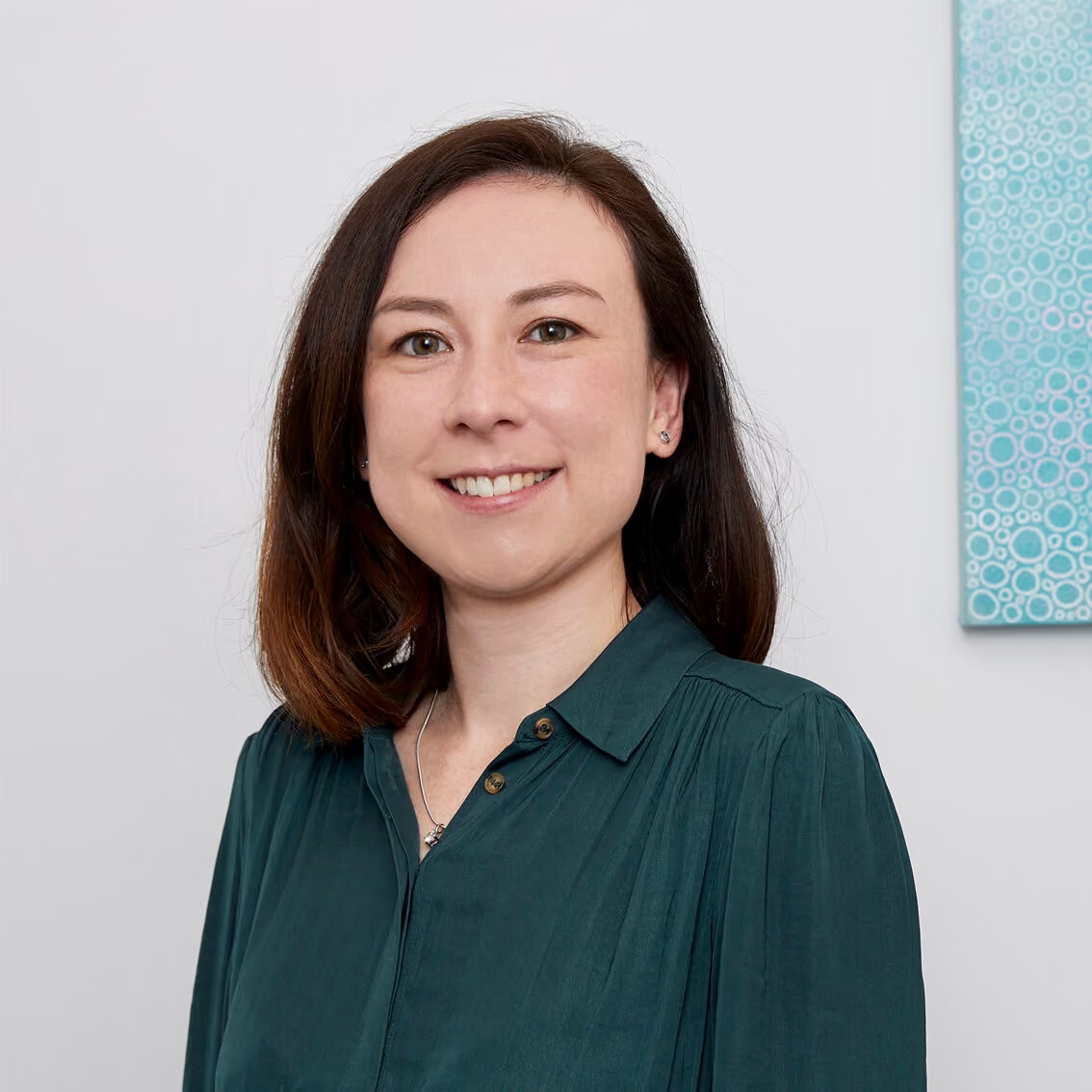
“Brain cancer is rare, but for people who do get it the prognosis is not good,” Assistant Professor Jenkins tells The Australian.

Glenda Korporaal

Big thinkers in hunt for brain cancer cure

November 10, 2023
“Brain cancer is rare, but for people who do get it the prognosis is not good,” Assistant Professor Jenkins tells The Australian.
Read Transcript

Melbourne scientist Misty Jenkins has had a long-time interest in immunology.

But it was a neuroscientist friend of hers who urged her to focus her skills on seeking a cure for brain ­cancer. 

“I’m sick of telling my patients they are going to die,” her friend told her. “Someone needs to do something about it.”

“Brain cancer is rare, but for people who do get it the prognosis is not good,” Assistant Professor Jenkins tells The Australian.

 Brain stem tumours in children are 100 per cent fatal.

“Brain cancer kills more children than any other disease,” she says.

“If a child is diagnosed with brain cancer, the parents are basically told to take them home and ‘make ­memories’.”

Adults may have more time – as much as 18 months – but few make it through to the five-year cancer-free stage.

Seven years ago, with financial support from several philanthropists, Jenkins founded a laboratory at the Walter and Eliza Hall Institute for Medical Research in Melbourne to focus specifically on finding a cure for brain cancer.

Thanks to grants of $600,000 over two years that her colleague Professor Matt Call received from the annual Sohn Hearts and Minds conference, her laboratory has been able to develop its research into ways to combat brain cancer to the stage where they are ready for clinical trials in humans.

Jenkins, an associate professor at the Institute, will be a speaker at this year’s Sohn conference in Sydney, outlining the unique approach to combating brain cancer she and her team are working on. 

The annual conference, where people pay to hear the stock tips of local and global fund managers, has raised $60m for medical research since it began in Australia in 2016.

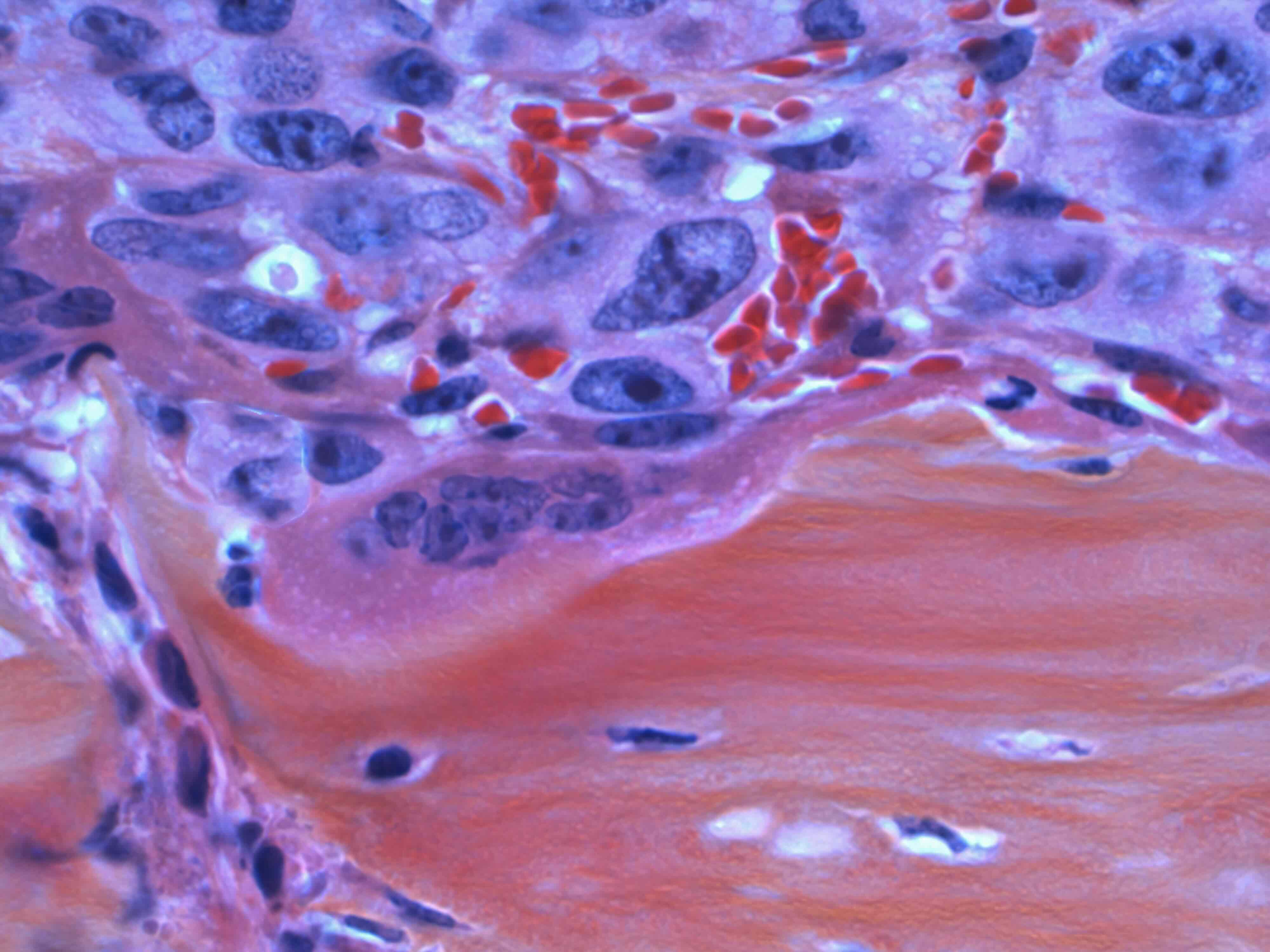
The research at the Institute is aimed at using the body’s own immune system to attack the cancer in the brain. It uses chimeric antigen receptor T (CAR T) cells to identify and attack brain tumours.

The focus is on designing receptors to be expressed by immune cells which can recognise and kill the cancer.

But it is a fine line to make sure that the immune system doesn’t damage the brain in doing so.

“We want the receptors to bind with the tumour and have the immune cells, or T cells, kill the tumour cells, but not be so activated that they cause inflammation in a really delicate location like the brain,” she says.

“It’s a bit like using volume control to tune the receptors to make them safer.” 

Jenkins says the process has been shown to cure brain cancer in mice and is now ready for clinical trials on humans if they can get enough funding.

 Jenkins did her PhD in immunology at the University of Melbourne with Peter Doherty, who was awarded a Nobel Prize for his work on T cells. She went on to do postdoctoral work at Oxford and Cambridge universities – the first Indigenous Australian to attend the universities as a postdoctoral research fellow.

 Returning to Australia, she worked at the Peter MacCallum Cancer Centre in Melbourne.

She worked on broader research into cancer until her friend’s comments prompted her to focus on brain cancer.

Her pioneering work on brain cancer at the Walter and Eliza Hall Institute was originally funded by philanthropists, some of whom were parents of young children who had died from brain cancer.

“It’s heartbreaking,” she says, of her conversations with some of these parents.

Her closeness with the medical fraternity allowed her to have first hand access to cancer patients and to the brain tissues of those who had died.

She and her team regularly deal with people who they know will not survive their cancer. “It can be quite confronting for the team,” she says.

Jenkins says there is no known cause of brain cancer. While still rare, it is on the increase. 

She says there needs to be a sense of urgency to find treatments for brain cancer.

‘Thirty years ago, 90 per cent of kids who were diagnosed with it died – now 90 per cent survive’.

Jenkins believes that a cure can be found for brain cancer if researchers can get enough funding.

“Breast cancer is a perfect example. Thirty years ago, 75 per cent of women with a diagnosis died within five years of that diagnosis. Now, more than 90 per cent survive for more than five years. That’s due to massive investments into medical research as well as education around awareness of early detection.” 

“It’s the same with leukaemia. Thirty years ago, 90 per cent of kids who were diagnosed with it died – now 90 per cent survive.

“Imagine if we had the same resources to combat brain cancer.” 

“We need to dream big and think about if we had the same collective action – if the whole world decided it was going to cure brain cancer.”

Thanks to the support of philanthropists, Jenkins and her team have been able to get their work to the level where they could attract government funding from the National Health and Medical Research Council (NHMRC).

 But the constant need to apply for grants makes the future uncertain for her staff.

While there is research on brain cancer happening around the world, her team is doing pioneering work in assessing the different types of cancer tumours and working out how to treat them.

She says cancer treatment of the future, including for brain cancer, will focus on the specific nature of the cancer in different people, tailoring treatment to individual needs in more personalised medicine.

Brain tumours can vary, leading to different responses to treatment. “We are developing a powerful new therapy and treatment, but it requires investment to take it to the next level and to see Australia have its first clinical trials using personalised cell therapy to treat brain cancer.”

This article was originally posted by The Australian here.

Licensed by Copyright Agency. You must not copy this work without permission.
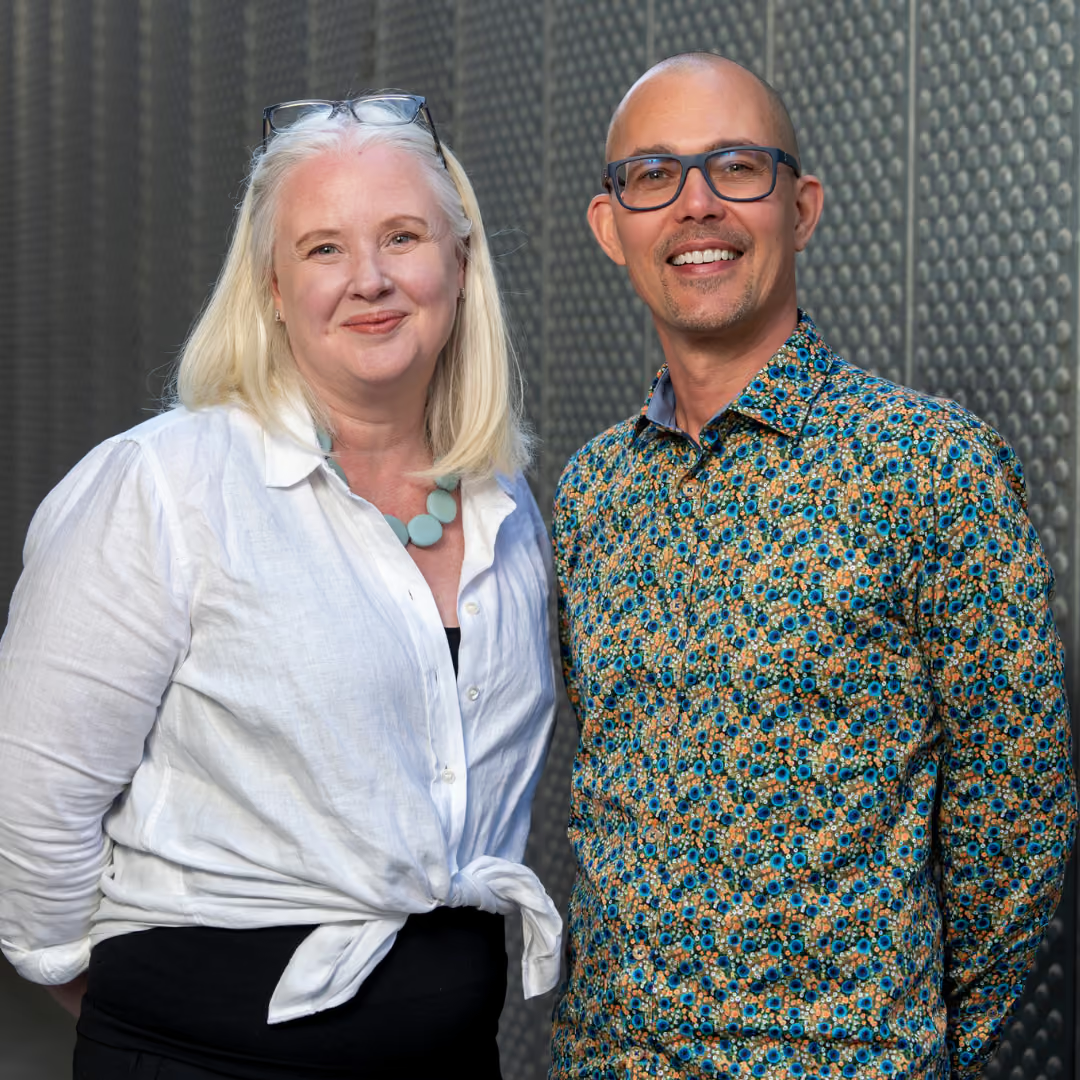
Melbourne scientist Misty Jenkins has had a long-time interest in immunology.

But it was a neuroscientist friend of hers who urged her to focus her skills on seeking a cure for brain ­cancer. 

“I’m sick of telling my patients they are going to die,” her friend told her. “Someone needs to do something about it.”

“Brain cancer is rare, but for people who do get it the prognosis is not good,” Assistant Professor Jenkins tells The Australian.

 Brain stem tumours in children are 100 per cent fatal.

“Brain cancer kills more children than any other disease,” she says.

“If a child is diagnosed with brain cancer, the parents are basically told to take them home and ‘make ­memories’.”

Adults may have more time – as much as 18 months – but few make it through to the five-year cancer-free stage.

Seven years ago, with financial support from several philanthropists, Jenkins founded a laboratory at the Walter and Eliza Hall Institute for Medical Research in Melbourne to focus specifically on finding a cure for brain cancer.

Thanks to grants of $600,000 over two years that her colleague Professor Matt Call received from the annual Sohn Hearts and Minds conference, her laboratory has been able to develop its research into ways to combat brain cancer to the stage where they are ready for clinical trials in humans.

Jenkins, an associate professor at the Institute, will be a speaker at this year’s Sohn conference in Sydney, outlining the unique approach to combating brain cancer she and her team are working on. 

The annual conference, where people pay to hear the stock tips of local and global fund managers, has raised $60m for medical research since it began in Australia in 2016.

The research at the Institute is aimed at using the body’s own immune system to attack the cancer in the brain. It uses chimeric antigen receptor T (CAR T) cells to identify and attack brain tumours.

The focus is on designing receptors to be expressed by immune cells which can recognise and kill the cancer.

But it is a fine line to make sure that the immune system doesn’t damage the brain in doing so.

“We want the receptors to bind with the tumour and have the immune cells, or T cells, kill the tumour cells, but not be so activated that they cause inflammation in a really delicate location like the brain,” she says.

“It’s a bit like using volume control to tune the receptors to make them safer.” 

Jenkins says the process has been shown to cure brain cancer in mice and is now ready for clinical trials on humans if they can get enough funding.

 Jenkins did her PhD in immunology at the University of Melbourne with Peter Doherty, who was awarded a Nobel Prize for his work on T cells. She went on to do postdoctoral work at Oxford and Cambridge universities – the first Indigenous Australian to attend the universities as a postdoctoral research fellow.

 Returning to Australia, she worked at the Peter MacCallum Cancer Centre in Melbourne.

She worked on broader research into cancer until her friend’s comments prompted her to focus on brain cancer.

Her pioneering work on brain cancer at the Walter and Eliza Hall Institute was originally funded by philanthropists, some of whom were parents of young children who had died from brain cancer.

“It’s heartbreaking,” she says, of her conversations with some of these parents.

Her closeness with the medical fraternity allowed her to have first hand access to cancer patients and to the brain tissues of those who had died.

She and her team regularly deal with people who they know will not survive their cancer. “It can be quite confronting for the team,” she says.

Jenkins says there is no known cause of brain cancer. While still rare, it is on the increase. 

She says there needs to be a sense of urgency to find treatments for brain cancer.

‘Thirty years ago, 90 per cent of kids who were diagnosed with it died – now 90 per cent survive’.

Jenkins believes that a cure can be found for brain cancer if researchers can get enough funding.

“Breast cancer is a perfect example. Thirty years ago, 75 per cent of women with a diagnosis died within five years of that diagnosis. Now, more than 90 per cent survive for more than five years. That’s due to massive investments into medical research as well as education around awareness of early detection.” 

“It’s the same with leukaemia. Thirty years ago, 90 per cent of kids who were diagnosed with it died – now 90 per cent survive.

“Imagine if we had the same resources to combat brain cancer.” 

“We need to dream big and think about if we had the same collective action – if the whole world decided it was going to cure brain cancer.”

Thanks to the support of philanthropists, Jenkins and her team have been able to get their work to the level where they could attract government funding from the National Health and Medical Research Council (NHMRC).

 But the constant need to apply for grants makes the future uncertain for her staff.

While there is research on brain cancer happening around the world, her team is doing pioneering work in assessing the different types of cancer tumours and working out how to treat them.

She says cancer treatment of the future, including for brain cancer, will focus on the specific nature of the cancer in different people, tailoring treatment to individual needs in more personalised medicine.

Brain tumours can vary, leading to different responses to treatment. “We are developing a powerful new therapy and treatment, but it requires investment to take it to the next level and to see Australia have its first clinical trials using personalised cell therapy to treat brain cancer.”

This article was originally posted by The Australian here.

Licensed by Copyright Agency. You must not copy this work without permission.

Disclaimer: This material has been prepared by The Australian, published on Nov 10, 2023. HM1 is not responsible for the content of linked websites or content prepared by third party. The inclusion of these links and third-party content does not in any way imply any form of endorsement by HM1 of the products or services provided by persons or organisations who are responsible for the linked websites and third-party content. This information is for general information only and does not consider the objectives, financial situation or needs of any person. Before making an investment decision, you should read the relevant disclosure document (if appropriate) and seek professional advice to determine whether the investment and information is suitable for you.

facebook
linkedin
All
Thank you! Your submission has been received!
Oops! Something went wrong while submitting the form.
November 22, 2023

Impact Video Series: RPA Green Light Institute

We interviewed leading individuals from The Royal Prince Alfred Hospital Green Light Institute to discuss the importance of medical research, their recent breakthroughs and the vital need for private funding.

Read More
HM1 Chief Operating Officer Maggie O’Neill with A/Prof Elizabeth Ng at the Murdoch Children's Research Institute in Melbourne (March 2026).HM1 Chief Operating Officer Maggie O’Neill with A/Prof Elizabeth Ng at the Murdoch Children's Research Institute in Melbourne (March 2026).HM1 Chief Operating Officer Maggie O’Neill with A/Prof Elizabeth Ng at the Murdoch Children's Research Institute in Melbourne (March 2026).HM1 Chief Operating Officer Maggie O’Neill with A/Prof Elizabeth Ng at the Murdoch Children's Research Institute in Melbourne (March 2026).
May 4, 2026

How science turned back the clock of human development to create a miracle blood stem cell

Many thought it could never be done. But three Murdoch Children’s Research Institute scientists recreated embryonic development to crack the blood stem cell code.

Read More
December 5, 2023

Prof Daniel MacArthur | 2023 Sohn Hearts & Minds Conference

At the 2023 Sohn Hearts & Minds Conference, we heard from Prof Daniel MacArthur, the Director of the Centre for Population Genomics.

Read More
December 5, 2023

Prof Michelle Simmons AO | Sohn Hearts & Minds Conference

At this year's Sohn Hearts & Minds Conference, we heard from Prof Michelle Simmons, the CEO and Founder of Silicon Quantum Computing.

Read More
Daniel MacArthur with Melbourne scientist and assistant professor Misty Jenkins. Both will be speaking at the Sohn Hearts & Minds conference in Sydney.Daniel MacArthur with Melbourne scientist and assistant professor Misty Jenkins. Both will be speaking at the Sohn Hearts & Minds conference in Sydney.Daniel MacArthur with Melbourne scientist and assistant professor Misty Jenkins. Both will be speaking at the Sohn Hearts & Minds conference in Sydney.Daniel MacArthur with Melbourne scientist and assistant professor Misty Jenkins. Both will be speaking at the Sohn Hearts & Minds conference in Sydney.
November 15, 2023

Advancing Medicine Is In Daniel MacArthur’s DNA

When genomic scientist Daniel MacArthur had the opportunity to set up a new Centre for Population Genomics in Australia in 2019, he jumped at the chance to return home after 12 years living overseas.

Read More
April 20, 2023

Artificial intelligence gives new hope for sufferers of severe heart problem

New AI software can improve the diagnosis of severe aortic stenosis by 72% and could potentially change the lives of about 50,000 Australians with the life-threatening condition.

Read More
February 14, 2023

Bringing Equity and Diversity to Genomic Medicine

Professor Daniel MacArthur, Director of the Centre for Population Genomics has big goals to bring equity and diversity into genomic medicine in Australia, something surprisingly inadequate presently.

Read More
September 6, 2022

VCCRI: 'Heart in a Box'

An Australian method of preserving donated hearts has boosted the number of successful transplants across the world, with new research demonstrating similar survival rates to traditional transplants.

Read More
February 24, 2022

New Partnership with Cerebral Palsy Alliance

We’re excited to announce a new partnership with the Cerebral Palsy Alliance and are proud to be supporting this important research.

Read More
August 3, 2021

Australian breakthrough to stop heart arteries from clogging

Victor Chang scientist has led landmark research that has the potential to stop arteries of the heart from becoming clogged by targeting a particular gene.

Read More
June 9, 2020

Beneficiary Profile: Orygen

1 in 5 young people will have experienced a depressive episode by the time they are 18. With thanks to Cooper Investors and Hearts & Minds, we have been able to put youth mental health on the global agenda and progress our work in developing a global mental health framework.

Read More
November 22, 2019

Impact Video Series: Sydney Children's Hospital Foundation

We interviewed leading individuals from our beneficiaries to discuss the importance of medical research, their recent breakthroughs and the vital need for private funding.

Read More
November 22, 2019

Impact Video Series: The Florey Institute

We interviewed leading individuals from our beneficiaries to discuss the importance of medical research, their recent breakthroughs and the vital need for private funding.

Read More
November 22, 2019

Impact Video Series: Victor Chang

We interviewed leading individuals from our beneficiaries to discuss the importance of medical research, their recent breakthroughs and the vital need for private funding.

Read More
May 29, 2019

Winning Hearts and Minds

Mark Nelson of Caledonia discusses his connection with the Florey Institute, one of our beneficiaries, and why he's involved with Hearts and Minds.

Read More
December 10, 2024

Professor Jane Butler: Sparking Hope for Spinal Cord Injuries

In this episode of the Hearts & Minds Podcast, we sit down with Professor Jane Butler to discuss her groundbreaking research into spinal cord injuries.

Read More
impact-podcasts
September 24, 2024

Asian Market Potential with Tom Naughton of Prusik

CIO Charlie Lanchester sits down with Tom Naughton, CIO of Prusik Investment Mgmt. Tom shares his investment philosophy, the opportunities and challenges in Asian markets, and how his 2023 conference stock pick, Swire Pacific (0019.HK), delivered an impressive 30% return.

Read More
investing
September 4, 2024

Building Hearts and Minds with Co-Founders Matthew Grounds and Guy Fowler

In this episode, co-founders Matthew Grounds AM and Guy Fowler OAM discuss their journey in building Hearts & Minds and its philanthropic model that has donated over $70 million to medical research.

Read More
investing
June 25, 2024

Navigating the Resource Sector with Jeremy Bond of Terra Capital

In this episode, we chat with Jeremy Bond, Founder of Terra Capital and HM1 Conference Fund Manager. Tune in for insights into the world of resource investments and the exciting opportunities that lie ahead.

Read More
investing
June 11, 2024

Prof. Nadia Badawi on Cerebral Palsy Breakthroughs and Neonatal Care

Dive deep into the groundbreaking work of Professor Nadia Badawi, an internationally recognised neonatologist and expert in Cerebral Palsy.

Read More
impact-podcasts
May 28, 2024

Investment Insights: Rikki Bannan on Top Picks and Trends

Join us for an engaging episode featuring Rikki Bannan, Portfolio Manager of IFM Investors and HM1 Conference Fund Manager. This episode explores Rikki's career journey, investment strategies, and her 2023 conference stock pick, Telix Pharmaceuticals (ASX.TLX).

Read More
investing
December 6, 2023

Peter Cooper talks building and instilling a culture of humility and excellence

In this episode, our guest is the renowned investor, Peter Cooper, founder and Chief Investment Officer of Cooper Investors (Core Fund Manager). A founding supporter of Hearts and Minds, Peter is a staunch advocate of our model and its philanthropic purpose, actively engaging in every facet of Hearts and Minds.

Read More
investing
November 28, 2023

Jun Bei Liu on her high conviction investment strategy

In this episode, HM1 Chief Investment Officer Charlie Lanchester is joined by Jun Bei Liu. Jun Bei is the Portfolio Manager of Tribeca’s Alpha Plus Fund and since taking over managing the Fund, she has quadrupled AUM.

Read More
investing
November 21, 2023

The world of rare genetic disease research

In this episode, we speak to Associate Professor Gina Ravenscroft. Gina is an Associate Professor in Neurogenetics at the Harry Perkins Institute of Medical Research in Perth. Her research interests are in rare genetic diseases, with a particular focus on neurogenetic diseases in babies and children.

Read More
impact-podcasts
November 14, 2023

Learn what makes a high conviction investment and how to avoid short-term noise

In this episode, our Core Fund Manager Magellan shares how they select top stocks for the HM1 portfolio.

Read More
investing
November 7, 2023

Delve into the world of kids critical care and trauma research

In thie episode, we are joined by Dr. Marino Festa, or Rino for short. He is the Medical Director of NSW Kids ECMO Referral Service and a senior specialist in Paediatric Intensive Care at Children’s Hospital at Westmead.

Read More
impact-podcasts
October 31, 2023

Where Regal's Phil King is searching for opportunities

HM1's CIO, Charlie Lanchester, talks to Phil King of Regal Funds about his passion for stocks, his ongoing search for opportunities, and some of the sectors he’s excited by right now. Phil King of Regal Funds, has been a tremendous supporter of Hearts & Minds since the beginning.

Read More
investing
October 24, 2023

Preventing recurrent miscarriages and birth defects

In this episode, CEO Paul Rayson is joined by renowned biomedical researcher Professor Sally Dunwoodie. Prof. Dunwoodie's groundbreaking work has revolutionised clinical practices and enabled genetic diagnostic tests worldwide. In 2017, her team achieved a double breakthrough with the potential to prevent recurrent miscarriages and various birth defects.

Read More
impact-podcasts
October 17, 2023

Nick Griffin on how he finds global winners

In this episode, CIO Charlie Lanchester chats with Nick Griffin, the founding partner and CIO of Munro Partners, one of HM1's Core Fund Managers. They go over his career to date, reflect on the lessons he’s learned, and trace the decisions that led to him starting Munro.

Read More
investing
October 10, 2023

How A/Prof Matt Call is teaching our body to kill cancer

In this episode, CEO Paul Rayson is joined by WEHI’s Associate Professor Matt Call to talk about his incredible research. Matt’s team teaches and trains the body's own immune cells to target and kill cancer cells.

Read More
impact-podcasts

No results found.

Please try a different search keyword or filter.