
The challenge
Rare diseases affect around two million Australians, and most are genetic in origin. Yet many families face years of uncertainty before receiving a diagnosis.
More than 7,000 rare diseases have been identified, but more than half of people suspected of having a rare genetic condition remain undiagnosed even after extensive testing. Without answers, families can experience repeated specialist appointments, delayed care and uncertainty about the future.
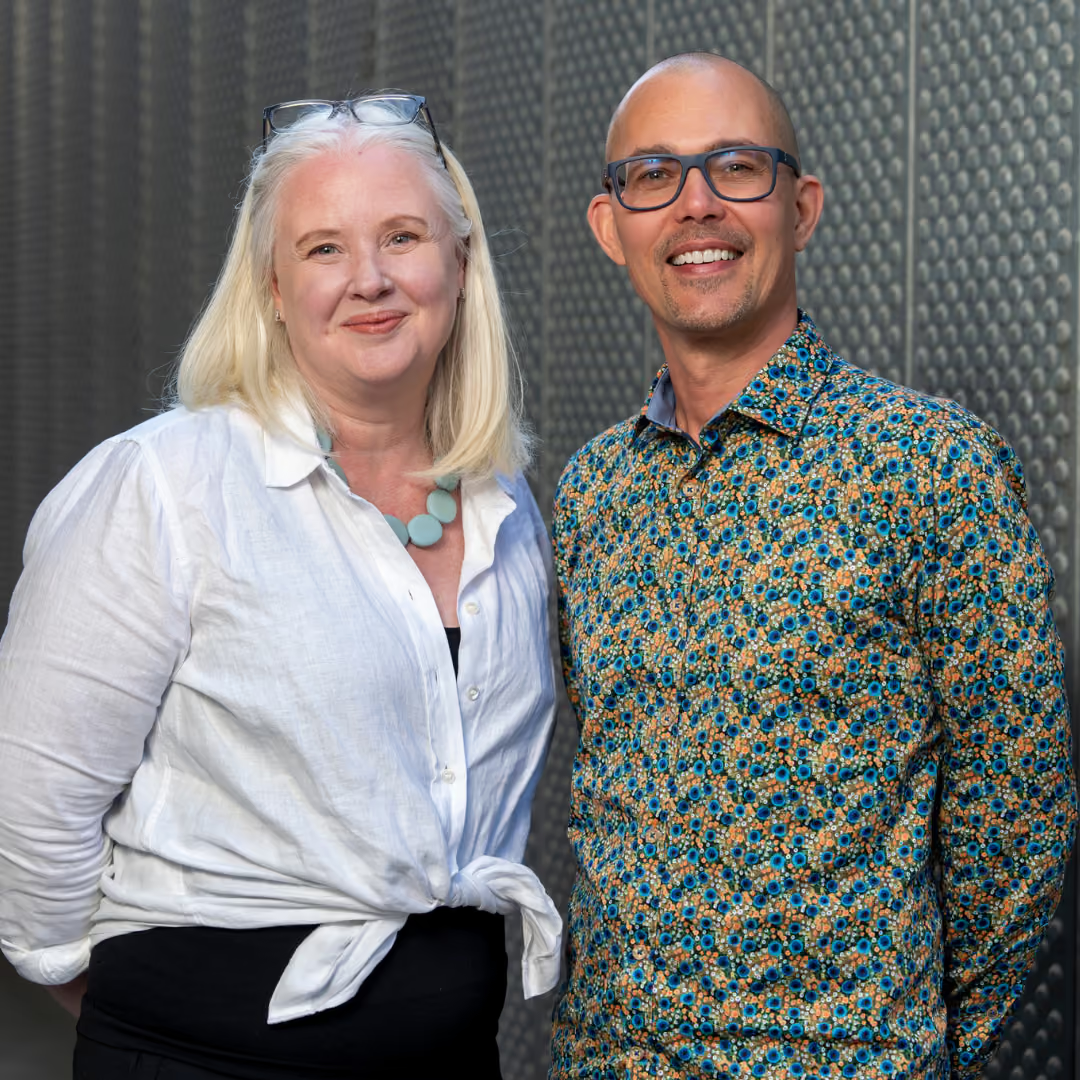
Genomic medicine has transformed rare disease diagnosis, but the genomic data used to identify genetic changes has historically been drawn mostly from people of European ancestry. This can make it harder to interpret results for families from other backgrounds and means some may be less likely to receive a clear diagnosis. Professor Daniel MacArthur and his team at the Centre for Population Genomics – a joint initiative between Murdoch Children’s Research Institute (MCRI) and Garvan Institute of Medical Research – are working to close this gap. The team is building more representative genomic resources and developing tools that help clinicians find answers faster, for all families.
The progress
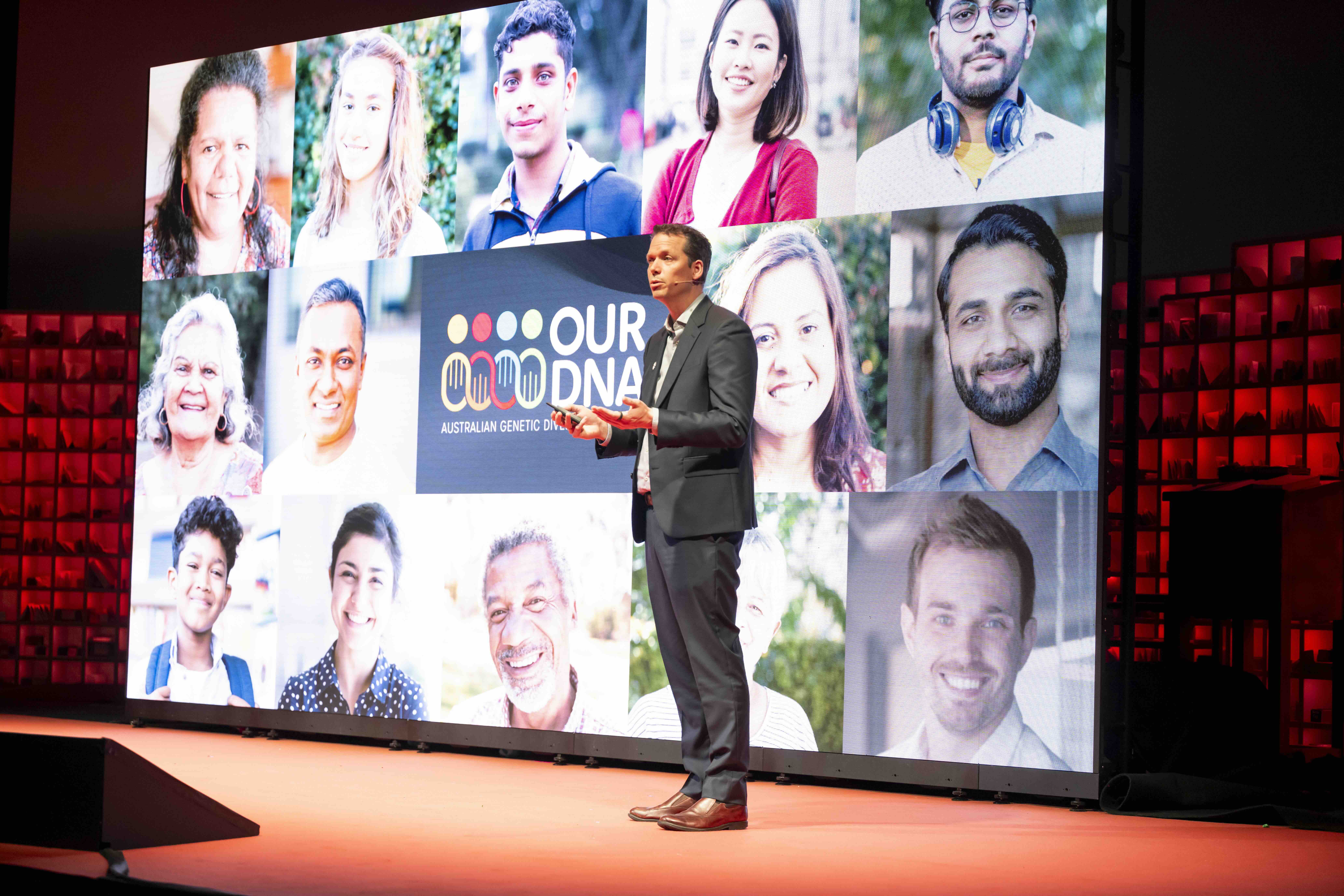
This year, the Centre made important progress towards making rare disease diagnosis faster and more accessible. A key part of this work is ensuring genomic resources better reflect Australia’s diverse communities. Through the CPG OurDNA program, more than 3,200 people from communities currently underrepresented in genomic research have contributed to building a more representative genomic resource for Australia. Participants include Filipino, Vietnamese, Samoan, Fijian, Tongan, Lebanese, Syrian, Palestinian and Jordanian Australian communities, helping address gaps in the data needed to improve diagnostic outcomes for more families.
Alongside building better resources, the team is developing new ways to turn genomic information into answers, faster. Talos, an innovative tool that re-examines existing genomic data as new scientific discoveries emerge, has already helped identify 350 new diagnoses and now runs monthly on over 15,000 undiagnosed patients. By making the tool freely available, the team is helping laboratories around the world use new discoveries to accelerate diagnoses for more families.
These advances are built on CaRDinal, the Centre’s national genomic platform, which brings together genomic data from 10,000 people across 34 sites nationally and supports almost 300 researchers. This collaborative approach helped uncover the role of the RNU4-2 gene in neurodevelopmental disorders and identify an entirely new genetic condition, giving affected families answers where none previously existed.
Hearts & Minds funding has helped sustain the specialist researchers, data generation and technology driving this work. By supporting the continued development of genomic resources and diagnostic tools, it has helped strengthen Australia’s rare disease research program and contributed to new partnerships and further investment, including a $3 million Australian Government grant to expand CaRDinal as a national resource for rare disease research and diagnosis.
The impact
This work is already changing outcomes for families living with rare diseases. Through Talos, hundreds of previously undiagnosed families have received confirmed diagnoses, helping guide medical care, family planning decisions and connections to support networks.
Annabelle’s story shows how these discoveries can translate into meaningful outcomes for families. After years without an explanation for her severe intellectual and physical disabilities, Annabelle’s stored genomic data was reanalysed using Talos. The tool identified changes in the RNU4-2 gene, building on the discovery made possible through the collaborative research enabled by CaRDinal. For her family, the diagnosis brought relief and connection.
Professor MacArthur said the Centre’s goal is a future where every family living with a rare disease, regardless of ancestry, can receive an accurate diagnosis sooner.
“Talos gave us answers among the uncertainty, and connects you to an international community of families who truly understand what you’re going through,” he said.
“Every family living with a rare disease deserves an answer, no matter where they come from. By bringing together representative data, better tools and a coordinated national effort, we can make timely, equitable diagnosis a reality for families who have waited far too long.”
Funding support from Hearts & Minds, as nominated by Core Fund Manager, Tribeca Investment Partners. This content was last updated in July 2026. For further information, visit the Centre for Population Genomics.