Giving families living with rare diseases the answers they need

Supporting research to improve the diagnosis of rare genetic neuromuscular diseases and build the foundations for future treatments.
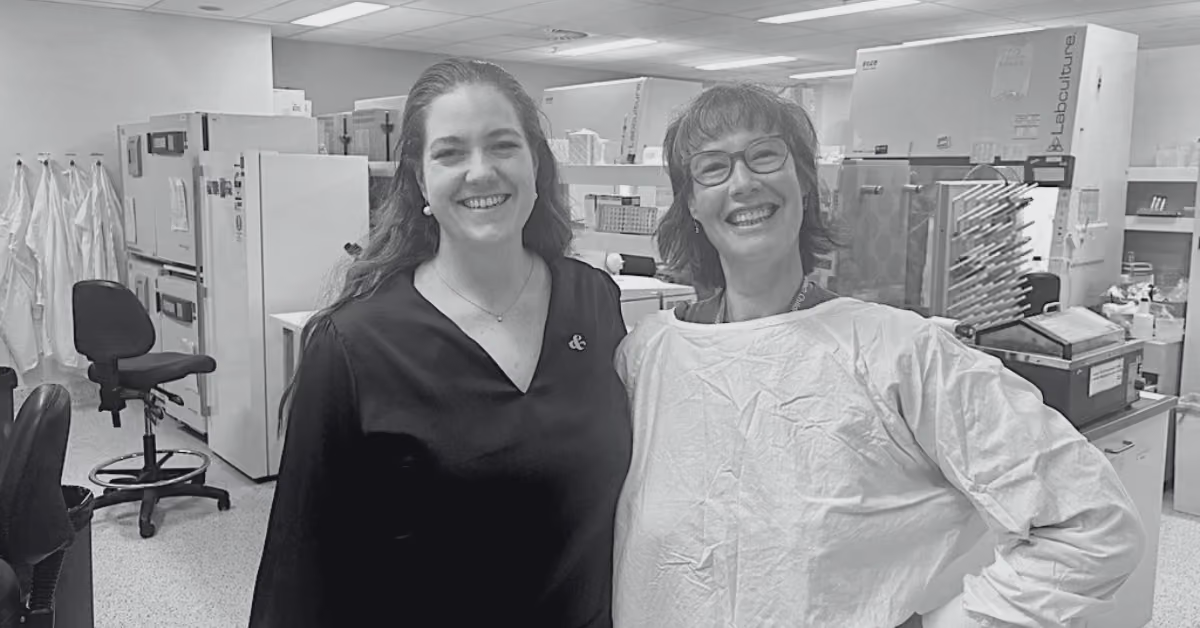
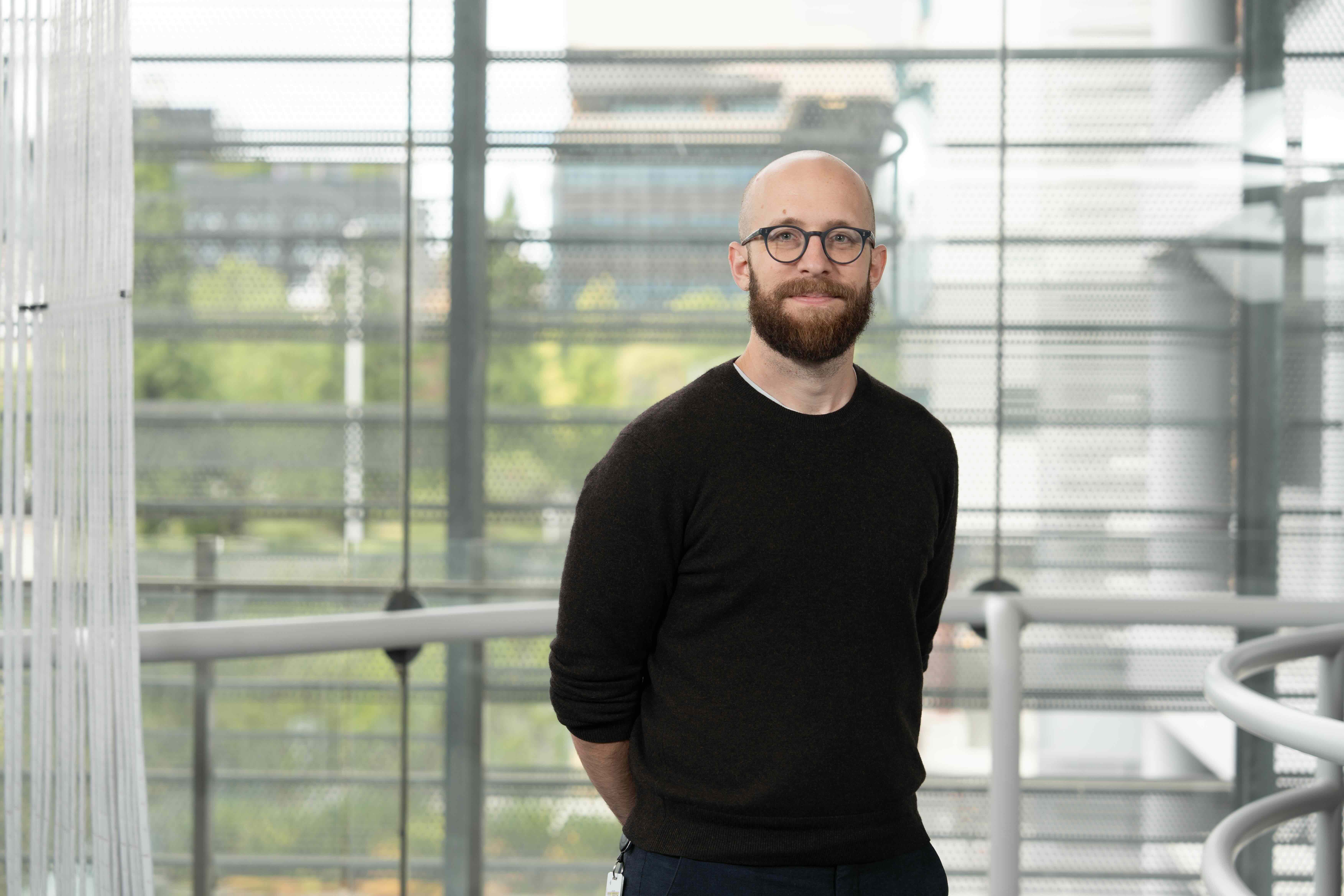
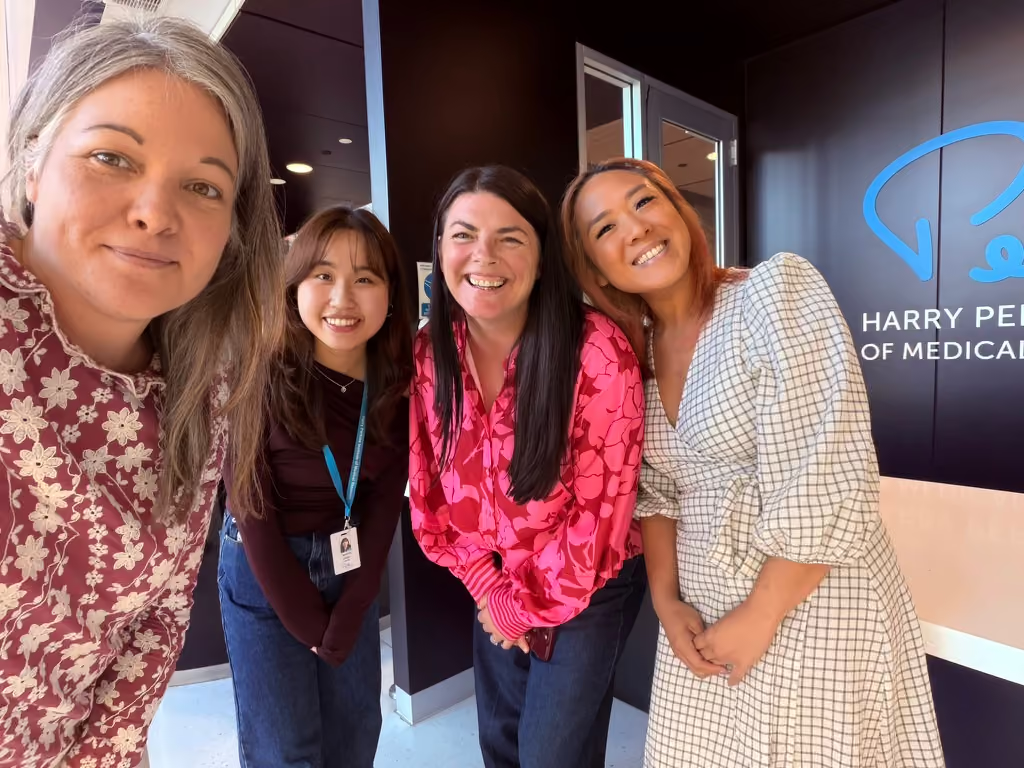
Picture: Professor Gina Ravenscroft and her team

Giving families living with rare diseases the answers they need

July 1, 2026
Supporting research to improve the diagnosis of rare genetic neuromuscular diseases and build the foundations for future treatments.
Read Transcript

The challenge

Rare diseases collectively affect around 400 million people worldwide, half of whom are children. Approximately 30% of children diagnosed with a rare disease die before their 5th birthday. More than 80% of rare diseases are genetic.¹ 

Neuromuscular disorders are one group of rare diseases and are a diverse collection of hundreds of genetically distinct conditions that affect the nerves and muscles. The most common symptom is muscle weakness. While severity varies, many children experience significant disability and may require lifelong support with breathing, feeding or mobility.

Although researchers have identified more than 700 genes linked to these conditions, more than half of people living with a neuromuscular disease still do not receive a genetic diagnosis after standard clinical testing. Without knowing the underlying cause, families are left without clear answers about their condition, future care or treatment options.

Professor Gina Ravenscroft and her team at the Harry Perkins Institute of Medical Research (Perkins) are working to change this by uncovering previously unknown genetic causes of rare diseases and helping more families receive an accurate diagnosis.


The role of philanthropy

Hearts & Minds funding, as nominated by Magellan Investment Partners, has helped Perkins retain talented researchers and support the next generation of scientists through PhD scholarships, ensuring critical expertise remains focused on rare disease research.

During 2025–26, the team identified four previously unknown neuromuscular disease genes and improved the interpretation of several other rare genetic conditions. Among these discoveries was a diagnosis for Valentina, a young girl in Sydney living with an ultra-rare condition, giving her family long-awaited answers.

Hearts & Minds support has also contributed to the team's role in establishing the Rare Care Comprehensive Centre (RCCC) in Western Australia. Bringing together healthcare, research, education, disability and family support services, the Centre aims to provide more coordinated care for people living with rare diseases while accelerating research and future clinical advances. 

As part of this initiative, Hearts & Minds support has also contributed to Professor Gina Ravenscroft’s appointment as the inaugural Dr Patricia Kailis Chair in Rare Diseases at the University of Western Australia, strengthening Australia's capacity to lead rare disease research for years to come.

Early impact

To date, researchers at Perkins have identified more than 30 previously unknown disease genes and helped provide accurate genetic diagnoses to more than 1,000 patients and families. Each new diagnosis represents far more than a scientific discovery. It can guide medical care, inform future family planning, connect families with others facing the same condition and, increasingly, open the door to emerging precision medicine approaches.

What this could unlock

The Perkins team is continuing to search for the genetic causes of rare neuromuscular diseases that remain unsolved. This includes identifying new disease genes, improving genetic diagnosis for patients and families, and building knowledge about how these conditions develop.

The team is also continuing to build valuable research resources, including patient biobanks, and train the next generation of rare disease researchers. By sharing discoveries with researchers around the world, this work helps improve understanding, diagnosis and future care for people living with rare diseases.

With continued philanthropic support, more families can receive timely answers, researchers can accelerate the search for new treatments, and Australia can continue to strengthen its role in rare disease research.

Funding support from Hearts & Minds, as nominated by Magellan Investment Partners. This content was last updated in July 2026. For further information, visit Harry Perkins Institute of Medical Research.

¹ Source: Gürkan, H. & Satkın, N. B. (2025). The Importance of Genetic Diagnosis in Rare Diseases. Balkan Medical Journal, 42(2), 92–93.
The challenge

Rare diseases collectively affect around 400 million people worldwide, half of whom are children. Approximately 30% of children diagnosed with a rare disease die before their 5th birthday. More than 80% of rare diseases are genetic.¹ 

Neuromuscular disorders are one group of rare diseases and are a diverse collection of hundreds of genetically distinct conditions that affect the nerves and muscles. The most common symptom is muscle weakness. While severity varies, many children experience significant disability and may require lifelong support with breathing, feeding or mobility.

Although researchers have identified more than 700 genes linked to these conditions, more than half of people living with a neuromuscular disease still do not receive a genetic diagnosis after standard clinical testing. Without knowing the underlying cause, families are left without clear answers about their condition, future care or treatment options.

Professor Gina Ravenscroft and her team at the Harry Perkins Institute of Medical Research (Perkins) are working to change this by uncovering previously unknown genetic causes of rare diseases and helping more families receive an accurate diagnosis.


The role of philanthropy

Hearts & Minds funding, as nominated by Magellan Investment Partners, has helped Perkins retain talented researchers and support the next generation of scientists through PhD scholarships, ensuring critical expertise remains focused on rare disease research.

During 2025–26, the team identified four previously unknown neuromuscular disease genes and improved the interpretation of several other rare genetic conditions. Among these discoveries was a diagnosis for Valentina, a young girl in Sydney living with an ultra-rare condition, giving her family long-awaited answers.

Hearts & Minds support has also contributed to the team's role in establishing the Rare Care Comprehensive Centre (RCCC) in Western Australia. Bringing together healthcare, research, education, disability and family support services, the Centre aims to provide more coordinated care for people living with rare diseases while accelerating research and future clinical advances. 

As part of this initiative, Hearts & Minds support has also contributed to Professor Gina Ravenscroft’s appointment as the inaugural Dr Patricia Kailis Chair in Rare Diseases at the University of Western Australia, strengthening Australia's capacity to lead rare disease research for years to come.

Early impact

To date, researchers at Perkins have identified more than 30 previously unknown disease genes and helped provide accurate genetic diagnoses to more than 1,000 patients and families. Each new diagnosis represents far more than a scientific discovery. It can guide medical care, inform future family planning, connect families with others facing the same condition and, increasingly, open the door to emerging precision medicine approaches.

What this could unlock

The Perkins team is continuing to search for the genetic causes of rare neuromuscular diseases that remain unsolved. This includes identifying new disease genes, improving genetic diagnosis for patients and families, and building knowledge about how these conditions develop.

The team is also continuing to build valuable research resources, including patient biobanks, and train the next generation of rare disease researchers. By sharing discoveries with researchers around the world, this work helps improve understanding, diagnosis and future care for people living with rare diseases.

With continued philanthropic support, more families can receive timely answers, researchers can accelerate the search for new treatments, and Australia can continue to strengthen its role in rare disease research.

Funding support from Hearts & Minds, as nominated by Magellan Investment Partners. This content was last updated in July 2026. For further information, visit Harry Perkins Institute of Medical Research.

¹ Source: Gürkan, H. & Satkın, N. B. (2025). The Importance of Genetic Diagnosis in Rare Diseases. Balkan Medical Journal, 42(2), 92–93.
Disclaimer: This material has been prepared by Hearts & Minds, published on July 1, 2026. HM1 is not responsible for the content of linked websites or content prepared by third party. The inclusion of these links and third-party content does not in any way imply any form of endorsement by HM1 of the products or services provided by persons or organisations who are responsible for the linked websites and third-party content. This information is for general information only and does not consider the objectives, financial situation or needs of any person. Before making an investment decision, you should read the relevant disclosure document (if appropriate) and seek professional advice to determine whether the investment and information is suitable for you.

facebook
linkedin
All
Thank you! Your submission has been received!
Oops! Something went wrong while submitting the form.
Picture: A/Prof Melissa Call & Prof Matt CallPicture: A/Prof Melissa Call & Prof Matt CallPicture: A/Prof Melissa Call & Prof Matt CallPicture: A/Prof Melissa Call & Prof Matt Call
July 1, 2026

Next generation CAR T-cell therapy for cancer

The Call Lab at WEHI is pioneering innovative approaches to find this ‘goldilocks zone’, making CAR T-cell therapy safer and more effective.

Read More
Picture: Associate Professor Neale CohenPicture: Associate Professor Neale CohenPicture: Associate Professor Neale CohenPicture: Associate Professor Neale Cohen
July 1, 2026

Revolutionising Diabetes Care

Improving diabetes care has the potential to transform individual health outcomes while strengthening the wellbeing of entire communities.

Read More
HM1 Chief Operating Officer Maggie O’Neill with A/Prof Elizabeth Ng at the Murdoch Children's Research Institute in Melbourne (March 2026).HM1 Chief Operating Officer Maggie O’Neill with A/Prof Elizabeth Ng at the Murdoch Children's Research Institute in Melbourne (March 2026).HM1 Chief Operating Officer Maggie O’Neill with A/Prof Elizabeth Ng at the Murdoch Children's Research Institute in Melbourne (March 2026).HM1 Chief Operating Officer Maggie O’Neill with A/Prof Elizabeth Ng at the Murdoch Children's Research Institute in Melbourne (March 2026).
May 4, 2026

How science turned back the clock of human development to create a miracle blood stem cell

Many thought it could never be done. But three Murdoch Children’s Research Institute scientists recreated embryonic development to crack the blood stem cell code.

Read More
November 15, 2024

Professor Alex Brown in conversation with Professor Jason Kovacic

At the 2024 Sohn Hearts & Minds Conference, we heard from Professor Alex Brown in conversation with Professor Jason Kovacic about Indigenous heart health and genomics.

Read More

A/Professor Tim Sargeant | 2024 Sohn Hearts & Minds Conference

Associate Professor Tim Sargeant has been at SAHMRI (South Australian Health and Medical Research Institute) in Adelaide where he studies the role of lysosomes in Alzheimer’s disease.

Read More
July 1, 2026

Unlocking the mysteries of the human brain

The Sydney Brain Bank is helping researchers uncover the causes of neurodegenerative disease and build a future with better diagnosis, treatment and prevention.

Read More
Bionics Institute researchers A/Prof Sophie Payne and Dr Tomoko Hyakumura.Bionics Institute researchers A/Prof Sophie Payne and Dr Tomoko Hyakumura.Bionics Institute researchers A/Prof Sophie Payne and Dr Tomoko Hyakumura.Bionics Institute researchers A/Prof Sophie Payne and Dr Tomoko Hyakumura.
July 1, 2026

A new approach to Parkinson’s Disease

Exploring nerve stimulation as a potential treatment.

Read More
Dr Eleanor Drummond presenting at the 2025 Sohn Hearts & Minds ConferenceDr Eleanor Drummond presenting at the 2025 Sohn Hearts & Minds ConferenceDr Eleanor Drummond presenting at the 2025 Sohn Hearts & Minds ConferenceDr Eleanor Drummond presenting at the 2025 Sohn Hearts & Minds Conference
July 1, 2026

Revealing what drives PSP

Mapping the biological changes behind progressive supranuclear palsy in the brain.

Read More
Picture: Dr Jennifer SnaithPicture: Dr Jennifer SnaithPicture: Dr Jennifer SnaithPicture: Dr Jennifer Snaith
July 1, 2026

Advancing treatment options for type 1 diabetes

Improving blood glucose and reducing insulin needs.

Read More
Picture: Dr Hamish KingPicture: Dr Hamish KingPicture: Dr Hamish KingPicture: Dr Hamish King
July 1, 2026

Solving the genetic causes of autoimmune diseases

Mapping hundreds of risk markers to better understand how these diseases develop and progress

Read More
July 1, 2026

The Future of Pain Management

Enhancing healthcare professionals' ability to deliver better pain management, now and into the future.

Read More
July 1, 2026

Harnessing the power of stem cell technology

Developing cell therapies for patients with blood diseases

Read More
Picture: Professor Kazuaki NegishiPicture: Professor Kazuaki NegishiPicture: Professor Kazuaki NegishiPicture: Professor Kazuaki Negishi
July 1, 2026

Protecting the heart when every minute matters

Investigating a new treatment to reduce heart damage after heart attacks

Read More
Picture: Associate Professor Orazio VittorioPicture: Associate Professor Orazio VittorioPicture: Associate Professor Orazio VittorioPicture: Associate Professor Orazio Vittorio
July 1, 2026

Targeting the drivers of cancer growth

Exploring how extrachromosomal DNA (ecDNA) drives cancer growth, spread and treatment resistance.

Read More
July 1, 2026

Improving the diagnosis of muscle disorders using advanced genetic testing

Focused on improving the efficiency and accuracy of diagnosing muscle disorders.

Read More