Harnessing the power of stem cell technology

Developing cell therapies for patients with blood diseases

Harnessing the power of stem cell technology

July 1, 2026
Developing cell therapies for patients with blood diseases
Read Transcript

The challenge

Each year in Australia, more than 2,000 people receive blood stem cell transplants to treat serious conditions including blood cancers, bone marrow disorders and immune diseases. For many patients, treatment depends on finding a closely matched donor. When no suitable match is available, the risks increase significantly, including serious and sometimes life-threatening complications. As a result, not every patient can access a safe transplant when they need one.

Riya’s experience reflects this challenge. She was diagnosed with severe aplastic anaemia at age 11. With no fully matched donor available, she received a partially matched transplant from her mother. While the transplant was successful, she experienced significant complications as a result of the imperfect match and spent three months in hospital.

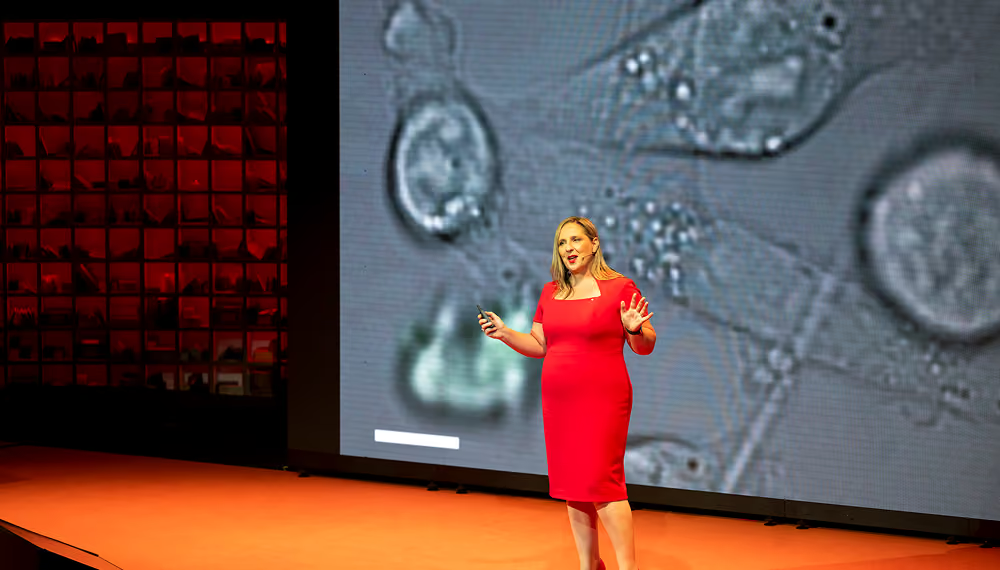
Experiences like Riya’s are driving the work of the Blood Development Group, co-led by Professor Andrew Elefanty and Associate Professor Elizabeth Ng at Murdoch Children’s Research Institute. Researchers are developing blood stem cells from a patient’s own cells, which could allow patients to receive a transplant made specifically for them, without relying on donor matching.

The breakthrough

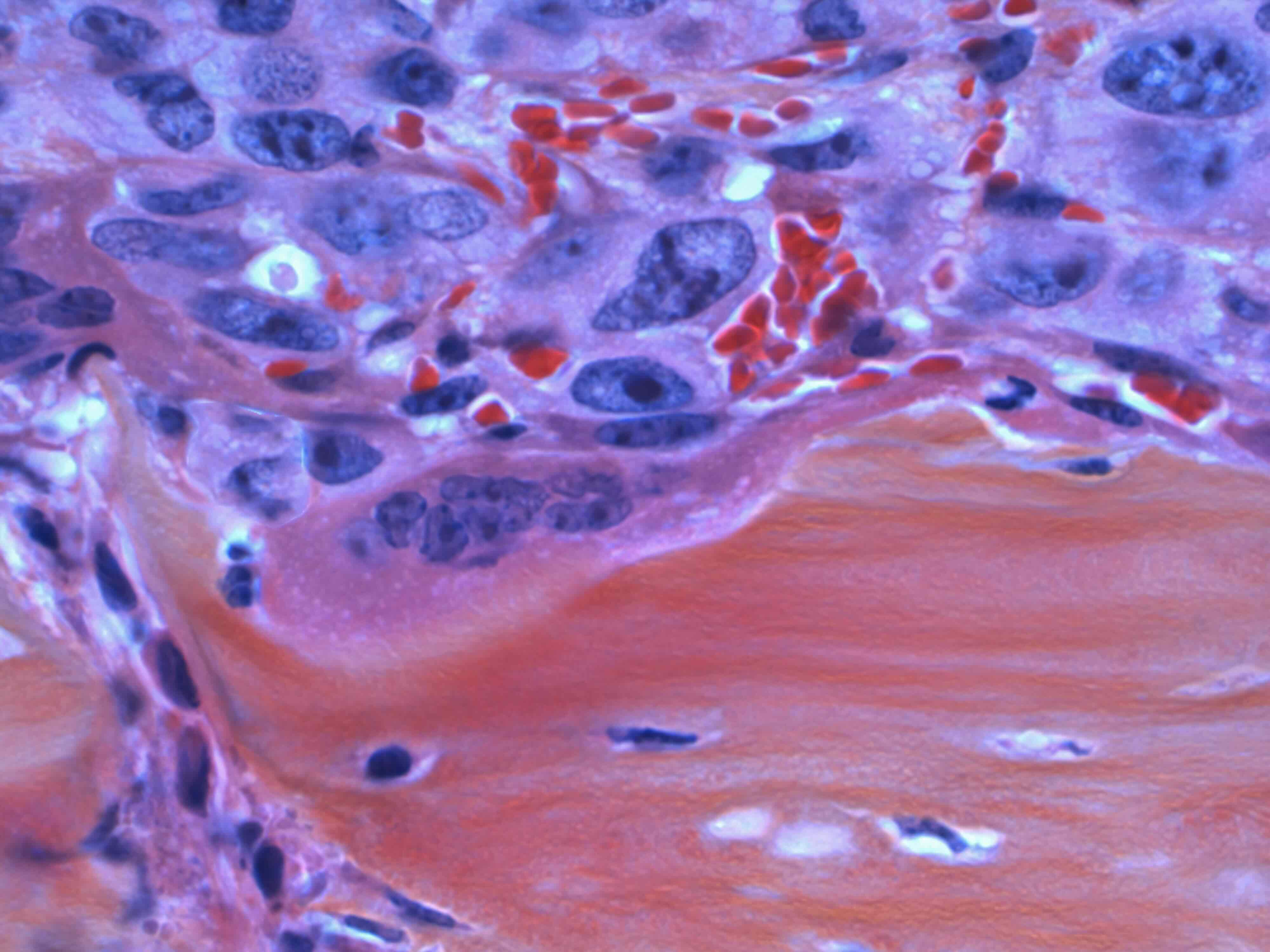
The team has demonstrated a pathway toward creating blood stem cells in the laboratory - cells capable of developing into the key types of blood cells the body needs, including infection-fighting immune cells and red blood cells.

In early studies, these lab-grown cells have successfully established and regenerated blood systems in pre-clinical models, demonstrating their potential for blood stem cell transplantation. Importantly, this early success has since been translated into a scalable process that has been assessed as suitable for clinical-grade manufacturing, bringing it one step closer to future patient treatments.

For a patient like Riya, this would mean a very different path, with a treatment built from her own cells, without the need for a donor search or the complications that come with a partial match.

The role of philanthropy

Hearts & Minds funding, as nominated by Munro Partners, has supported this work at a critical early stage, enabling the development and testing of laboratory-grown blood stem cells. This support has helped accelerate progress from concept toward validated early results.

This is where philanthropy can make a difference: flexible funding that enables researchers to pursue ambitious ideas, retain highly skilled staff, and maintain momentum between major grant funding cycles. Without it, promising early science often stalls before it can generate the evidence needed to scale.

What this could unlock

The technology developed by the Blood Development Group is already being used by research laboratories globally to accelerate studies into blood diseases and gene therapies. Its significance has been recognised through major publications, international collaborations, and a $35 million commercial licensing agreement with US biotechnology company Retro Biosciences (2025), validating both its scientific credibility and its clinical potential.

"This research brings us closer to a future where patients can receive blood stem cell transplants created from their own cells. By turning patients into their own perfect donor, we have the potential to transform treatment for blood diseases and dramatically improve outcomes."

A/Prof Elizabeth Ng

The next phase of the project will focus on translating this laboratory breakthrough into clinical trials and scalable manufacturing, bringing personalised blood stem cell transplants closer to patients like Riya and others still waiting for a match.

Funding support from Hearts & Minds, as nominated by Core Fund Manager, Munro Partners. This content was last updated in July 2026. For further information, visit Murdoch Children's Research Institute.

The challenge

Each year in Australia, more than 2,000 people receive blood stem cell transplants to treat serious conditions including blood cancers, bone marrow disorders and immune diseases. For many patients, treatment depends on finding a closely matched donor. When no suitable match is available, the risks increase significantly, including serious and sometimes life-threatening complications. As a result, not every patient can access a safe transplant when they need one.

Riya’s experience reflects this challenge. She was diagnosed with severe aplastic anaemia at age 11. With no fully matched donor available, she received a partially matched transplant from her mother. While the transplant was successful, she experienced significant complications as a result of the imperfect match and spent three months in hospital.

Experiences like Riya’s are driving the work of the Blood Development Group, co-led by Professor Andrew Elefanty and Associate Professor Elizabeth Ng at Murdoch Children’s Research Institute. Researchers are developing blood stem cells from a patient’s own cells, which could allow patients to receive a transplant made specifically for them, without relying on donor matching.

The breakthrough

The team has demonstrated a pathway toward creating blood stem cells in the laboratory - cells capable of developing into the key types of blood cells the body needs, including infection-fighting immune cells and red blood cells.

In early studies, these lab-grown cells have successfully established and regenerated blood systems in pre-clinical models, demonstrating their potential for blood stem cell transplantation. Importantly, this early success has since been translated into a scalable process that has been assessed as suitable for clinical-grade manufacturing, bringing it one step closer to future patient treatments.

For a patient like Riya, this would mean a very different path, with a treatment built from her own cells, without the need for a donor search or the complications that come with a partial match.

The role of philanthropy

Hearts & Minds funding, as nominated by Munro Partners, has supported this work at a critical early stage, enabling the development and testing of laboratory-grown blood stem cells. This support has helped accelerate progress from concept toward validated early results.

This is where philanthropy can make a difference: flexible funding that enables researchers to pursue ambitious ideas, retain highly skilled staff, and maintain momentum between major grant funding cycles. Without it, promising early science often stalls before it can generate the evidence needed to scale.

What this could unlock

The technology developed by the Blood Development Group is already being used by research laboratories globally to accelerate studies into blood diseases and gene therapies. Its significance has been recognised through major publications, international collaborations, and a $35 million commercial licensing agreement with US biotechnology company Retro Biosciences (2025), validating both its scientific credibility and its clinical potential.

"This research brings us closer to a future where patients can receive blood stem cell transplants created from their own cells. By turning patients into their own perfect donor, we have the potential to transform treatment for blood diseases and dramatically improve outcomes."

A/Prof Elizabeth Ng

The next phase of the project will focus on translating this laboratory breakthrough into clinical trials and scalable manufacturing, bringing personalised blood stem cell transplants closer to patients like Riya and others still waiting for a match.

Funding support from Hearts & Minds, as nominated by Core Fund Manager, Munro Partners. This content was last updated in July 2026. For further information, visit Murdoch Children's Research Institute.

Disclaimer: This material has been prepared by Hearts & Minds, published on July 1, 2026. HM1 is not responsible for the content of linked websites or content prepared by third party. The inclusion of these links and third-party content does not in any way imply any form of endorsement by HM1 of the products or services provided by persons or organisations who are responsible for the linked websites and third-party content. This information is for general information only and does not consider the objectives, financial situation or needs of any person. Before making an investment decision, you should read the relevant disclosure document (if appropriate) and seek professional advice to determine whether the investment and information is suitable for you.

facebook
linkedin
All
Thank you! Your submission has been received!
Oops! Something went wrong while submitting the form.
September 8, 2020

Beneficiary Profile: Black Dog Institute

1 in 5 of us will experience symptoms of mental illness in any given year. In Australia that’s around 5 million people. And roughly 60% of these people won’t seek help. Learn what Black Dog is doing to create a mentally healthier world for everyone.

Read More
August 10, 2020

Beneficiary Profile: RPA Green Light

Emergency departments are the frontline of health care, with one in seven Australians seeking help from a hospital emergency department every year. Our medical staff depend on research findings to help inform their responses to urgent patient needs.

Read More
July 7, 2020

Beneficiary Profile: The Florey

Every year, 4.7 million Australians are diagnosed with one of the conditions that the Florey study. That's why they believe everyone has a stake in medical research.

Read More
June 9, 2020

Beneficiary Profile: Orygen

1 in 5 young people will have experienced a depressive episode by the time they are 18. With thanks to Cooper Investors and Hearts & Minds, we have been able to put youth mental health on the global agenda and progress our work in developing a global mental health framework.

Read More
November 22, 2019

Impact Video Series: Sydney Children's Hospital Foundation

We interviewed leading individuals from our beneficiaries to discuss the importance of medical research, their recent breakthroughs and the vital need for private funding.

Read More
May 29, 2019

Winning Hearts and Minds

Mark Nelson of Caledonia discusses his connection with the Florey Institute, one of our beneficiaries, and why he's involved with Hearts and Minds.

Read More