Harnessing the power of stem cell technology

Developing cell therapies for patients with blood diseases

Harnessing the power of stem cell technology

July 1, 2026
Developing cell therapies for patients with blood diseases
Read Transcript

The challenge

Each year in Australia, more than 2,000 people receive blood stem cell transplants to treat serious conditions including blood cancers, bone marrow disorders and immune diseases. For many patients, treatment depends on finding a closely matched donor. When no suitable match is available, the risks increase significantly, including serious and sometimes life-threatening complications. As a result, not every patient can access a safe transplant when they need one.

Riya’s experience reflects this challenge. She was diagnosed with severe aplastic anaemia at age 11. With no fully matched donor available, she received a partially matched transplant from her mother. While the transplant was successful, she experienced significant complications as a result of the imperfect match and spent three months in hospital.

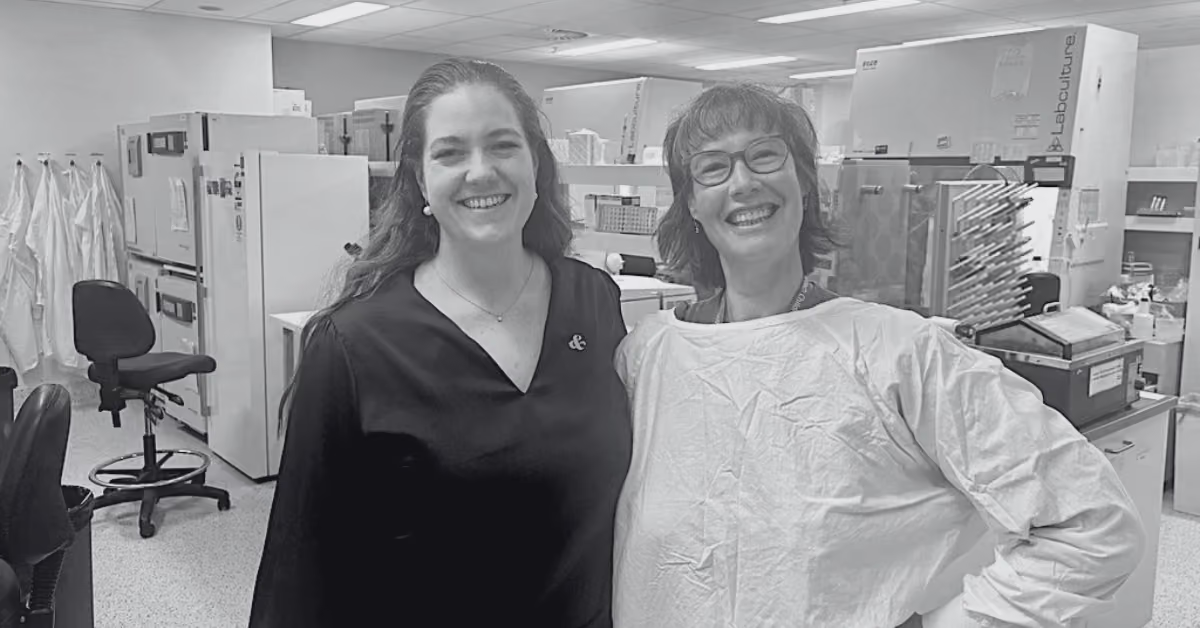
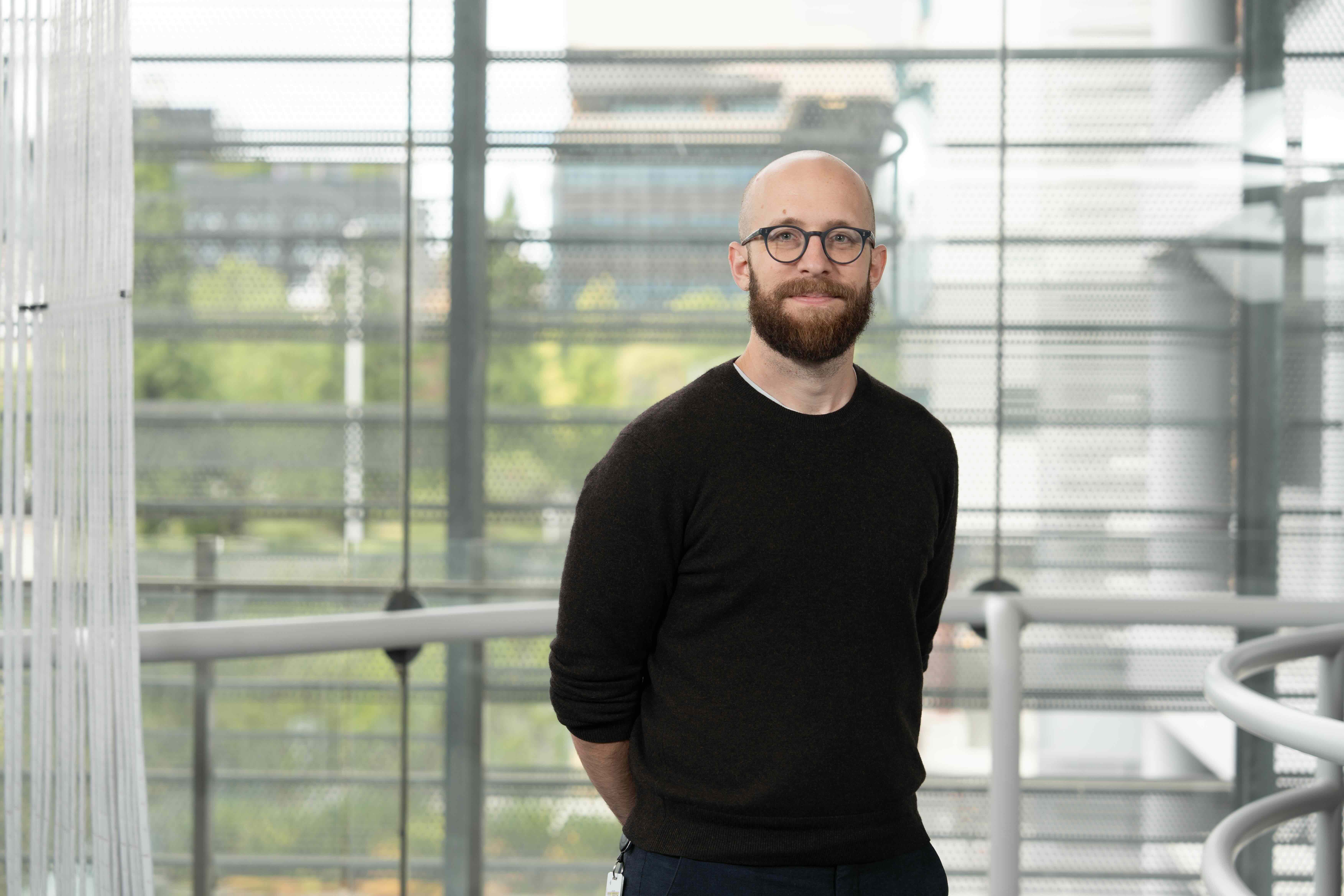
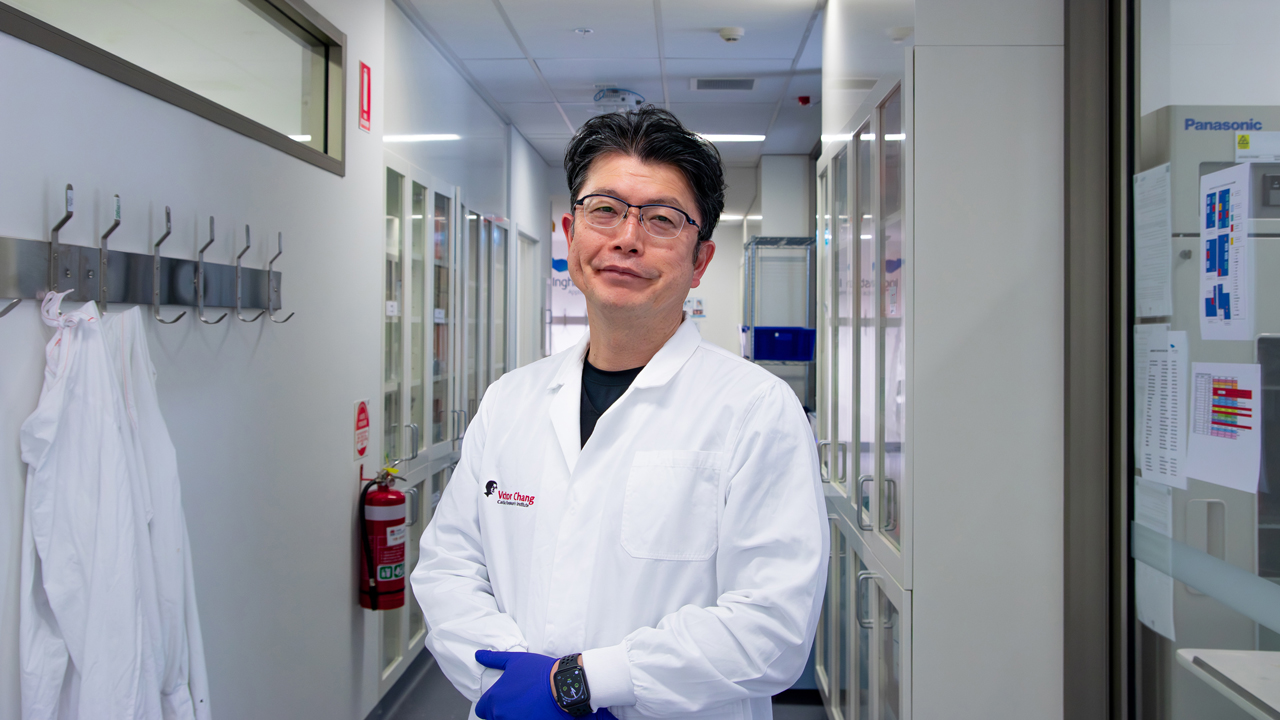
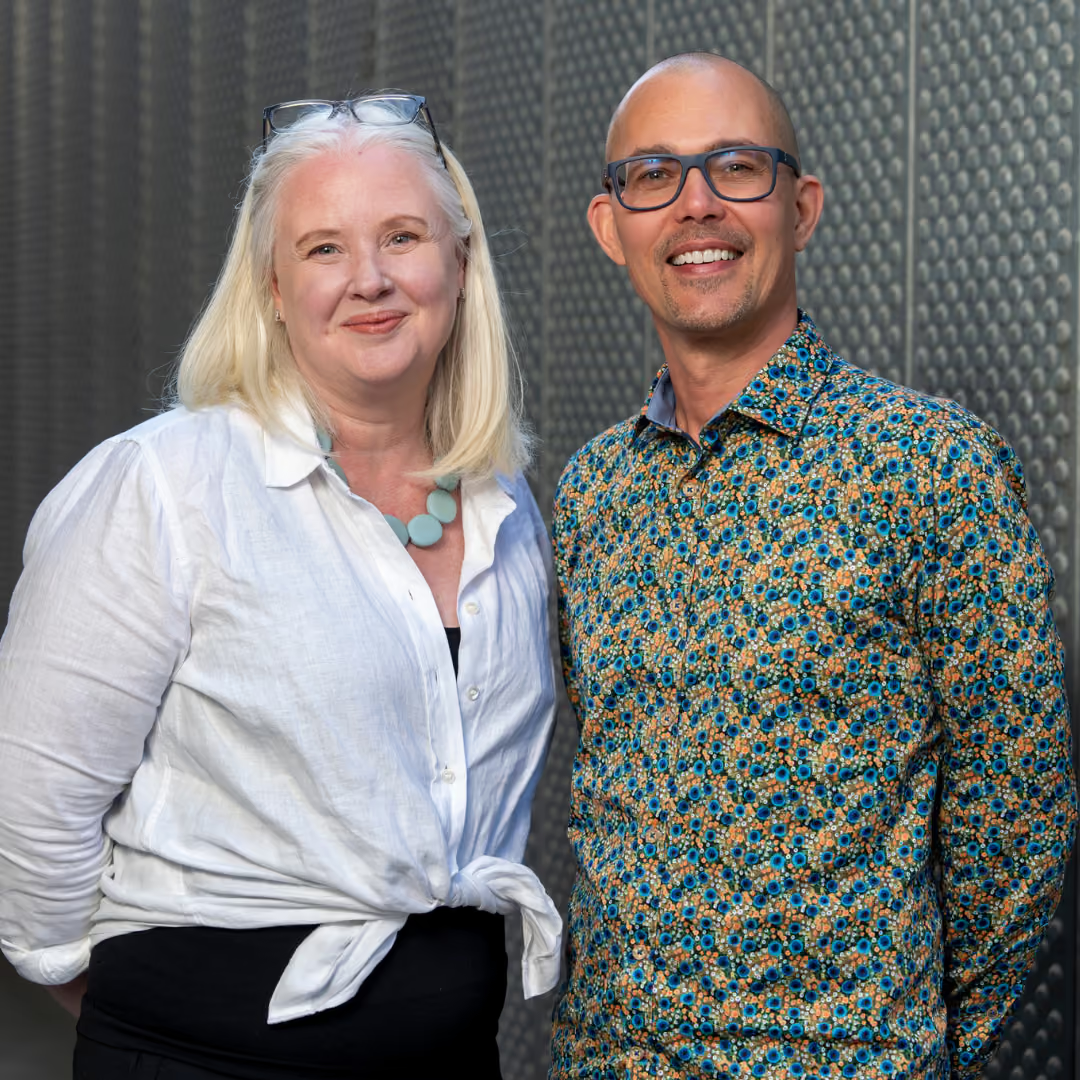
Experiences like Riya’s are driving the work of the Blood Development Group, co-led by Professor Andrew Elefanty and Associate Professor Elizabeth Ng at Murdoch Children’s Research Institute. Researchers are developing blood stem cells from a patient’s own cells, which could allow patients to receive a transplant made specifically for them, without relying on donor matching.

The breakthrough

The team has demonstrated a pathway toward creating blood stem cells in the laboratory - cells capable of developing into the key types of blood cells the body needs, including infection-fighting immune cells and red blood cells.

In early studies, these lab-grown cells have successfully established and regenerated blood systems in pre-clinical models, demonstrating their potential for blood stem cell transplantation. Importantly, this early success has since been translated into a scalable process that has been assessed as suitable for clinical-grade manufacturing, bringing it one step closer to future patient treatments.

For a patient like Riya, this would mean a very different path, with a treatment built from her own cells, without the need for a donor search or the complications that come with a partial match.

The role of philanthropy

Hearts & Minds funding, as nominated by Munro Partners, has supported this work at a critical early stage, enabling the development and testing of laboratory-grown blood stem cells. This support has helped accelerate progress from concept toward validated early results.

This is where philanthropy can make a difference: flexible funding that enables researchers to pursue ambitious ideas, retain highly skilled staff, and maintain momentum between major grant funding cycles. Without it, promising early science often stalls before it can generate the evidence needed to scale.

What this could unlock

The technology developed by the Blood Development Group is already being used by research laboratories globally to accelerate studies into blood diseases and gene therapies. Its significance has been recognised through major publications, international collaborations, and a $35 million commercial licensing agreement with US biotechnology company Retro Biosciences (2025), validating both its scientific credibility and its clinical potential.

"This research brings us closer to a future where patients can receive blood stem cell transplants created from their own cells. By turning patients into their own perfect donor, we have the potential to transform treatment for blood diseases and dramatically improve outcomes."

A/Prof Elizabeth Ng

The next phase of the project will focus on translating this laboratory breakthrough into clinical trials and scalable manufacturing, bringing personalised blood stem cell transplants closer to patients like Riya and others still waiting for a match.

Funding support from Hearts & Minds, as nominated by Core Fund Manager, Munro Partners. This content was last updated in July 2026. For further information, visit Murdoch Children's Research Institute.
The challenge

Each year in Australia, more than 2,000 people receive blood stem cell transplants to treat serious conditions including blood cancers, bone marrow disorders and immune diseases. For many patients, treatment depends on finding a closely matched donor. When no suitable match is available, the risks increase significantly, including serious and sometimes life-threatening complications. As a result, not every patient can access a safe transplant when they need one.

Riya’s experience reflects this challenge. She was diagnosed with severe aplastic anaemia at age 11. With no fully matched donor available, she received a partially matched transplant from her mother. While the transplant was successful, she experienced significant complications as a result of the imperfect match and spent three months in hospital.

Experiences like Riya’s are driving the work of the Blood Development Group, co-led by Professor Andrew Elefanty and Associate Professor Elizabeth Ng at Murdoch Children’s Research Institute. Researchers are developing blood stem cells from a patient’s own cells, which could allow patients to receive a transplant made specifically for them, without relying on donor matching.

The breakthrough

The team has demonstrated a pathway toward creating blood stem cells in the laboratory - cells capable of developing into the key types of blood cells the body needs, including infection-fighting immune cells and red blood cells.

In early studies, these lab-grown cells have successfully established and regenerated blood systems in pre-clinical models, demonstrating their potential for blood stem cell transplantation. Importantly, this early success has since been translated into a scalable process that has been assessed as suitable for clinical-grade manufacturing, bringing it one step closer to future patient treatments.

For a patient like Riya, this would mean a very different path, with a treatment built from her own cells, without the need for a donor search or the complications that come with a partial match.

The role of philanthropy

Hearts & Minds funding, as nominated by Munro Partners, has supported this work at a critical early stage, enabling the development and testing of laboratory-grown blood stem cells. This support has helped accelerate progress from concept toward validated early results.

This is where philanthropy can make a difference: flexible funding that enables researchers to pursue ambitious ideas, retain highly skilled staff, and maintain momentum between major grant funding cycles. Without it, promising early science often stalls before it can generate the evidence needed to scale.

What this could unlock

The technology developed by the Blood Development Group is already being used by research laboratories globally to accelerate studies into blood diseases and gene therapies. Its significance has been recognised through major publications, international collaborations, and a $35 million commercial licensing agreement with US biotechnology company Retro Biosciences (2025), validating both its scientific credibility and its clinical potential.

"This research brings us closer to a future where patients can receive blood stem cell transplants created from their own cells. By turning patients into their own perfect donor, we have the potential to transform treatment for blood diseases and dramatically improve outcomes."

A/Prof Elizabeth Ng

The next phase of the project will focus on translating this laboratory breakthrough into clinical trials and scalable manufacturing, bringing personalised blood stem cell transplants closer to patients like Riya and others still waiting for a match.

Funding support from Hearts & Minds, as nominated by Core Fund Manager, Munro Partners. This content was last updated in July 2026. For further information, visit Murdoch Children's Research Institute.
Disclaimer: This material has been prepared by Hearts & Minds, published on July 1, 2026. HM1 is not responsible for the content of linked websites or content prepared by third party. The inclusion of these links and third-party content does not in any way imply any form of endorsement by HM1 of the products or services provided by persons or organisations who are responsible for the linked websites and third-party content. This information is for general information only and does not consider the objectives, financial situation or needs of any person. Before making an investment decision, you should read the relevant disclosure document (if appropriate) and seek professional advice to determine whether the investment and information is suitable for you.

facebook
linkedin
All
Thank you! Your submission has been received!
Oops! Something went wrong while submitting the form.
Picture: A/Prof Melissa Call & Prof Matt CallPicture: A/Prof Melissa Call & Prof Matt CallPicture: A/Prof Melissa Call & Prof Matt CallPicture: A/Prof Melissa Call & Prof Matt Call
July 1, 2026

Next generation CAR T-cell therapy for cancer

The Call Lab at WEHI is pioneering innovative approaches to find this ‘goldilocks zone’, making CAR T-cell therapy safer and more effective.

Read More
Picture: Associate Professor Neale CohenPicture: Associate Professor Neale CohenPicture: Associate Professor Neale CohenPicture: Associate Professor Neale Cohen
July 1, 2026

Revolutionising Diabetes Care

Improving diabetes care has the potential to transform individual health outcomes while strengthening the wellbeing of entire communities.

Read More
HM1 Chief Operating Officer Maggie O’Neill with A/Prof Elizabeth Ng at the Murdoch Children's Research Institute in Melbourne (March 2026).HM1 Chief Operating Officer Maggie O’Neill with A/Prof Elizabeth Ng at the Murdoch Children's Research Institute in Melbourne (March 2026).HM1 Chief Operating Officer Maggie O’Neill with A/Prof Elizabeth Ng at the Murdoch Children's Research Institute in Melbourne (March 2026).HM1 Chief Operating Officer Maggie O’Neill with A/Prof Elizabeth Ng at the Murdoch Children's Research Institute in Melbourne (March 2026).
May 4, 2026

How science turned back the clock of human development to create a miracle blood stem cell

Many thought it could never be done. But three Murdoch Children’s Research Institute scientists recreated embryonic development to crack the blood stem cell code.

Read More
November 15, 2024

Professor Alex Brown in conversation with Professor Jason Kovacic

At the 2024 Sohn Hearts & Minds Conference, we heard from Professor Alex Brown in conversation with Professor Jason Kovacic about Indigenous heart health and genomics.

Read More

A/Professor Tim Sargeant | 2024 Sohn Hearts & Minds Conference

Associate Professor Tim Sargeant has been at SAHMRI (South Australian Health and Medical Research Institute) in Adelaide where he studies the role of lysosomes in Alzheimer’s disease.

Read More
July 1, 2026

Unlocking the mysteries of the human brain

The Sydney Brain Bank is helping researchers uncover the causes of neurodegenerative disease and build a future with better diagnosis, treatment and prevention.

Read More
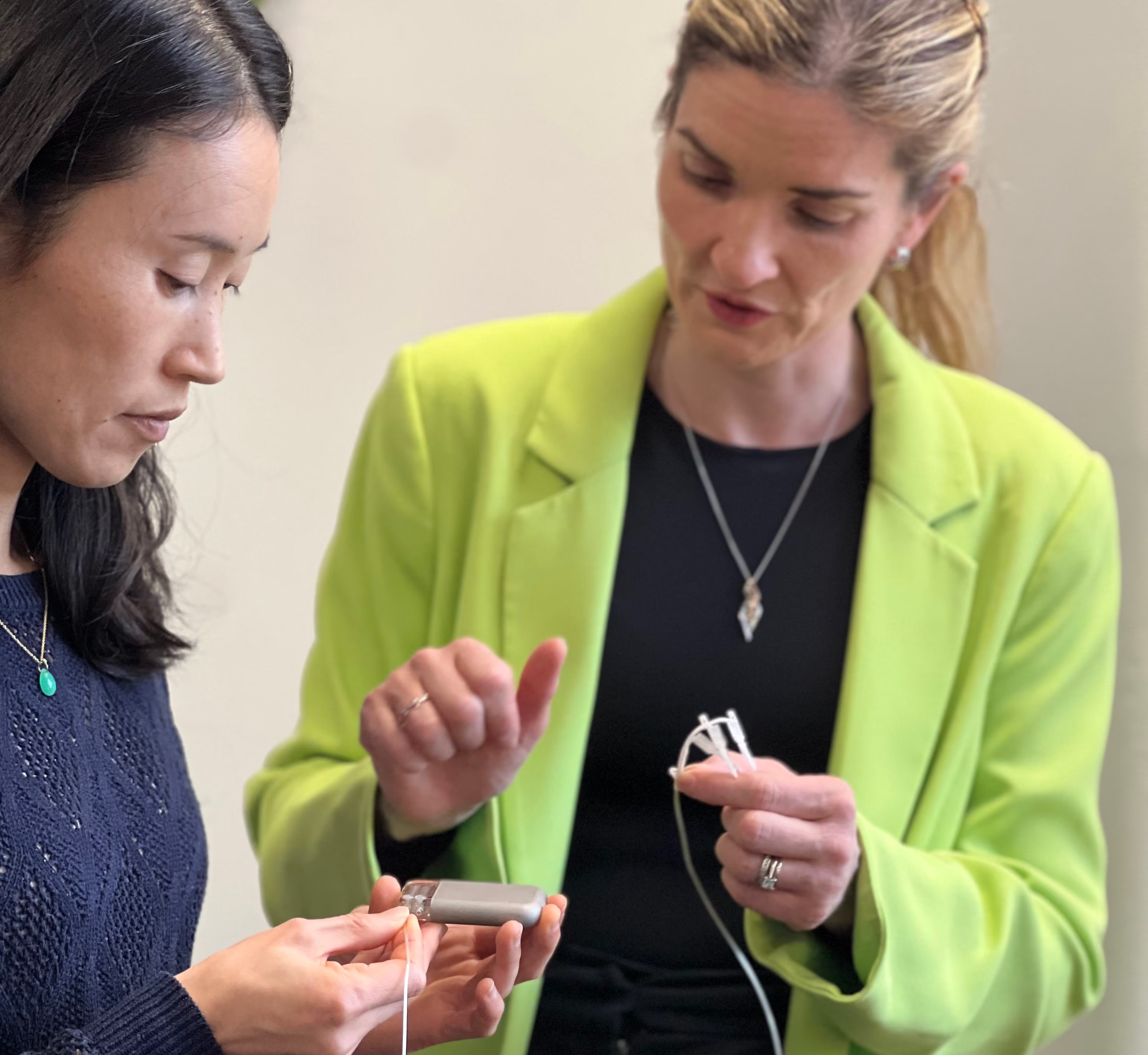
Bionics Institute researchers A/Prof Sophie Payne and Dr Tomoko Hyakumura.Bionics Institute researchers A/Prof Sophie Payne and Dr Tomoko Hyakumura.Bionics Institute researchers A/Prof Sophie Payne and Dr Tomoko Hyakumura.Bionics Institute researchers A/Prof Sophie Payne and Dr Tomoko Hyakumura.
July 1, 2026

A new approach to Parkinson’s Disease

Exploring nerve stimulation as a potential treatment.

Read More
Dr Eleanor Drummond presenting at the 2025 Sohn Hearts & Minds ConferenceDr Eleanor Drummond presenting at the 2025 Sohn Hearts & Minds ConferenceDr Eleanor Drummond presenting at the 2025 Sohn Hearts & Minds ConferenceDr Eleanor Drummond presenting at the 2025 Sohn Hearts & Minds Conference
July 1, 2026

Revealing what drives PSP

Mapping the biological changes behind progressive supranuclear palsy in the brain.

Read More
Picture: Dr Jennifer SnaithPicture: Dr Jennifer SnaithPicture: Dr Jennifer SnaithPicture: Dr Jennifer Snaith
July 1, 2026

Advancing treatment options for type 1 diabetes

Improving blood glucose and reducing insulin needs.

Read More
Picture: Dr Hamish KingPicture: Dr Hamish KingPicture: Dr Hamish KingPicture: Dr Hamish King
July 1, 2026

Solving the genetic causes of autoimmune diseases

Mapping hundreds of risk markers to better understand how these diseases develop and progress

Read More
July 1, 2026

The Future of Pain Management

Enhancing healthcare professionals' ability to deliver better pain management, now and into the future.

Read More
Picture: Professor Kazuaki NegishiPicture: Professor Kazuaki NegishiPicture: Professor Kazuaki NegishiPicture: Professor Kazuaki Negishi
July 1, 2026

Protecting the heart when every minute matters

Investigating a new treatment to reduce heart damage after heart attacks

Read More
Picture: Associate Professor Orazio VittorioPicture: Associate Professor Orazio VittorioPicture: Associate Professor Orazio VittorioPicture: Associate Professor Orazio Vittorio
July 1, 2026

Targeting the drivers of cancer growth

Exploring how extrachromosomal DNA (ecDNA) drives cancer growth, spread and treatment resistance.

Read More
July 1, 2026

Improving the diagnosis of muscle disorders using advanced genetic testing

Focused on improving the efficiency and accuracy of diagnosing muscle disorders.

Read More
July 1, 2026

Improving care for adults with motor neuron diseases

Building better care for adults living with Motor Neuron Disease and Spinal Muscular Atrophy.

Read More