
The challenge
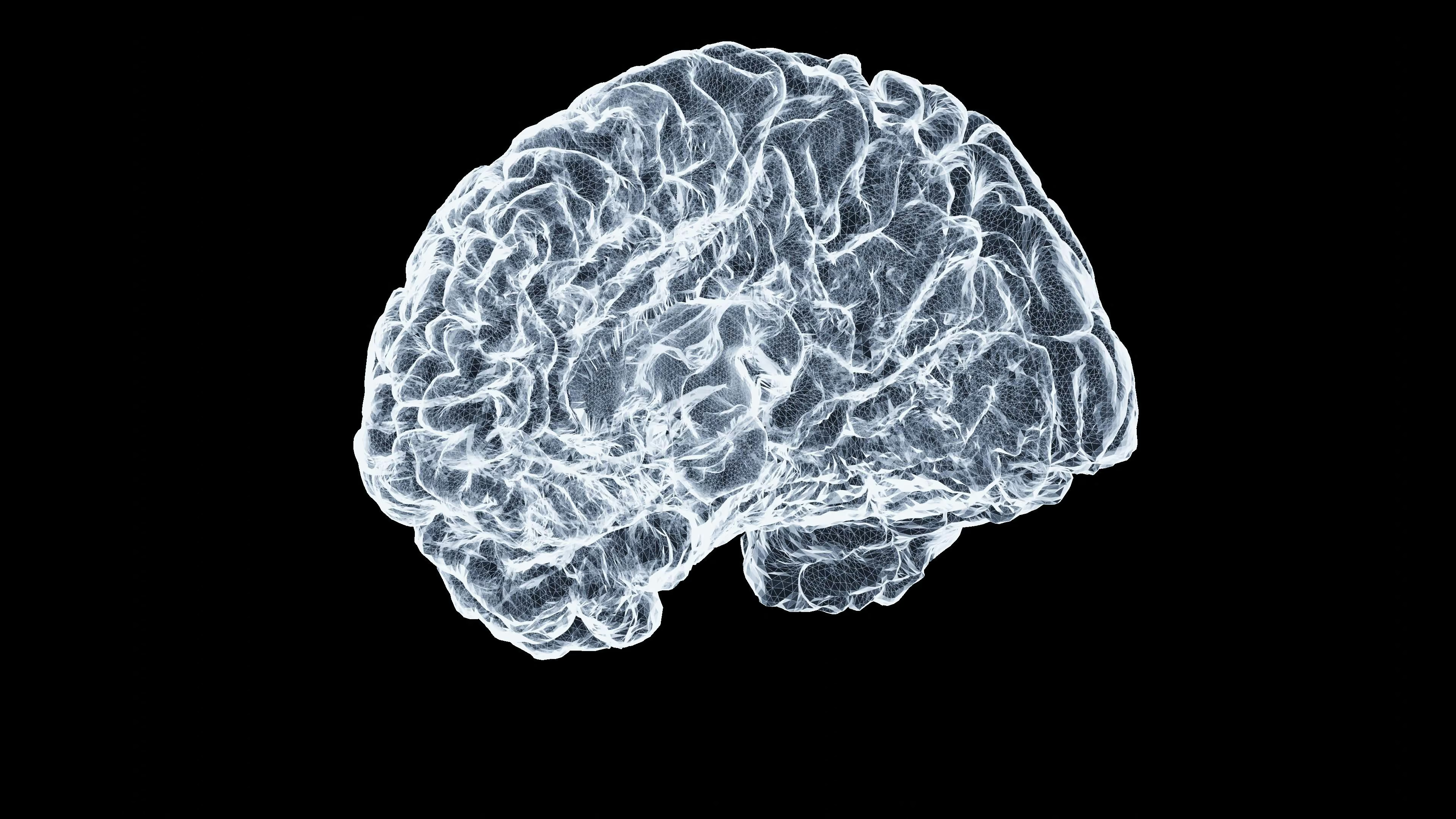
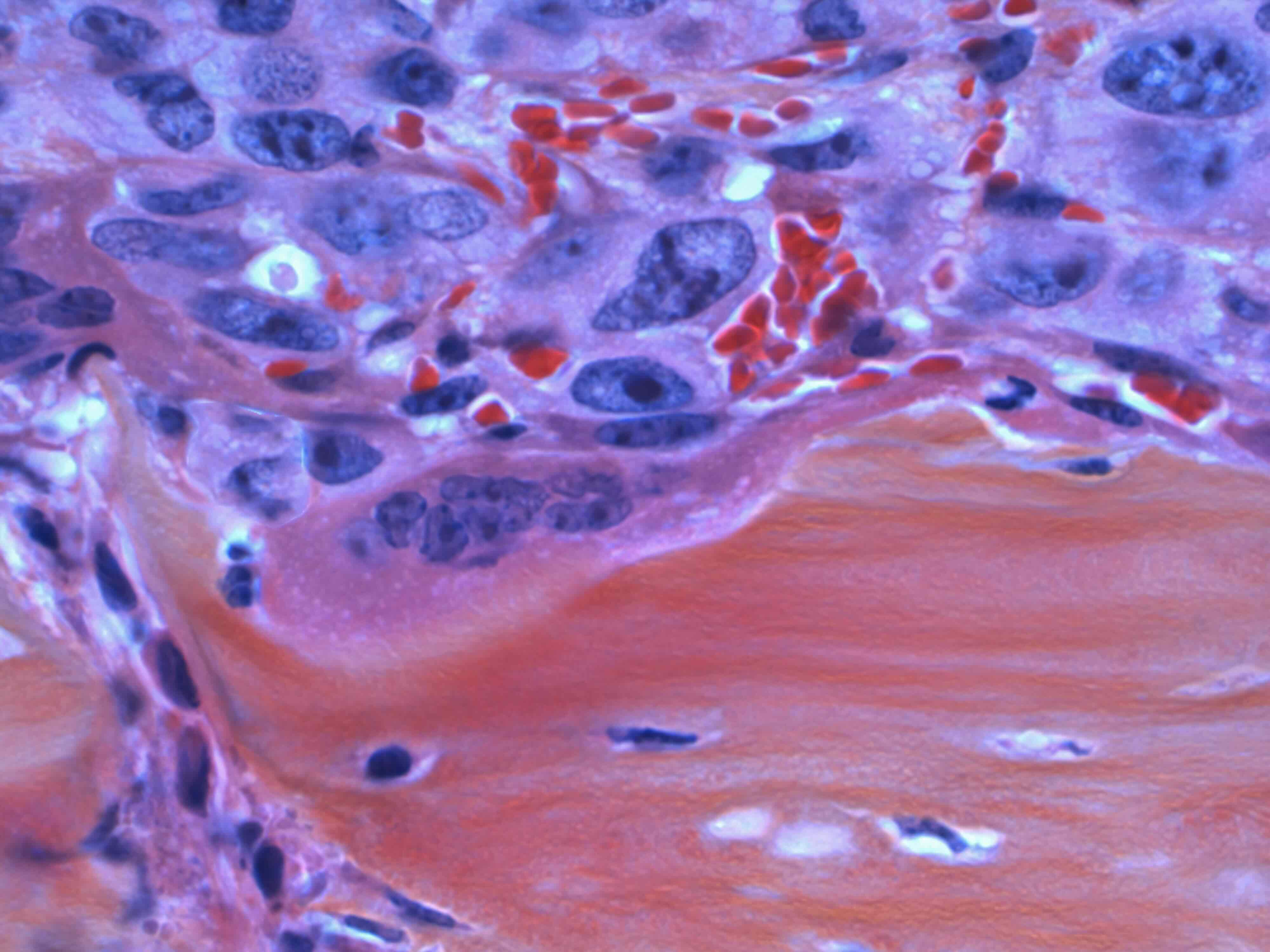
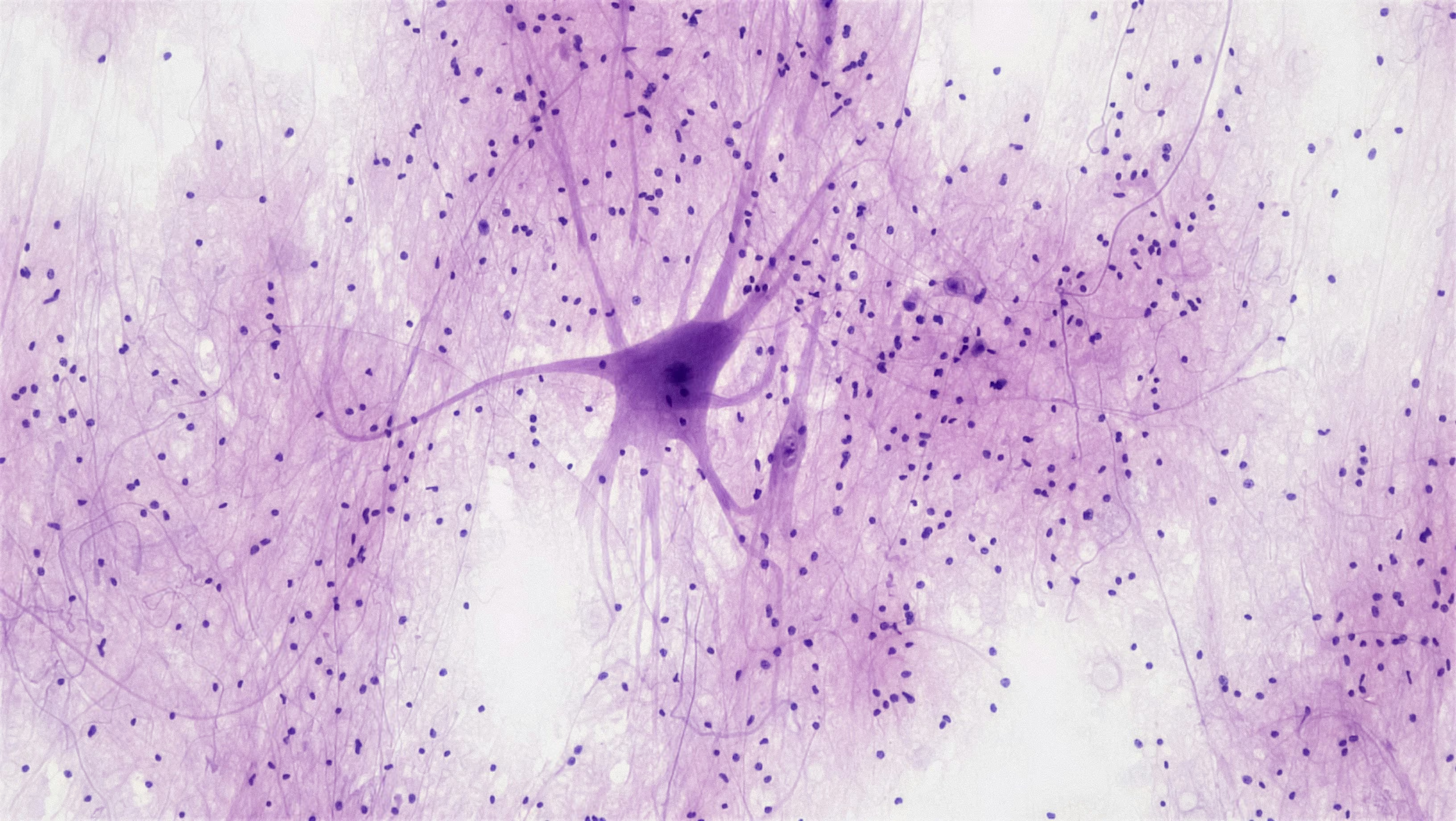
For families facing brain cancer, time and treatment options are often painfully limited. Brain tumours are among the leading causes of cancer-related death. Glioblastoma is the most aggressive form of brain cancer, with fewer than 5% of patients surviving beyond five years.
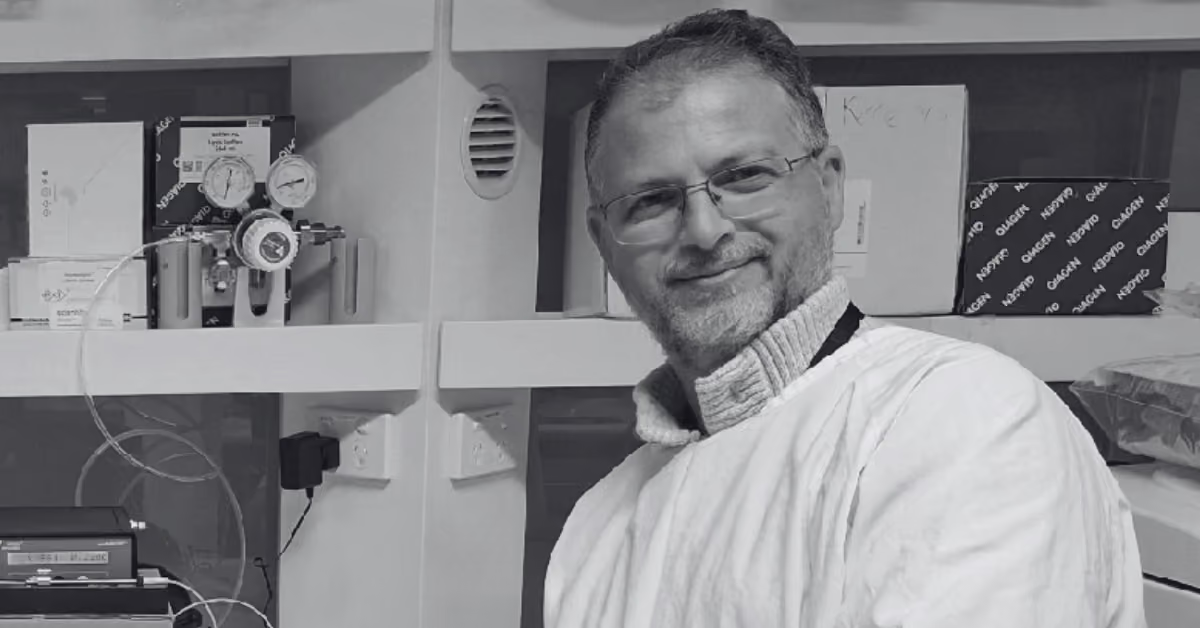
Associate Professor Orazio Vittorio and his team at UNSW are investigating extrachromosomal DNA (ecDNA), small circular fragments of DNA that sit outside a cell’s normal chromosomes and often carry cancer-driving genes. ecDNA is increasingly recognised as a mechanism that enables tumours to grow, evolve and resist therapy.
This research combines fundamental biology with gene-editing approaches to understand how ecDNA contributes to cancer growth and treatment resistance, and whether it can be targeted as a new therapeutic strategy.
Key highlights
Researchers have made significant progress in understanding ecDNA as a driver of aggressive cancer types.
For the first time, a CRISPR-based gene-editing approach (a tool that can precisely edit genes) was shown to selectively eliminate ecDNA in cancer cells, establishing proof of concept for a new therapeutic strategy.
In preclinical studies, targeting ecDNA reduced tumour growth and triggered cancer cell death. The team also found ecDNA may help cancers evade the immune system and move between cells, providing new insights into how tumours survive, spread and resist treatment. Together, these findings provide early evidence supporting ecDNA as a potential target for future cancer therapies.
The role of philanthropy
Funding from Hearts & Minds, as nominated by TDM Growth Partners, has helped move this research from an emerging idea to a validated proof of concept. It has enabled the team to build the specialised laboratory systems, tools and expertise required to study ecDNA and test whether it can be targeted in real cancer cells.
Importantly, it has also given researchers the freedom to explore additional biological pathways that may influence how tumours grow, spread and respond to treatment.
What this could unlock
By showing that ecDNA can be selectively eliminated in cancer cells, this work represents an important shift from understanding how cancer adapts to directly targeting one of its underlying drivers. While still at an early stage, it opens the possibility of a new class of therapies aimed at disrupting cancer’s ability to grow, evolve and resist treatment, particularly in aggressive cancers such as glioblastoma.
This project is supported by Hearts & Minds, as nominated by Core Fund Manager, TDM Growth Partners. For further information and updates, visit UNSW.