
The challenge
Multiple Sclerosis (MS) is a chronic neurological condition affecting more than 2.9 million people worldwide, including more than 37,000 people in Australia.1 It occurs when the body’s own immune system mistakenly attacks myelin, the protective layer that surrounds and supports nerve cells.
When myelin is damaged, messages between the brain and body can become disrupted, causing symptoms such as fatigue, pain, mobility challenges and cognitive difficulties. For many people living with MS, symptoms can be unpredictable and change over time, while the gradual loss of function can have a significant impact on independence and quality of life. While existing treatments can help manage aspects of MS, many people continue to experience disease progression. A major unanswered question remains: why does the brain fail to repair damaged myelin?
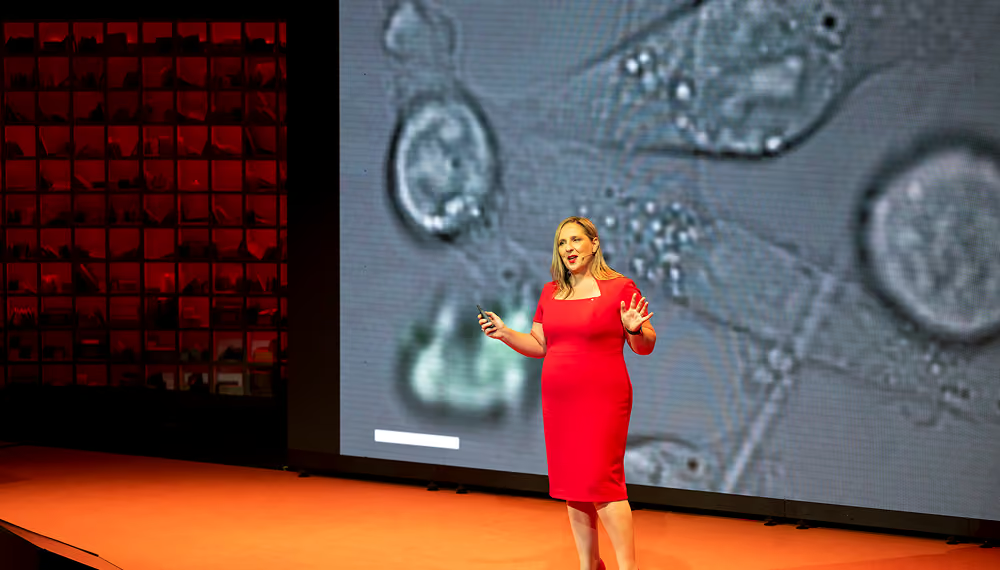
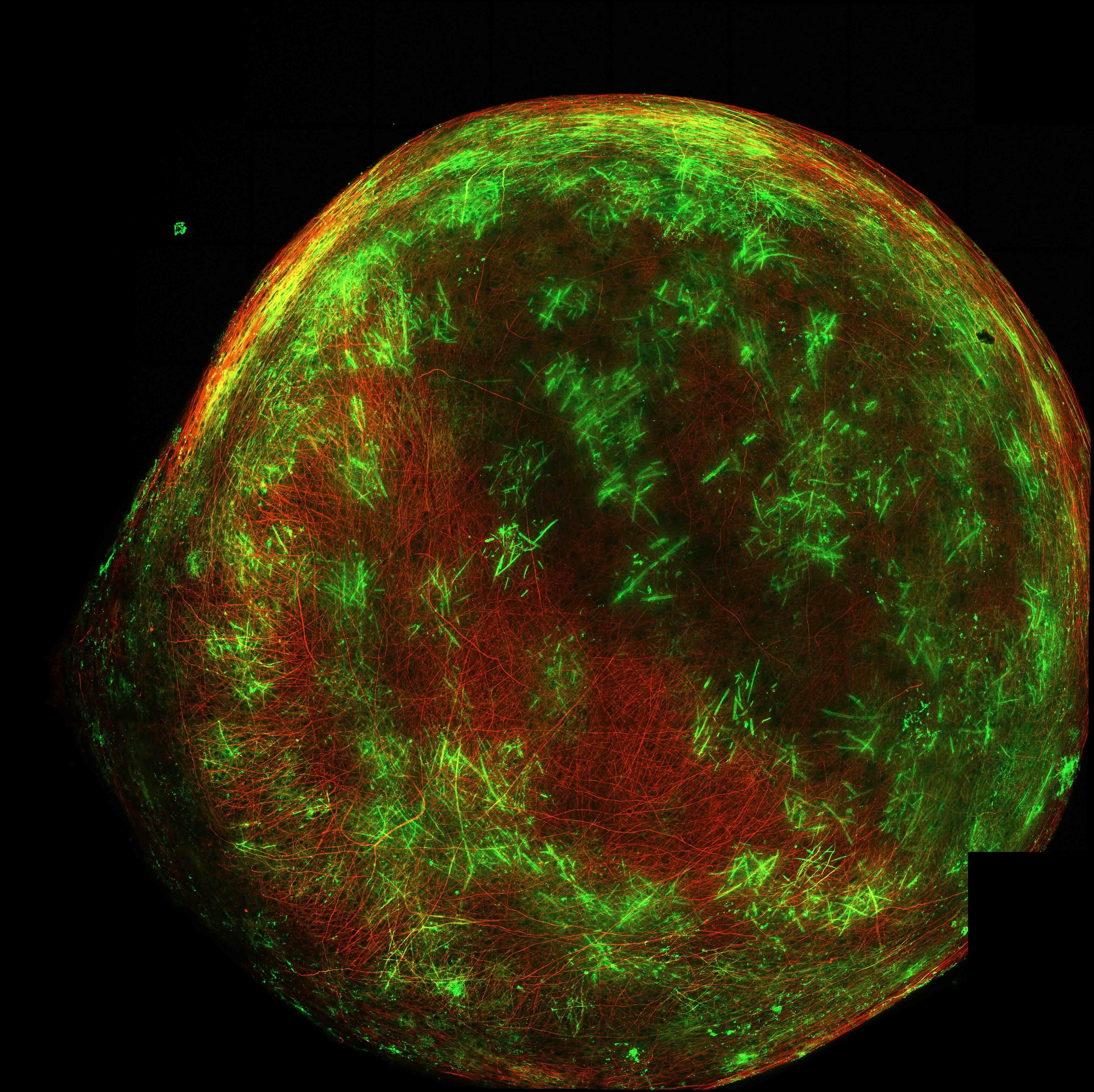
Dr Samantha Barton and her team at The Florey are working to answer this question by developing a first-of-its-kind “mini-brain” model that allows them to study how immune cells from people living with MS interact with myelin and affect the brain’s natural repair processes.
The role of philanthropy
Funding from Hearts & Minds has supported The Florey and allowed this research team to develop new and exciting research models to understand myelin repair in the context of MS. Using advanced stem cell technology, researchers are growing human “mini-brains” in the laboratory and introducing immune cells from people living with MS. This allows the team to study how a person’s immune cells from their blood interacts with immune cells in their brain and whether this communication is altered in a person with MS. Understanding how immune cells talk to each other, and to myelinating cells in the brain, will hopefully uncover a way that we can generate treatments to promote myelin repair in people with MS.
Hearts & Minds support has enabled the team to establish this approach and progress to asking the key questions around how immune cells impact myelin repair in MS. The funding has also supported a multidisciplinary team spanning stem cell biology, neuroscience and immunology, helping build new collaborations and strengthen The Florey’s capacity to pursue future research opportunities in neurodegenerative disease.
What this could unlock
A deeper understanding of how immune cells disrupt myelin repair could reveal new insights into why the brain’s natural repair processes fail in MS. This research approach could help researchers identify potential targets for future therapies designed to protect or restore myelin. Ultimately, this work aims to contribute to future treatments that could slow the neurological decline experienced by many people living with MS.
Funding support from Hearts & Minds. This content was last updated in July 2026. For further information, visit The Florey.
¹ Source: MS Australia, Multiple Sclerosis Prevalence and Health Economic Impact in Australia 2025.