Developing a new mRNA vaccine for Alzheimer’s disease

Using innovative technology to explore new possibilities for treatment and prevention.
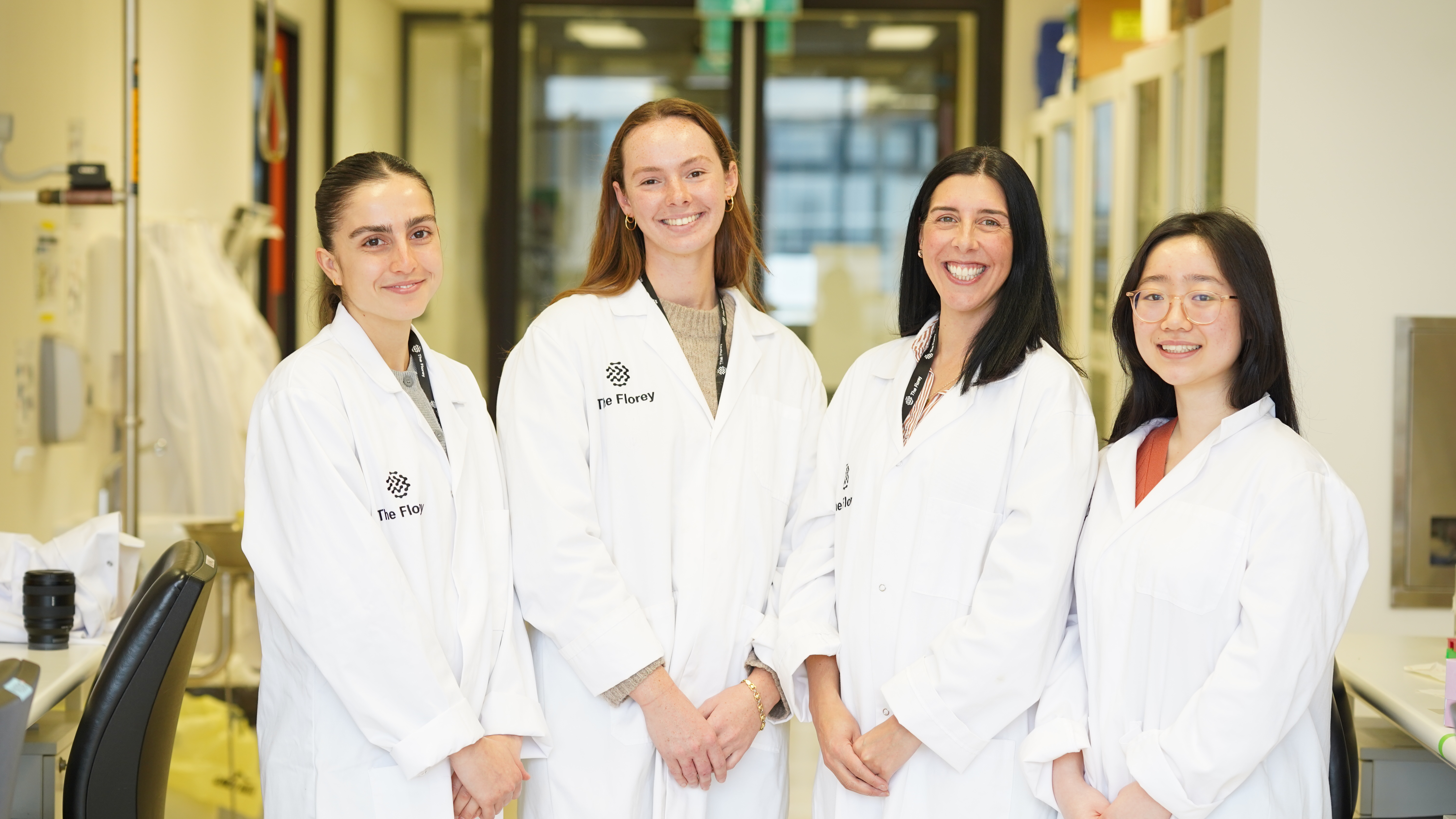
PICTURE: A/Prof Rebecca Nisbet and her team

Developing a new mRNA vaccine for Alzheimer’s disease

July 1, 2026
Using innovative technology to explore new possibilities for treatment and prevention.
Read Transcript

The challenge

Dementia is the leading cause of death for Australians, affecting almost half a million people. Alzheimer’s disease is the most common form of dementia, accounting for an estimated 60 to 80% of cases worldwide.

Despite decades of research, there is currently no cure for Alzheimer’s disease. While recent advances have led to the approval of the first treatments shown to slow disease progression, they have significant limitations. These treatments can carry serious side effects, require regular hospital visits over many months, and cost tens of thousands of dollars, making them inaccessible for many people.

Importantly, these treatments are only given once symptoms appear, when significant damage may have already occurred in the brain. There remains an urgent need for safer, more accessible approaches that could treat Alzheimer’s disease earlier, or potentially prevent it from developing.

The research

At The Florey, A/Prof Rebecca Nisbet and her team are using the innovative mRNA technology behind COVID-19 vaccines to develop a new vaccine for Alzheimer’s disease. While mRNA technology was first used widely to develop vaccines against infectious diseases, the team is exploring how this approach could be adapted to tackle neurodegenerative diseases. 

The vaccine is designed to stimulate the production of protective antibodies that are typically reduced in people with Alzheimer's disease. The researchers hope these antibodies will help the body target and clear the harmful molecules that contribute to brain damage. In preclinical studies, the team has shown the vaccine is safe and stimulates a protective immune response. They have also identified a lead vaccine candidate and demonstrated its ability to reduce brain damage and improve memory in a mouse model of Alzheimer's disease.

The role of philanthropy

Funding from Hearts & Minds has supported The Florey to take a risk on an idea and generate the pilot data needed to position the research for further investment. This support helped the team develop valuable intellectual property, attract additional investment and establish industry partnerships.

Philanthropic funding helped unlock further support from mRNA Victoria, which facilitated early discussions with BioNTech, a leader in mRNA technology. The team has since collaborated with BioNTech to support research, development and formulation of the vaccine. Beyond Alzheimer’s disease, this research is also helping expand understanding of how mRNA vaccine technology could be applied to other neurodegenerative conditions, including frontotemporal dementia.

What this could unlock

The next stage of this research will focus on advancing the vaccine towards clinical development, helping bridge the gap between promising laboratory discoveries and treatments that can benefit patients. 

In the future, this research could lead to a safer, more accessible treatment option for people living with Alzheimer’s disease, including those at higher risk of developing the condition. Longer term, the team hopes this approach could one day support prevention strategies, with vaccines administered earlier in life to reduce the likelihood of Alzheimer’s disease developing later.

Funding support from Hearts & Minds. This content was last updated in July 2026. For further information, visit The Florey.

The challenge

Dementia is the leading cause of death for Australians, affecting almost half a million people. Alzheimer’s disease is the most common form of dementia, accounting for an estimated 60 to 80% of cases worldwide.

Despite decades of research, there is currently no cure for Alzheimer’s disease. While recent advances have led to the approval of the first treatments shown to slow disease progression, they have significant limitations. These treatments can carry serious side effects, require regular hospital visits over many months, and cost tens of thousands of dollars, making them inaccessible for many people.

Importantly, these treatments are only given once symptoms appear, when significant damage may have already occurred in the brain. There remains an urgent need for safer, more accessible approaches that could treat Alzheimer’s disease earlier, or potentially prevent it from developing.

The research

At The Florey, A/Prof Rebecca Nisbet and her team are using the innovative mRNA technology behind COVID-19 vaccines to develop a new vaccine for Alzheimer’s disease. While mRNA technology was first used widely to develop vaccines against infectious diseases, the team is exploring how this approach could be adapted to tackle neurodegenerative diseases. 

The vaccine is designed to stimulate the production of protective antibodies that are typically reduced in people with Alzheimer's disease. The researchers hope these antibodies will help the body target and clear the harmful molecules that contribute to brain damage. In preclinical studies, the team has shown the vaccine is safe and stimulates a protective immune response. They have also identified a lead vaccine candidate and demonstrated its ability to reduce brain damage and improve memory in a mouse model of Alzheimer's disease.

The role of philanthropy

Funding from Hearts & Minds has supported The Florey to take a risk on an idea and generate the pilot data needed to position the research for further investment. This support helped the team develop valuable intellectual property, attract additional investment and establish industry partnerships.

Philanthropic funding helped unlock further support from mRNA Victoria, which facilitated early discussions with BioNTech, a leader in mRNA technology. The team has since collaborated with BioNTech to support research, development and formulation of the vaccine. Beyond Alzheimer’s disease, this research is also helping expand understanding of how mRNA vaccine technology could be applied to other neurodegenerative conditions, including frontotemporal dementia.

What this could unlock

The next stage of this research will focus on advancing the vaccine towards clinical development, helping bridge the gap between promising laboratory discoveries and treatments that can benefit patients. 

In the future, this research could lead to a safer, more accessible treatment option for people living with Alzheimer’s disease, including those at higher risk of developing the condition. Longer term, the team hopes this approach could one day support prevention strategies, with vaccines administered earlier in life to reduce the likelihood of Alzheimer’s disease developing later.

Funding support from Hearts & Minds. This content was last updated in July 2026. For further information, visit The Florey.

Disclaimer: This material has been prepared by Hearts & Minds, published on July 1, 2026. HM1 is not responsible for the content of linked websites or content prepared by third party. The inclusion of these links and third-party content does not in any way imply any form of endorsement by HM1 of the products or services provided by persons or organisations who are responsible for the linked websites and third-party content. This information is for general information only and does not consider the objectives, financial situation or needs of any person. Before making an investment decision, you should read the relevant disclosure document (if appropriate) and seek professional advice to determine whether the investment and information is suitable for you.

facebook
linkedin
All
Thank you! Your submission has been received!
Oops! Something went wrong while submitting the form.