Protecting the heart when every minute matters

Investigating a new treatment to reduce heart damage after heart attacks
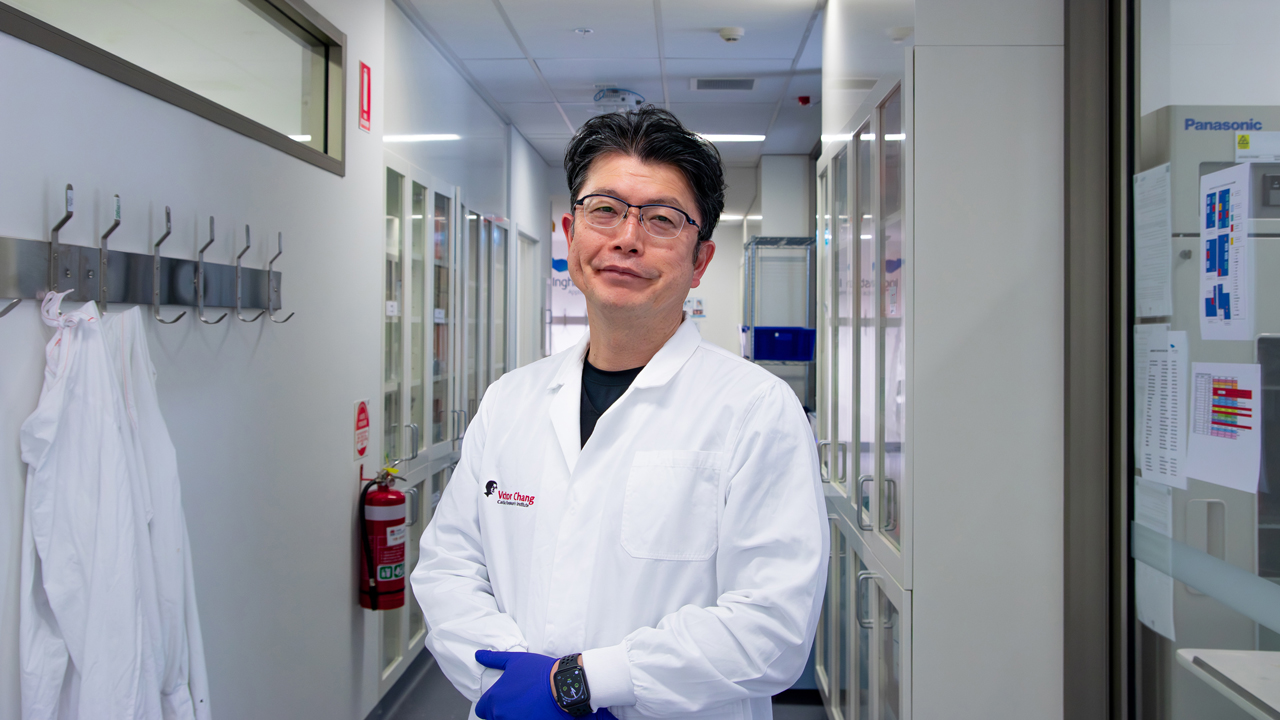
Picture: Professor Kazuaki Negishi

Protecting the heart when every minute matters

July 1, 2026
Investigating a new treatment to reduce heart damage after heart attacks
Read Transcript

The challenge

A heart attack is a race against time. When blood flow to the heart is blocked, the longer the heart muscle is deprived of oxygen, the greater the risk of permanent damage. Every day, more than 150 Australians are hospitalised for heart attacks.1 Among those who survive, many are left with heart muscle injury, increasing their risk of future cardiac events and heart failure.

The challenge is even greater for people living in rural and regional communities, where distance from specialist hospitals can delay access to life-saving procedures. Heart attack mortality rates are around 50% higher in rural and regional areas, highlighting the impact that distance and access to care can have on outcomes.2 In these situations, a patient’s postcode can become a risk factor.

Professor Kazuaki Negishi and his team at the Victor Chang Cardiac Research Institute (VCCRI) are investigating whether applying a treatment called sonoperfusion could help protect the heart during this critical window.

A new approach

Sonoperfusion is a treatment that begins with an injection of tiny microbubbles into the bloodstream. Ultrasound is then applied over the heart, causing the microbubbles to vibrate and improve blood flow through the blocked artery, restoring oxygen supply to the heart. While ultrasound has long been used in cardiology as a diagnostic tool, Professor Negishi’s team is the first to turn it into an active treatment.

A clinical trial has been underway since 2024 across multiple hospitals in NSW, with initial data suggesting that patients who received sonoperfusion alongside balloon angioplasty and stenting had substantially more heart muscle preserved than those receiving standard care alone. Approximately 80% of the heart muscle was preserved in treated patients, compared with around 40–45% under current care pathways3.

The trial is also exploring how sonoperfusion could support patients in hospitals where specialist procedures are not immediately available, helping protect the heart while patients wait to be transferred for treatment.

Glenn’s Story

For retired father and grandfather Glenn Bryant, joining the sonoperfusion trial offered hope during an unexpected heart attack. Glenn woke one Saturday morning with excruciating back pain and tingling fingers. At hospital, doctors discovered he was having a heart attack, with one artery acutely blocked and severe coronary artery disease requiring urgent bypass surgery.

Having previously met Professor Negishi, Glenn was invited to take part in the sonoperfusion trial. He received the treatment before being transferred for surgery, but his operation was delayed for three days, raising concerns about the potential damage to his heart. After 12 days in hospital, including eight days in intensive care, Glenn received unexpected news: the damage to his heart was next to nothing.
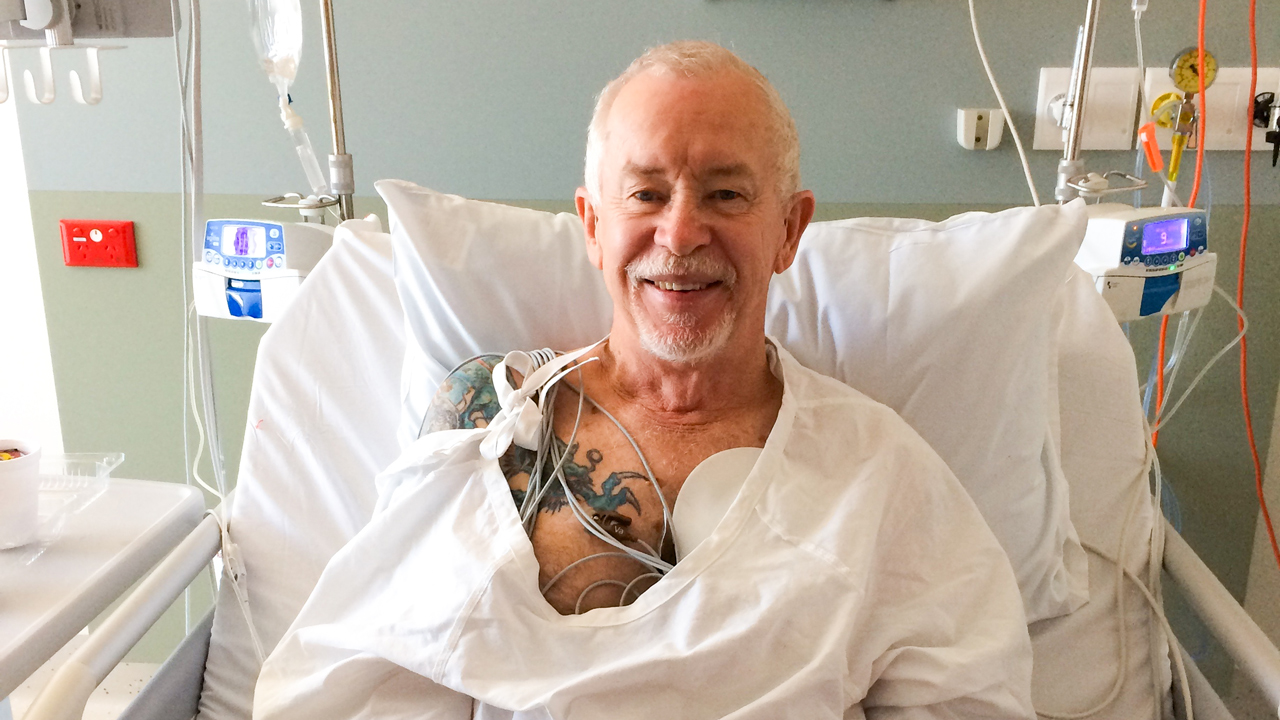
Picture: Glenn Bryant

“I am so lucky to have been given this treatment. It’s just incredible I get to see my wife, children and grandchildren for many more years to come.”

Glenn Bryant

More than three years later, Glenn continues to see Professor Negishi regularly and has returned to an active family life.

The role of philanthropy

Hearts & Minds funding powers bold research across VCCRI – like the work of Professor Negishi and his team, as they investigate whether sonoperfusion could become part of routine heart attack care.

Professor Jason Kovacic, CEO and Institute Director of the VCCRI, says:

"Heart attack care has advanced enormously over the past two decades, but the benefits of that progress are not felt equally. Too often, outcomes are still shaped by how quickly a patient can reach a specialist centre. Professor Negishi's work on sonoperfusion challenges that reality by asking a different question – how we protect the heart when time and distance are working against us. At the Institute, this is exactly the kind of translational research we exist to lead."

Philanthropy is helping fund the next critical step: expanding this work from a pilot study into a major multi-centre trial. Flexible support like this enables VCCRI to pursue bold, early-stage ideas before they can attract competitive grant funding, helping move promising research closer to clinical practice.

What this could unlock

If proven through the NSW trial, sonoperfusion could change how heart attacks are treated, particularly for patients who face delays reaching specialist care. Because ultrasound is portable, this treatment could one day be administered by paramedics at the very moment a heart attack strikes, transforming the most dangerous hours after a heart attack into an opportunity to protect the heart before surgery.

“We can’t always change how far a patient is from an operating theatre – but we may be able to bring it to the patients.”

Professor Kazuaki Negishi

Funding support from Hearts & Minds. This content was last updated in July 2026. For further information, visit Victor Chang Cardiac Research Institute.

1. Australian Institute of Health and Welfare. (2025). Coronary heart disease

2. Heart Foundation (2024). Heart Foundation. Key Statistics – Heart Attack (Australia). (Fact sheet, updated 15 Feb 2024)

3. Kendziora, B., Dewey, M., & Mordi, I. (2020). Prognostic value of the myocardial salvage index measured by T2‑weighted and T1‑weighted late gadolinium enhancement magnetic resonance imaging after ST‑segment elevation myocardial infarction: A systematic review and meta‑regression analysis. PLOS ONE, 15(2), e0228736.

The challenge

A heart attack is a race against time. When blood flow to the heart is blocked, the longer the heart muscle is deprived of oxygen, the greater the risk of permanent damage. Every day, more than 150 Australians are hospitalised for heart attacks.1 Among those who survive, many are left with heart muscle injury, increasing their risk of future cardiac events and heart failure.

The challenge is even greater for people living in rural and regional communities, where distance from specialist hospitals can delay access to life-saving procedures. Heart attack mortality rates are around 50% higher in rural and regional areas, highlighting the impact that distance and access to care can have on outcomes.2 In these situations, a patient’s postcode can become a risk factor.

Professor Kazuaki Negishi and his team at the Victor Chang Cardiac Research Institute (VCCRI) are investigating whether applying a treatment called sonoperfusion could help protect the heart during this critical window.

A new approach

Sonoperfusion is a treatment that begins with an injection of tiny microbubbles into the bloodstream. Ultrasound is then applied over the heart, causing the microbubbles to vibrate and improve blood flow through the blocked artery, restoring oxygen supply to the heart. While ultrasound has long been used in cardiology as a diagnostic tool, Professor Negishi’s team is the first to turn it into an active treatment.

A clinical trial has been underway since 2024 across multiple hospitals in NSW, with initial data suggesting that patients who received sonoperfusion alongside balloon angioplasty and stenting had substantially more heart muscle preserved than those receiving standard care alone. Approximately 80% of the heart muscle was preserved in treated patients, compared with around 40–45% under current care pathways3.

The trial is also exploring how sonoperfusion could support patients in hospitals where specialist procedures are not immediately available, helping protect the heart while patients wait to be transferred for treatment.

Glenn’s Story

For retired father and grandfather Glenn Bryant, joining the sonoperfusion trial offered hope during an unexpected heart attack. Glenn woke one Saturday morning with excruciating back pain and tingling fingers. At hospital, doctors discovered he was having a heart attack, with one artery acutely blocked and severe coronary artery disease requiring urgent bypass surgery.

Having previously met Professor Negishi, Glenn was invited to take part in the sonoperfusion trial. He received the treatment before being transferred for surgery, but his operation was delayed for three days, raising concerns about the potential damage to his heart. After 12 days in hospital, including eight days in intensive care, Glenn received unexpected news: the damage to his heart was next to nothing.

Picture: Glenn Bryant

“I am so lucky to have been given this treatment. It’s just incredible I get to see my wife, children and grandchildren for many more years to come.”

Glenn Bryant

More than three years later, Glenn continues to see Professor Negishi regularly and has returned to an active family life.

The role of philanthropy

Hearts & Minds funding powers bold research across VCCRI – like the work of Professor Negishi and his team, as they investigate whether sonoperfusion could become part of routine heart attack care.

Professor Jason Kovacic, CEO and Institute Director of the VCCRI, says:

"Heart attack care has advanced enormously over the past two decades, but the benefits of that progress are not felt equally. Too often, outcomes are still shaped by how quickly a patient can reach a specialist centre. Professor Negishi's work on sonoperfusion challenges that reality by asking a different question – how we protect the heart when time and distance are working against us. At the Institute, this is exactly the kind of translational research we exist to lead."

Philanthropy is helping fund the next critical step: expanding this work from a pilot study into a major multi-centre trial. Flexible support like this enables VCCRI to pursue bold, early-stage ideas before they can attract competitive grant funding, helping move promising research closer to clinical practice.

What this could unlock

If proven through the NSW trial, sonoperfusion could change how heart attacks are treated, particularly for patients who face delays reaching specialist care. Because ultrasound is portable, this treatment could one day be administered by paramedics at the very moment a heart attack strikes, transforming the most dangerous hours after a heart attack into an opportunity to protect the heart before surgery.

“We can’t always change how far a patient is from an operating theatre – but we may be able to bring it to the patients.”

Professor Kazuaki Negishi

Funding support from Hearts & Minds. This content was last updated in July 2026. For further information, visit Victor Chang Cardiac Research Institute.

1. Australian Institute of Health and Welfare. (2025). Coronary heart disease

2. Heart Foundation (2024). Heart Foundation. Key Statistics – Heart Attack (Australia). (Fact sheet, updated 15 Feb 2024)

3. Kendziora, B., Dewey, M., & Mordi, I. (2020). Prognostic value of the myocardial salvage index measured by T2‑weighted and T1‑weighted late gadolinium enhancement magnetic resonance imaging after ST‑segment elevation myocardial infarction: A systematic review and meta‑regression analysis. PLOS ONE, 15(2), e0228736.

Disclaimer: This material has been prepared by Hearts & Minds, published on July 1, 2026. HM1 is not responsible for the content of linked websites or content prepared by third party. The inclusion of these links and third-party content does not in any way imply any form of endorsement by HM1 of the products or services provided by persons or organisations who are responsible for the linked websites and third-party content. This information is for general information only and does not consider the objectives, financial situation or needs of any person. Before making an investment decision, you should read the relevant disclosure document (if appropriate) and seek professional advice to determine whether the investment and information is suitable for you.

facebook
linkedin
All
Thank you! Your submission has been received!
Oops! Something went wrong while submitting the form.