Solving the genetic causes of autoimmune diseases

Mapping hundreds of risk markers to better understand how these diseases develop and progress

Solving the genetic causes of autoimmune diseases

July 1, 2026
Mapping hundreds of risk markers to better understand how these diseases develop and progress
Read Transcript

The challenge 

Autoimmune diseases affect around 10% of Australians and include more than 80 conditions in which the immune system incorrectly attacks the body’s own cells, leading to tissue damage and painful inflammation. Women are more commonly affected than men, representing 75% of cases, though the reasons for this remain unknown.

While autoimmune diseases often run in families, their genetic drivers are not well understood. Scientists have identified thousands of genetic risk markers, but for most, their biological function remains unclear.

Without this understanding, it is difficult to identify who is most at risk or to develop more precise and effective treatments.

The research

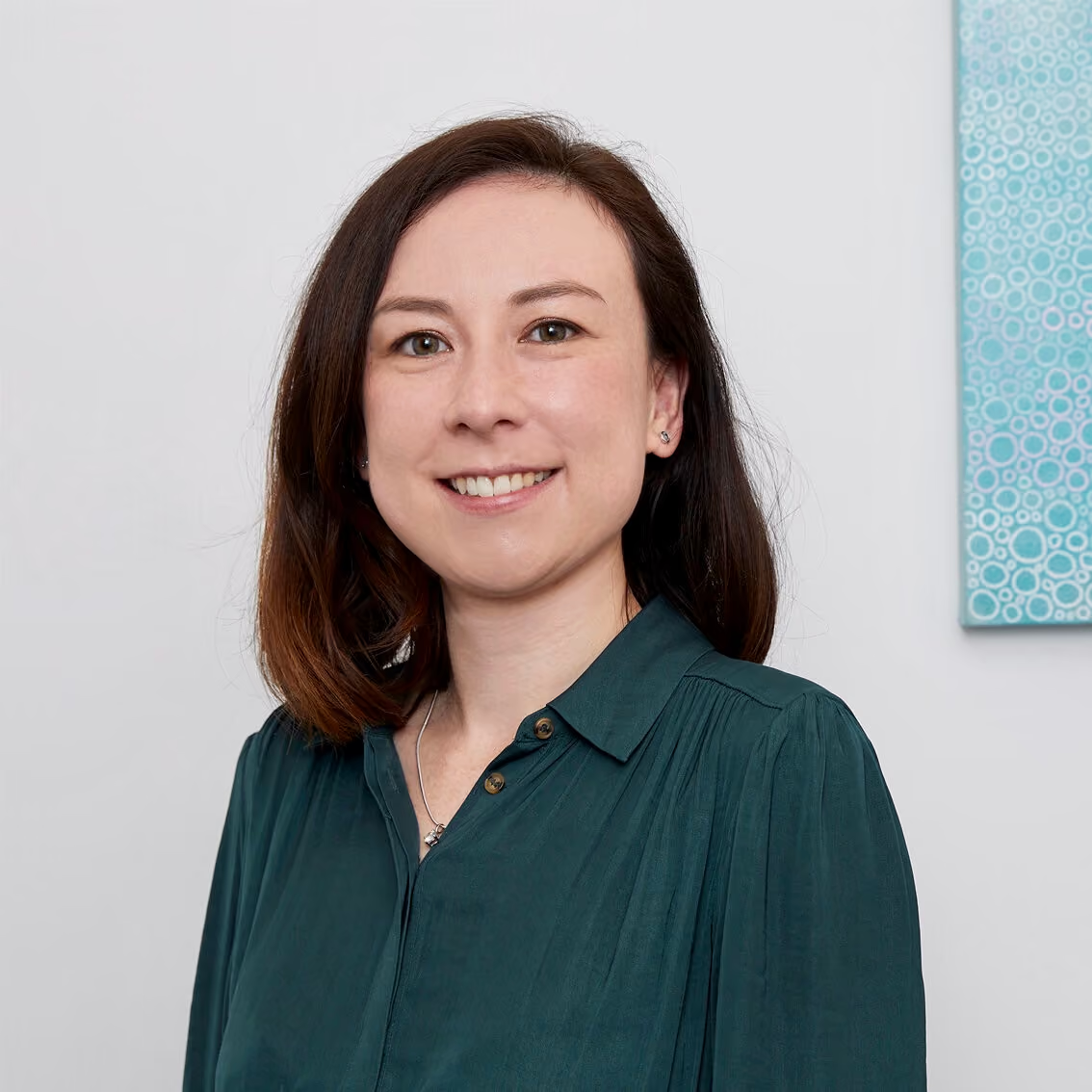
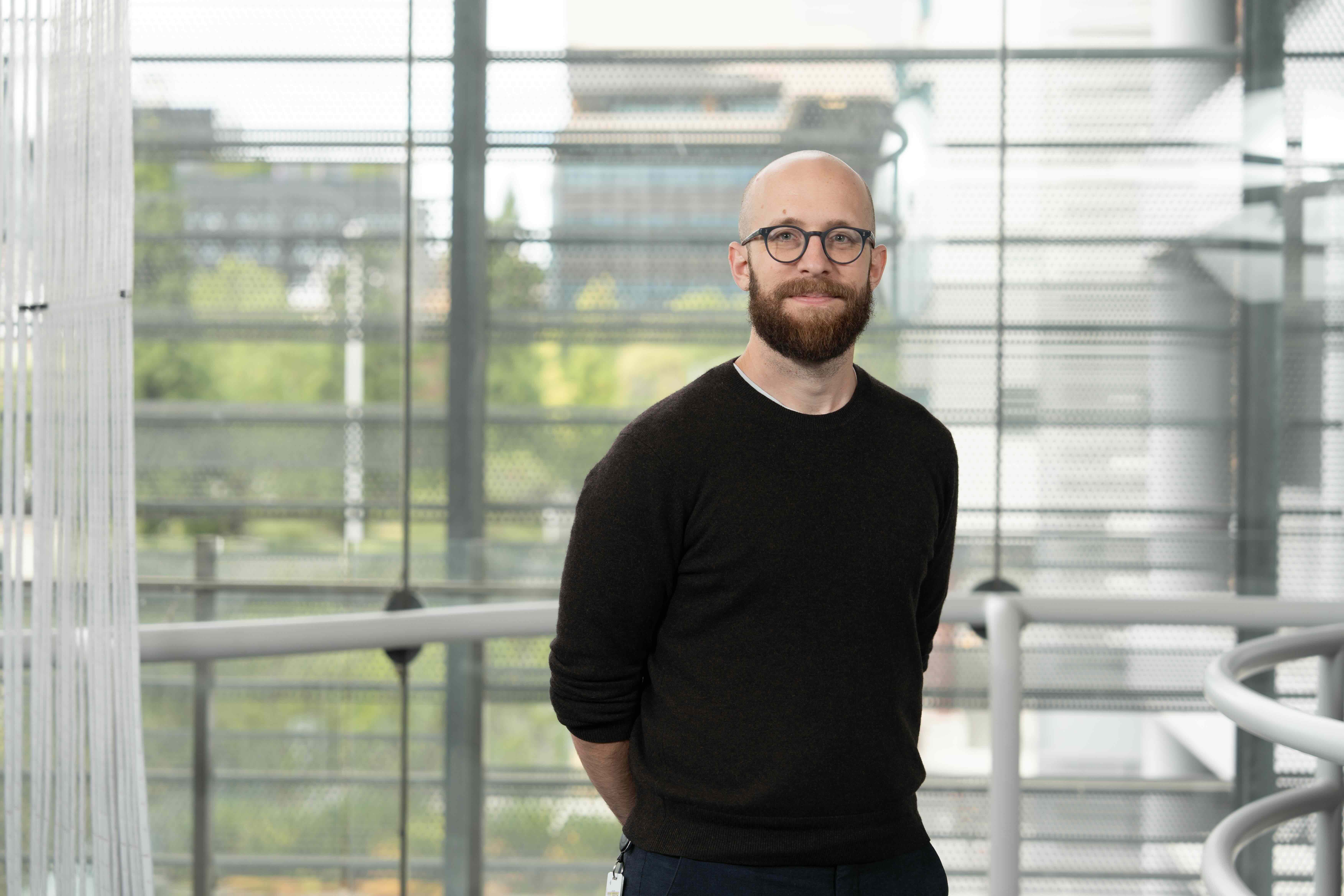
Dr Hamish King and his team at WEHI are taking a “disease agnostic” approach, studying the genetics of 30 common autoimmune diseases to identify new genes involved in autoimmune disease. Using this approach, the team has analysed nearly 800 autoimmune risk markers, generating important molecular insights into what drives these diseases and how they progress.

One example comes from lupus. Researchers found that a genetic variant increases the activity of a key immune gene called cRel, which may help to explain why some people are more likely to develop the disease. This finding highlights a potential therapeutic strategy: targeting cRel to slow or prevent disease progression.

Importantly, this is not an isolated case. Researchers have identified hundreds of similar discoveries across other autoimmune conditions.

The role of philanthropy

Hearts & Minds funding, as nominated by Munro Partners, has enabled this work to be scaled significantly, allowing researchers to study hundreds of risk markers rather than a small subset.

It has also supported the development of specialised molecular tools required for this type of research, positioning the King lab at WEHI as one of only a few laboratories globally capable of conducting this work in B cells - a cell type highly relevant to autoimmune disease that has proven very difficult to work with in the past. Importantly, more than 15 genes identified through this research are already being explored as potential therapeutic targets in drug development.

What this could unlock

Beyond identifying new treatment targets, this work is beginning to shift how autoimmune diseases may one day be understood and managed.

The findings could help support future approaches to identifying individuals at higher risk of developing autoimmune disease, opening the door to earlier detection and more proactive care. This study has also produced a molecular toolkit that can now be applied to other complex diseases, including cardiovascular disease and Parkinson’s Disease.

This project is supported by Hearts and Minds Investments, as nominated by Core Fund Manager,  Munro Partners. For further information and updates, visit WEHI.
The challenge 

Autoimmune diseases affect around 10% of Australians and include more than 80 conditions in which the immune system incorrectly attacks the body’s own cells, leading to tissue damage and painful inflammation. Women are more commonly affected than men, representing 75% of cases, though the reasons for this remain unknown.

While autoimmune diseases often run in families, their genetic drivers are not well understood. Scientists have identified thousands of genetic risk markers, but for most, their biological function remains unclear.

Without this understanding, it is difficult to identify who is most at risk or to develop more precise and effective treatments.

The research

Dr Hamish King and his team at WEHI are taking a “disease agnostic” approach, studying the genetics of 30 common autoimmune diseases to identify new genes involved in autoimmune disease. Using this approach, the team has analysed nearly 800 autoimmune risk markers, generating important molecular insights into what drives these diseases and how they progress.

One example comes from lupus. Researchers found that a genetic variant increases the activity of a key immune gene called cRel, which may help to explain why some people are more likely to develop the disease. This finding highlights a potential therapeutic strategy: targeting cRel to slow or prevent disease progression.

Importantly, this is not an isolated case. Researchers have identified hundreds of similar discoveries across other autoimmune conditions.

The role of philanthropy

Hearts & Minds funding, as nominated by Munro Partners, has enabled this work to be scaled significantly, allowing researchers to study hundreds of risk markers rather than a small subset.

It has also supported the development of specialised molecular tools required for this type of research, positioning the King lab at WEHI as one of only a few laboratories globally capable of conducting this work in B cells - a cell type highly relevant to autoimmune disease that has proven very difficult to work with in the past. Importantly, more than 15 genes identified through this research are already being explored as potential therapeutic targets in drug development.

What this could unlock

Beyond identifying new treatment targets, this work is beginning to shift how autoimmune diseases may one day be understood and managed.

The findings could help support future approaches to identifying individuals at higher risk of developing autoimmune disease, opening the door to earlier detection and more proactive care. This study has also produced a molecular toolkit that can now be applied to other complex diseases, including cardiovascular disease and Parkinson’s Disease.

This project is supported by Hearts and Minds Investments, as nominated by Core Fund Manager,  Munro Partners. For further information and updates, visit WEHI.

Disclaimer: This material has been prepared by Hearts & Minds, published on July 1, 2026. HM1 is not responsible for the content of linked websites or content prepared by third party. The inclusion of these links and third-party content does not in any way imply any form of endorsement by HM1 of the products or services provided by persons or organisations who are responsible for the linked websites and third-party content. This information is for general information only and does not consider the objectives, financial situation or needs of any person. Before making an investment decision, you should read the relevant disclosure document (if appropriate) and seek professional advice to determine whether the investment and information is suitable for you.

facebook
linkedin
All
Thank you! Your submission has been received!
Oops! Something went wrong while submitting the form.
Picture: A/Prof Melissa Call & Prof Matt CallPicture: A/Prof Melissa Call & Prof Matt CallPicture: A/Prof Melissa Call & Prof Matt CallPicture: A/Prof Melissa Call & Prof Matt Call
July 1, 2026

Next generation CAR T-cell therapy for cancer

The Call Lab at WEHI is pioneering innovative approaches to find this ‘goldilocks zone’, making CAR T-cell therapy safer and more effective.

Read More
Picture: Associate Professor Neale CohenPicture: Associate Professor Neale CohenPicture: Associate Professor Neale CohenPicture: Associate Professor Neale Cohen
July 1, 2026

Revolutionising Diabetes Care

Improving diabetes care has the potential to transform individual health outcomes while strengthening the wellbeing of entire communities.

Read More
HM1 Chief Operating Officer Maggie O’Neill with A/Prof Elizabeth Ng at the Murdoch Children's Research Institute in Melbourne (March 2026).HM1 Chief Operating Officer Maggie O’Neill with A/Prof Elizabeth Ng at the Murdoch Children's Research Institute in Melbourne (March 2026).HM1 Chief Operating Officer Maggie O’Neill with A/Prof Elizabeth Ng at the Murdoch Children's Research Institute in Melbourne (March 2026).HM1 Chief Operating Officer Maggie O’Neill with A/Prof Elizabeth Ng at the Murdoch Children's Research Institute in Melbourne (March 2026).
May 4, 2026

How science turned back the clock of human development to create a miracle blood stem cell

Many thought it could never be done. But three Murdoch Children’s Research Institute scientists recreated embryonic development to crack the blood stem cell code.

Read More
November 15, 2024

Professor Alex Brown in conversation with Professor Jason Kovacic

At the 2024 Sohn Hearts & Minds Conference, we heard from Professor Alex Brown in conversation with Professor Jason Kovacic about Indigenous heart health and genomics.

Read More

A/Professor Tim Sargeant | 2024 Sohn Hearts & Minds Conference

Associate Professor Tim Sargeant has been at SAHMRI (South Australian Health and Medical Research Institute) in Adelaide where he studies the role of lysosomes in Alzheimer’s disease.

Read More
July 1, 2026

Unlocking the mysteries of the human brain

The Sydney Brain Bank is helping researchers uncover the causes of neurodegenerative disease and build a future with better diagnosis, treatment and prevention.

Read More
Bionics Institute researchers A/Prof Sophie Payne and Dr Tomoko Hyakumura.Bionics Institute researchers A/Prof Sophie Payne and Dr Tomoko Hyakumura.Bionics Institute researchers A/Prof Sophie Payne and Dr Tomoko Hyakumura.Bionics Institute researchers A/Prof Sophie Payne and Dr Tomoko Hyakumura.
July 1, 2026

A new approach to Parkinson’s Disease

Exploring nerve stimulation as a potential treatment.

Read More
Dr Eleanor Drummond presenting at the 2025 Sohn Hearts & Minds ConferenceDr Eleanor Drummond presenting at the 2025 Sohn Hearts & Minds ConferenceDr Eleanor Drummond presenting at the 2025 Sohn Hearts & Minds ConferenceDr Eleanor Drummond presenting at the 2025 Sohn Hearts & Minds Conference
July 1, 2026

Revealing what drives PSP

Mapping the biological changes behind progressive supranuclear palsy in the brain.

Read More
Picture: Dr Jennifer SnaithPicture: Dr Jennifer SnaithPicture: Dr Jennifer SnaithPicture: Dr Jennifer Snaith
July 1, 2026

Advancing treatment options for type 1 diabetes

Improving blood glucose and reducing insulin needs.

Read More
December 5, 2023

Prof Daniel MacArthur | 2023 Sohn Hearts & Minds Conference

At the 2023 Sohn Hearts & Minds Conference, we heard from Prof Daniel MacArthur, the Director of the Centre for Population Genomics.

Read More
December 5, 2023

Prof Michelle Simmons AO | Sohn Hearts & Minds Conference

At this year's Sohn Hearts & Minds Conference, we heard from Prof Michelle Simmons, the CEO and Founder of Silicon Quantum Computing.

Read More
December 5, 2023

Prof Misty Jenkins AO | 2023 Sohn Hearts & Minds Conference

At the 2023 Sohn Hearts & Minds Conference, we heard from Prof Misty Jenkins. Misty is a NHMRC fellow and laboratory head of the Immunology Division at the Walter and Eliza Hall Institute.

Read More
Daniel MacArthur speaking at the 2023 Sohn Hearts & Minds Conference in Sydney.Daniel MacArthur speaking at the 2023 Sohn Hearts & Minds Conference in Sydney.Daniel MacArthur speaking at the 2023 Sohn Hearts & Minds Conference in Sydney.Daniel MacArthur speaking at the 2023 Sohn Hearts & Minds Conference in Sydney.
November 15, 2023

Advancing Medicine Is In Daniel MacArthur’s DNA

When genomic scientist Daniel MacArthur had the opportunity to set up a new Centre for Population Genomics in Australia in 2019, he jumped at the chance to return home after 12 years living overseas.

Read More
November 10, 2023

Big thinkers in hunt for brain cancer cure

“Brain cancer is rare, but for people who do get it the prognosis is not good,” Assistant Professor Jenkins tells The Australian.

Read More
April 20, 2023

Artificial intelligence gives new hope for sufferers of severe heart problem

New AI software can improve the diagnosis of severe aortic stenosis by 72% and could potentially change the lives of about 50,000 Australians with the life-threatening condition.

Read More