
One of the largest backers of Anthropic says there are growing warning signs that the valuations of artificial intelligence companies are becoming stretched, as one of Wall Street’s worst one day slumps rippled across Asian markets, sparking heavy selling in Japan, Taiwan and South Korea.
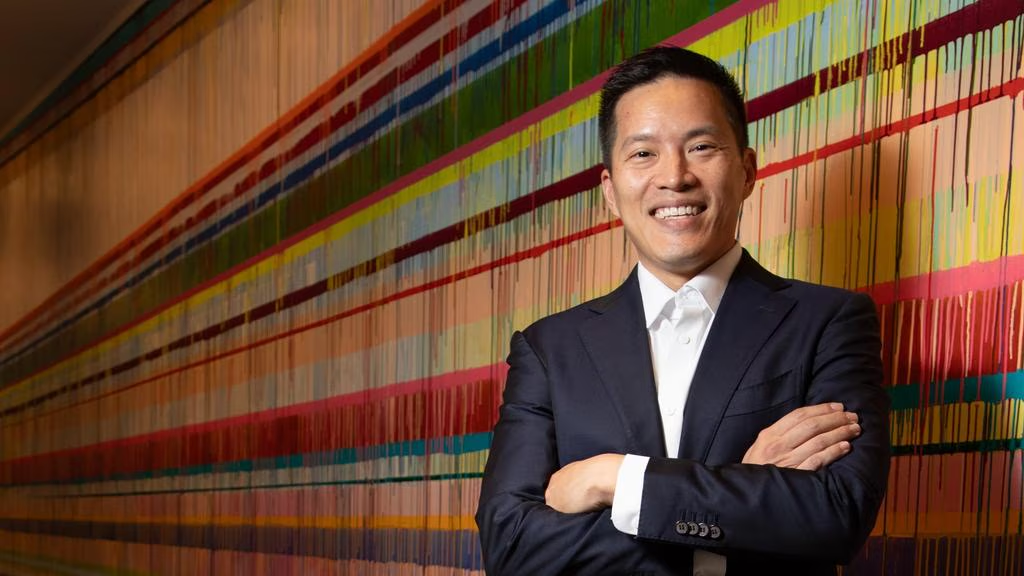
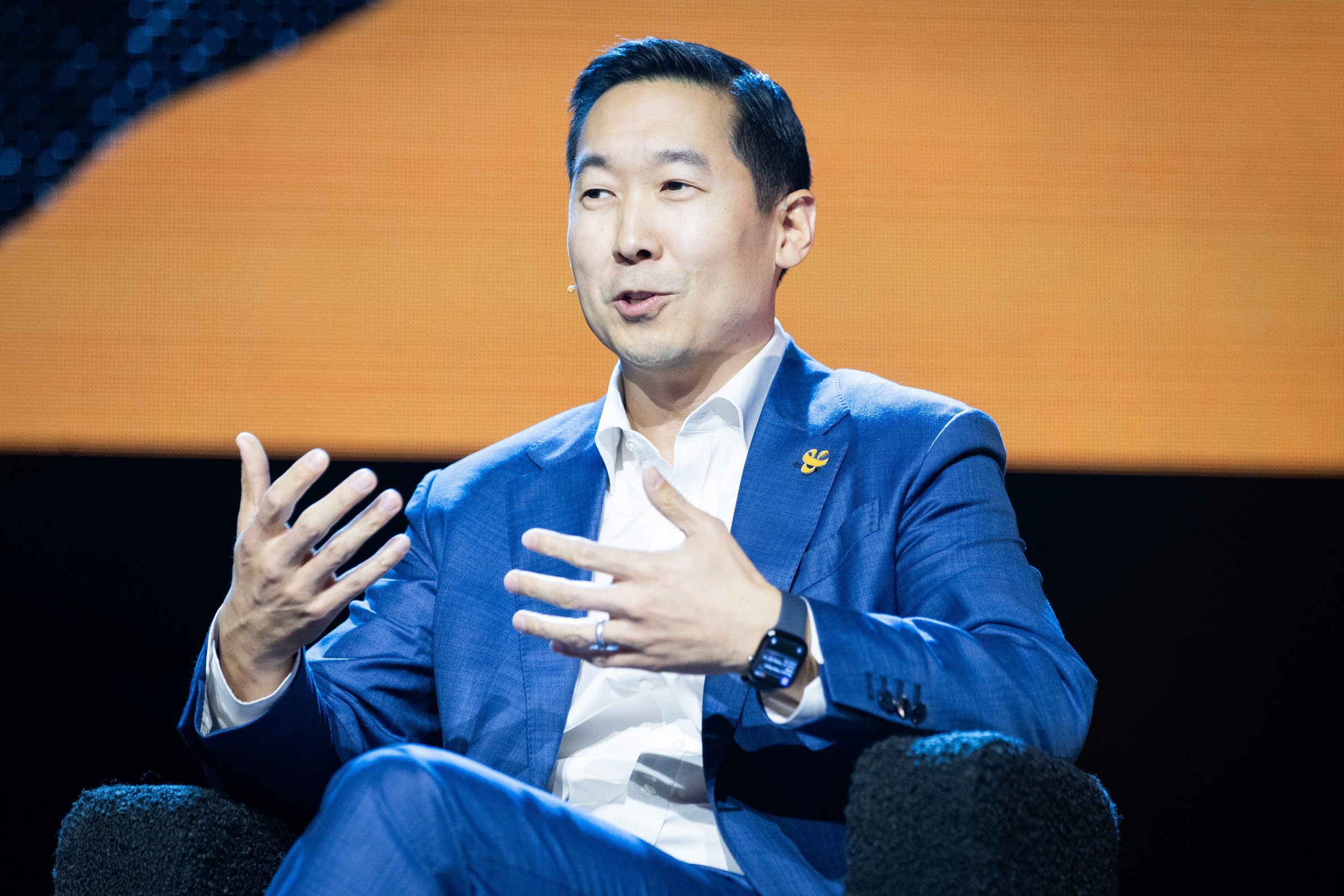
Isaac Kim, a partner at Lightspeed, which manages about $70 billion and has long had a position in the developer behind the popular Claude platform, said that while there could already be a market bubble, his advice was to “be long” on AI given the early stage of the technology.
“Two things can be true that may be seemingly inconsistent. One is that we’re in a hype cycle or we’re in an AI bubble, and the other is that we’re in the very, very early stages of this technology and where it’s disrupting,” Kim told the Sohn Hearts & Minds investment conference in New Zealand.
The unwinding of the AI trade on Thursday night was provoked by growing unease about a Democratic wave in the United States, which markets expect will put more scrutiny on the technology and the data centres that underpin it. The S&P 500 fell 4.4 per cent in its biggest fall since April last year, while the Nasdaq fell 5.5 per cent by close.
That pushed Japan’s benchmark to its worst fall in more than a year, while South Korea’s Kospi slid 8.8 per cent, triggering a circuit breaker.
The sell-off on Wall Street and across Asia came as some of Australia’s key fund managers met in Queenstown for the annual stock picking conference.
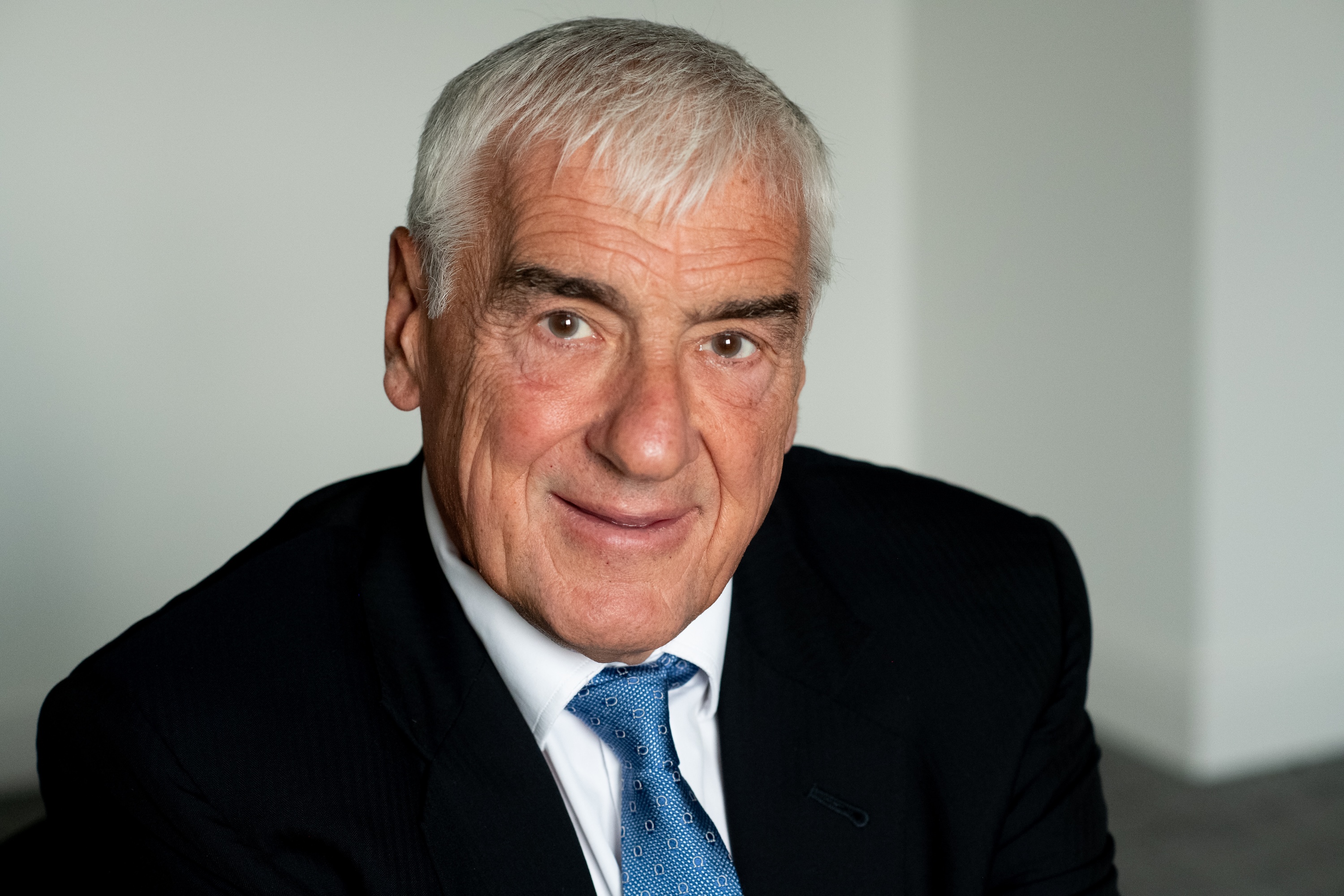
While Kim was optimistic about the AI trade, Plato Investment Management’s David Allen told the conference that there were plenty of red flags at Anthropic, which is planning to list at the end of the month.
Allen, who runs Plato’s $6 billion Global Alpha Fund, said there was plenty of appeal, including wide margins and “eye-watering” revenue growth.
But Allen said that investors should closely scrutinise the other side of the balance sheet, adding that he wasn’t sure whether Anthropic’s Nasdaq listing would be “a wonderful success or a terrible investing failure”.
The fund manager had previously alerted investors to the risks in Firmus, a data centre developer specialising in facilities that supported AI learning and processing, which called off an attempt to raise more than $7 billion and list on the ASX last month, a deal that would have valued it at $44 billion.
“The market has got to an extreme level of concentration,” said Vihari Ross, portfolio manager at the $21 billion global equities firm Antipodes on the sidelines of the conference. She noted out that the world’s 10 largest AI-related stocks accounted for 40 per cent of the global index.
“The last time we had this level of concentration was the year 2000,” she said, referring to the dotcom crash that year. The American economy, Ross added, had been driven by the spending on AI projects and investments.
“The economy and the market are actually more interlinked than what people have been paying attention to, that’s what’s been revealed here.”
Other major fund managers, however, were bullish about prospects for the AI trade, including Nvidia, the chipmaker at the centre of the industry.
John Wylie, a senior analyst at Hong Kong-based EFM Asset Management, presented Nvidia as his choice, saying the sell-off created an opportunity.
“We expect volatility, but we also expect the excess returns that AI developers are able to extract from deploying this compute will allow for patient investors to extract very significant returns,” Wylie said.
“We acknowledge that the regulatory frictions, the political frictions and some of the financing frictions are going to need to be carefully solved. There isn’t a silver bullet to those solutions,” he told the conference.
Another pitch, from Milford Asset Management analyst Andrew Curtayne, was for ASML, a Dutch manufacturer of instruments needed to produce computer chips, which was also swept up in Wall Street’s tech rout and tumbled more than 9 per cent overnight.
Curtayne told the conference that the political shift in the US had left the AI sector as the “perfect hunting ground” for investors.
“This potential data centre moratorium with the Democrats in the US is only going to make the returns higher for those that have got data centres either online or about to come online,” Curtayne said.
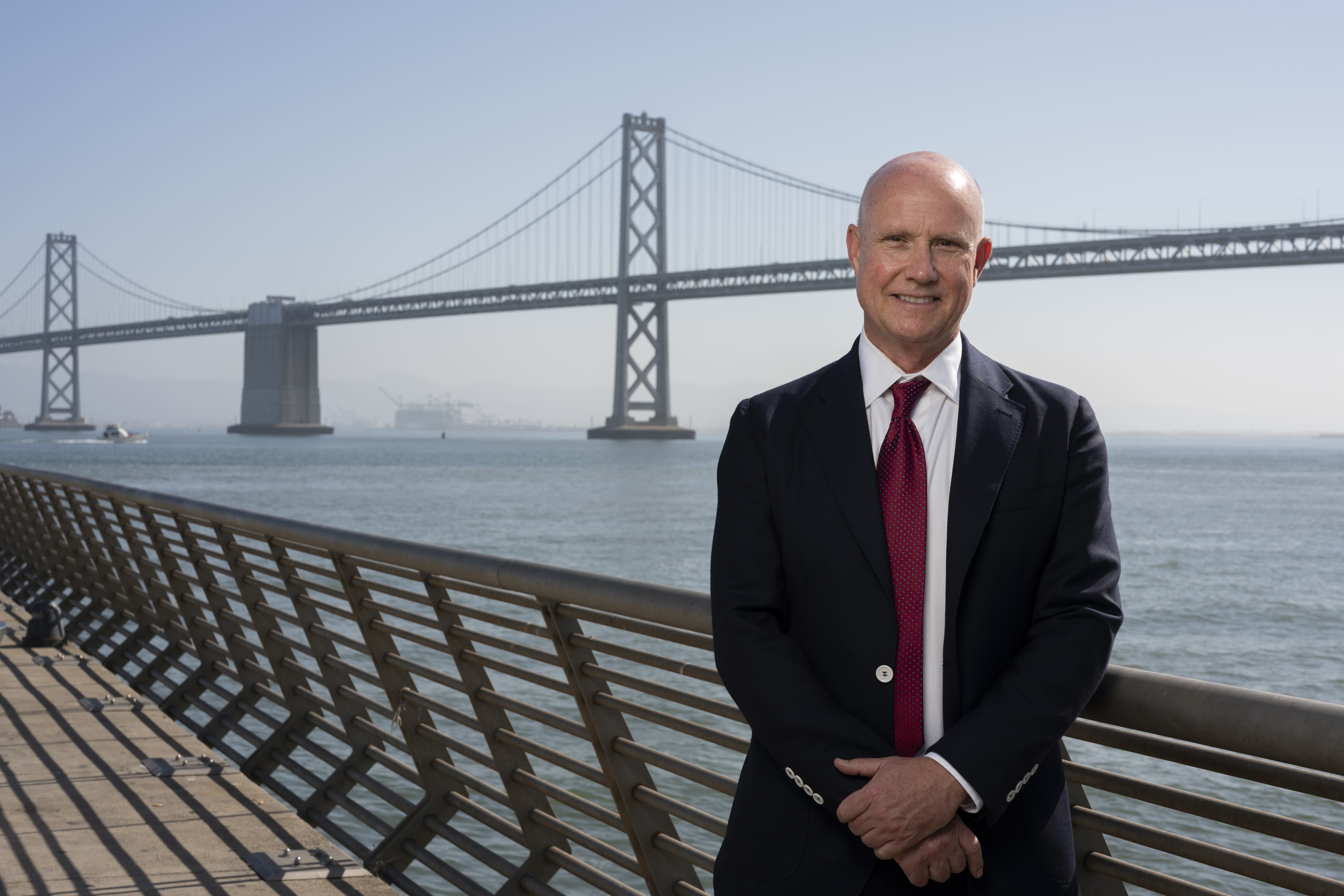
Munro Partners chief investment officer Nick Griffin, who oversees $7.6 billion in funds, said the sell-off had taken some froth out of the equity market. “It is strange to see volatility of this size, but it’s ultimately positive because you’re clearing out a lot of the excesses, and that’s a process that’s been going on for a few months now,” he said. “I’m still bullish.”
While Australia’s S&P/ASX 200 Index stood firm as investors sought the safety of the banks, telecoms businesses and supermarket retailers, the heavy concentration in AI-related stocks will hit the country’s superannuation funds, which have about a third of assets in global equities.
This article was originally posted by The Australian Financial Review here. Licensed by Copyright Agency. You must not copy this work without permission.